Advertisement
Dandruff explained: causes, myths and what really helps
18th March, 2026 06:22 PM
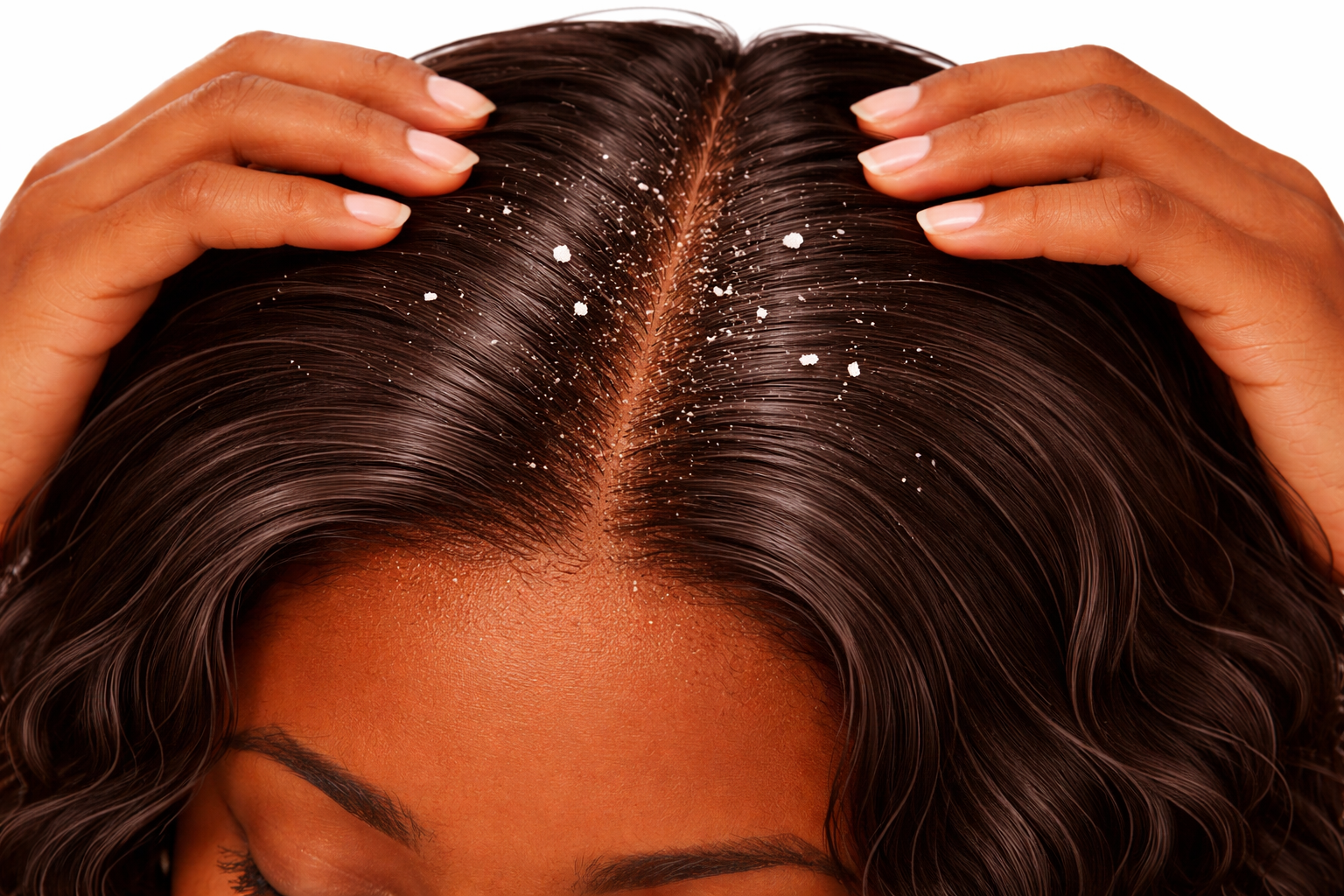
Dandruff is one of those things that almost everyone has dealt with at some point.
It does not matter your age, lifestyle or even how well you present yourself. You could be well dressed, clean, everything in place, then those small white flakes show up and ruin the moment.
Many people quietly struggle with it. You will see someone dusting their shoulders before leaving the house or choosing darker clothes just to hide it.
Yet very few people actually understand what is going on.
First things first, dandruff is not just about dirt or poor hygiene. That is one of the biggest misunderstandings.
What is really happening is that your scalp is shedding skin faster than normal. The scalp naturally renews itself, but when something irritates it, the process speeds up and the dead skin becomes visible as flakes.
As dermatologist Dr Anjali Mahto puts it, dandruff is more about how the scalp behaves than how clean your hair is. So even someone who washes their hair regularly can still have dandruff.
There are a few common reasons why this happens.
One of them is a natural yeast that lives on the scalp. Everyone has it, but in some people, it causes irritation. When that happens, the scalp reacts by shedding faster.
Then there is stress. Many people notice their dandruff gets worse during stressful periods. Weather can also play a role. Cold or very dry conditions can make the scalp more sensitive.
Hair products are another factor. Sometimes what you are using is too harsh, or it does not suit your scalp.
Hair specialist Sharon Wong often points out that scalp issues are usually a mix of internal and external factors. It is not just one thing.
Now, where most people go wrong is in how they try to fix it.
Some people start washing their hair too often, thinking it will clear the flakes. In reality, over-washing can dry out the scalp and make things worse.
Others apply oils hoping it will solve the problem. While oil can help with dryness, it can also make dandruff worse in some cases because it feeds the yeast on the scalp.
Then there are those who keep switching products every week, hoping something will work instantly. Hair and scalp do not respond that way. Constantly changing products can actually delay improvement.
What seems to work better is keeping things simple and consistent.
Using a mild anti-dandruff shampoo regularly can help calm the scalp. Not just once or twice, but as part of your routine. Also, avoid being too harsh when washing or scratching your scalp.
It also helps to pay attention to your general health. Eating well, managing stress and staying hydrated may not sound directly related, but they do affect how your body, including your scalp, behaves.
The truth is, dandruff is very normal. It is just that people do not talk about it openly. From students to working professionals, even people who look like they have everything together deal with it.
The difference is understanding it instead of guessing.
Once you realise it is about the scalp reacting and not just “dirty hair”, it becomes easier to manage. You stop chasing quick fixes and start paying attention to what actually helps.
At the end of the day, it is not about having perfect hair. It is about having a healthy scalp. And once that is in check, everything else starts to fall into place.