Advertisement
Why travellers and tourists prefer Amboseli National Park for elephant viewing
29th July, 2026 12:51 PM
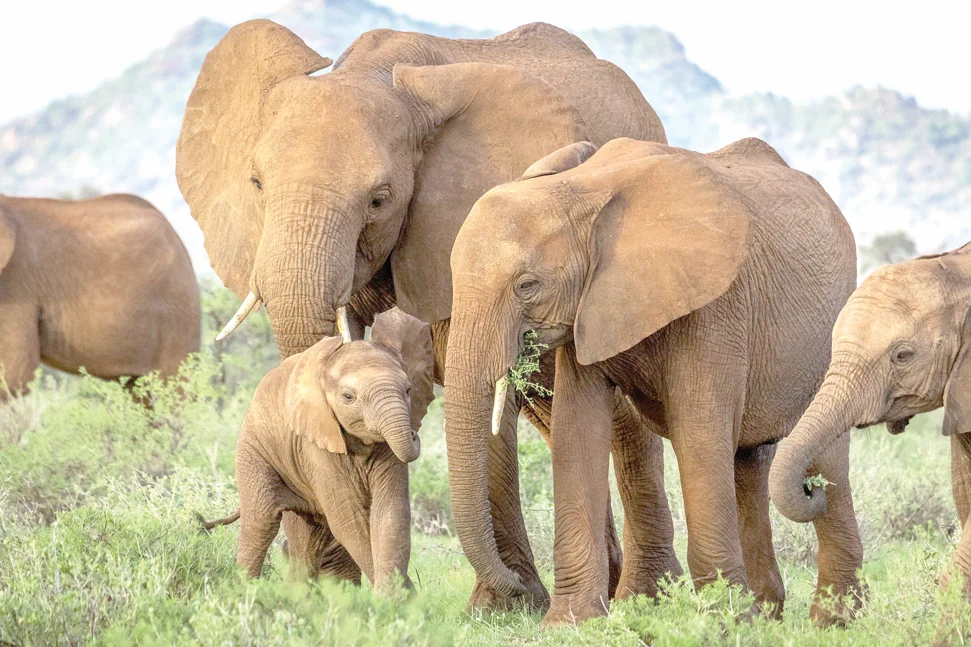
Amboseli National Park has long been regarded as one of the finest places in Africa to watch elephants in their natural habitat. Situated in Kajiado County near the Kenya-Tanzania border, the park welcomes thousands of local and international visitors every year, many of whom travel specifically to see its famous elephant herds roaming freely beneath the backdrop of Mount Kilimanjaro.
However, it has recently been overshadowed by conservation concerns following the deaths of 15 elephants in the Amboseli ecosystem. The Kenya Wildlife Service (KWS) has since launched investigations into the incident, bringing fresh attention to the importance of protecting one of Kenya’s most treasured wildlife destinations.
Large elephant herds make sightings almost certain
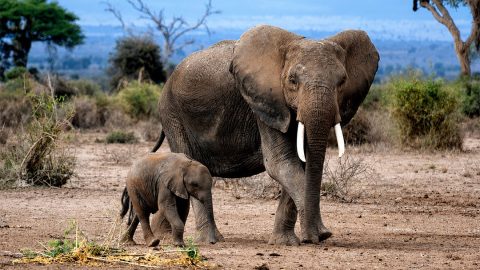
One of the biggest reasons travellers prefer Amboseli is the high likelihood of seeing elephants during a game drive. The park is home to some of Kenya’s largest free-ranging elephant herds, making it a favourite destination for first-time safari visitors, wildlife photographers, and nature lovers.
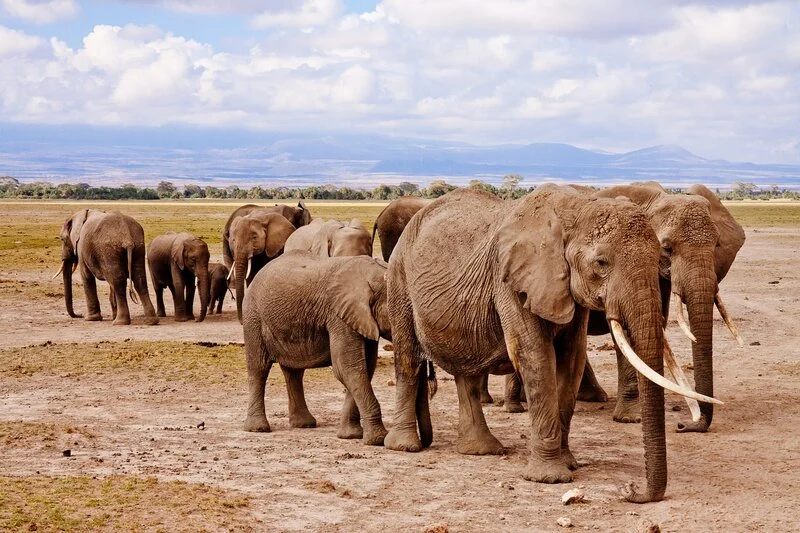
Visitors can often watch entire elephant families moving across the plains, with calves walking alongside their mothers while older bulls feed nearby. According to the Kenya Wildlife Service, Amboseli remains one of the country’s most significant elephant conservation areas, with the animals playing a crucial role in maintaining the ecosystem.
Open landscapes offer exceptional wildlife viewing
Unlike parks covered by dense forests, Amboseli’s wide grasslands allow visitors to spot wildlife from a considerable distance. The open landscape makes it easier to observe elephant families interacting naturally without thick vegetation blocking the view.
Morning and evening game drives are particularly popular because cooler temperatures encourage elephants and other animals to become more active. Research by the Amboseli Trust for Elephants has also made the park one of the best places to learn about elephant family structures and behaviour, thanks to decades of continuous study.
Mount Kilimanjaro adds to the experience
Few safari destinations can rival the scenery found in Amboseli. On clear mornings, Africa’s highest mountain rises behind the park, creating one of the continent’s most iconic wildlife views.
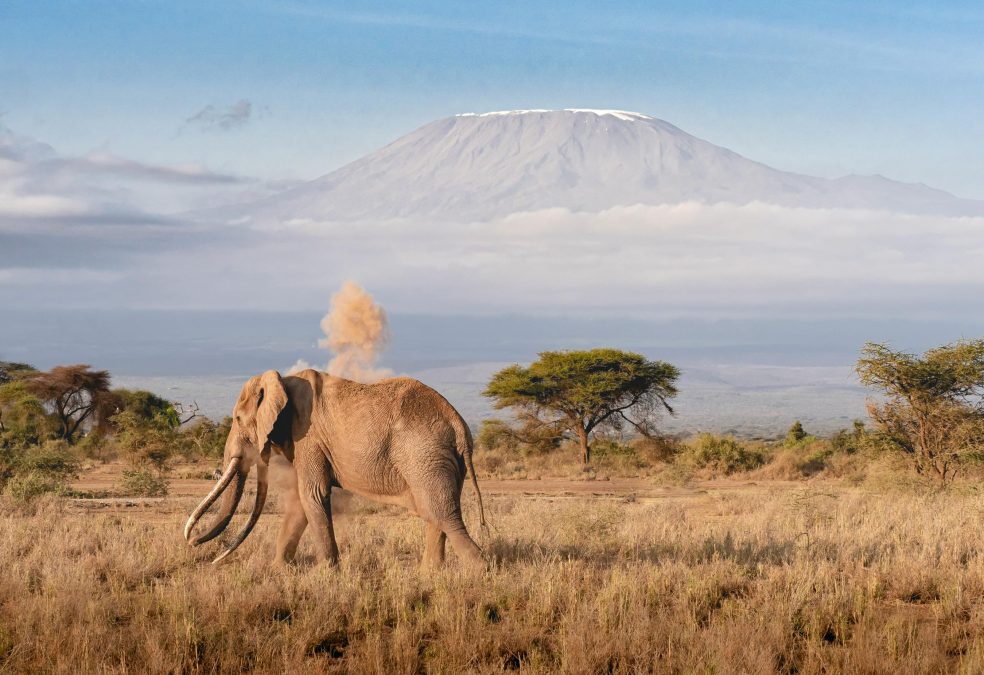
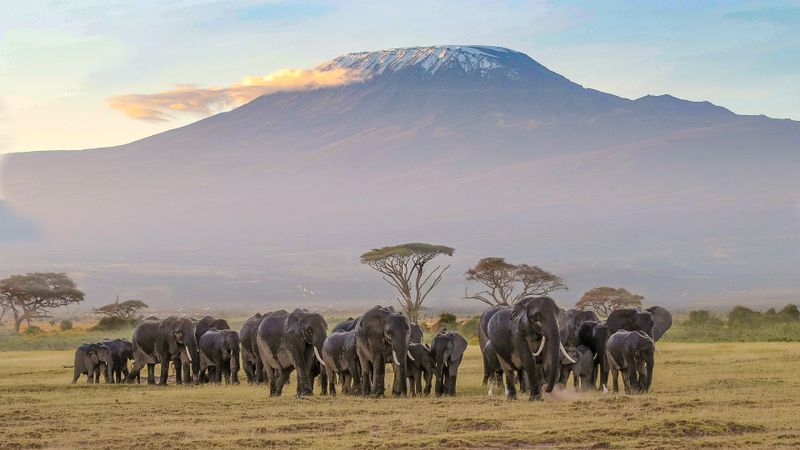
The sight of elephants crossing the plains with the snow-capped peak of Mount Kilimanjaro in the background has become one of Kenya’s most recognised tourism images. Many visitors plan sunrise game drives specifically to capture this unforgettable landscape.
Wetlands keep wildlife coming all year
Even during dry months, Amboseli’s permanent swamps continue to support wildlife because they are fed by underground water flowing from Mount Kilimanjaro.
These wetlands provide food and water for elephants, buffaloes, hippos, zebras, wildebeest and hundreds of bird species. The reliable water supply means visitors have a strong chance of seeing a variety of wildlife regardless of the season.
A destination worth protecting
Beyond offering unforgettable safari experiences, Amboseli plays an important role in wildlife conservation and Kenya’s tourism industry. Revenue generated through park entry fees helps support conservation programmes while creating jobs for guides, lodge staff, transport providers and neighbouring communities.
The recent elephant deaths have highlighted why conservation efforts remain essential in Amboseli. Preliminary findings by KWS indicate that a suspected toxic substance may have been introduced into the ecosystem.
The wildlife agency said 10 of the elephants showed similar symptoms, including partial paralysis, before collapsing and dying within one to two days. Several other carcasses had already decomposed or had been scavenged, making it difficult for investigators to determine the exact cause.
KWS has said laboratory tests are ongoing to confirm the preliminary findings and identify the source of the suspected toxin. The agency has also assured neighbouring communities that there is currently no evidence suggesting the suspected substance poses a risk to human health.