Advertisement
Why more Kenyans are spending money on experiences instead of possessions
10th July, 2026 07:54 PM
For many Kenyans, the idea of treating themselves is slowly changing. Instead of saving up for the latest phone, designer shoes or another expensive household item, more people are putting their money towards experiences that offer a break from daily routines.
A weekend trip to Naivasha, a concert ticket, a food festival, a hiking plan with friends or a wellness retreat is increasingly becoming the kind of purchase people look forward to. The value is no longer only in what can be displayed at home, but in the memories created away from it.
This shift is especially visible among young working adults who are balancing bills, family responsibilities and the pressure of keeping up with changing trends. While buying expensive items can feel rewarding, experiences often offer something different: time with friends, rest, discovery and a chance to feel present.
Travel is becoming a personal reward
Domestic travel has become one of the biggest ways Kenyans are choosing experiences. A short road trip, a coastal holiday, a visit to a conservancy or a staycation outside the city can feel more meaningful than buying an item that may lose its appeal after a few weeks.
Kenya’s tourism sector has also been benefiting from the rise in domestic travel. According to tourism figures reported in 2026, Kenya recorded about 5.2 million domestic travellers in 2025, showing that local tourism is becoming an important part of how Kenyans spend their leisure money.

Travel is no longer only viewed as something reserved for annual leave or special family occasions. For some, it has become part of a lifestyle, with people planning affordable trips around public holidays, birthdays and long weekends.
Concerts and festivals are drawing bigger crowds
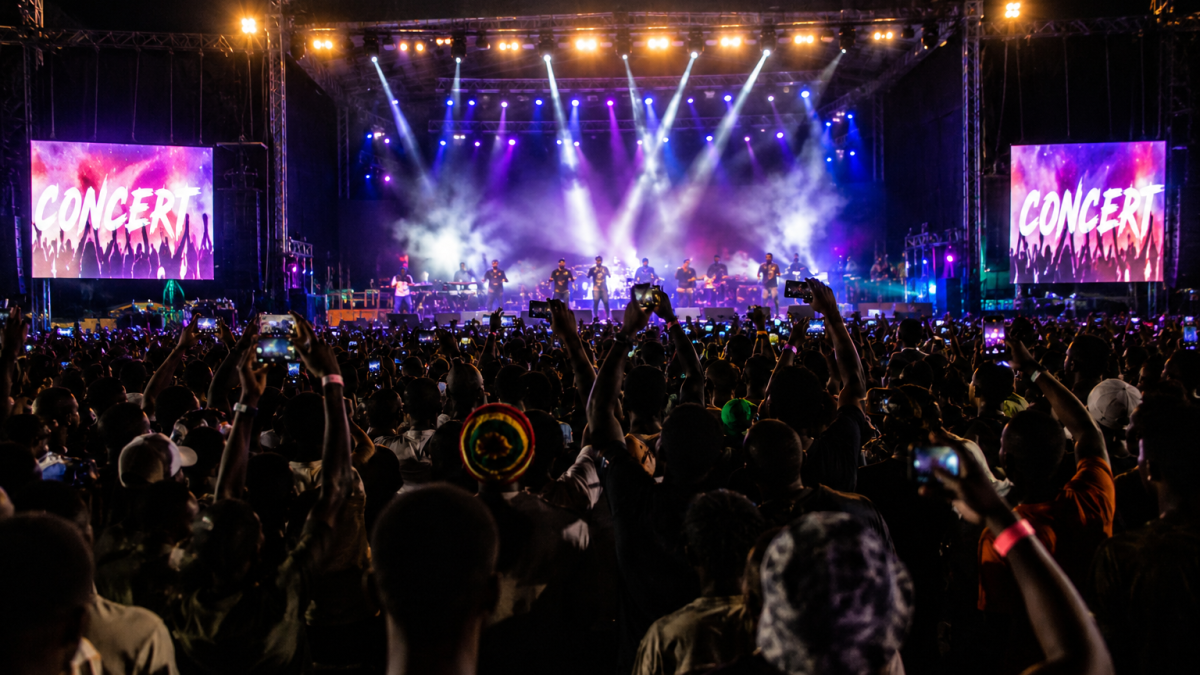
Live entertainment is also taking a larger share of people’s spending. Music concerts, cultural events and food festivals have become spaces where people can enjoy performances, try new meals and meet others with similar interests.
The appeal is not just the headline act or the food on sale. It is the atmosphere, the pictures, the conversations and the feeling of being part of something happening at that moment.
Kenya has continued to host cultural events that bring together music, food, fashion and heritage. The Kenya Tourism Board has said festivals help promote tourism by introducing visitors to culture, gastronomy and local experiences beyond the usual beach and safari trips.

Food festivals have also become popular because they offer more than a meal. They allow people to sample dishes they may not cook at home, discover small food businesses and enjoy a social outing without needing to travel far.
Wellness is becoming part of leisure
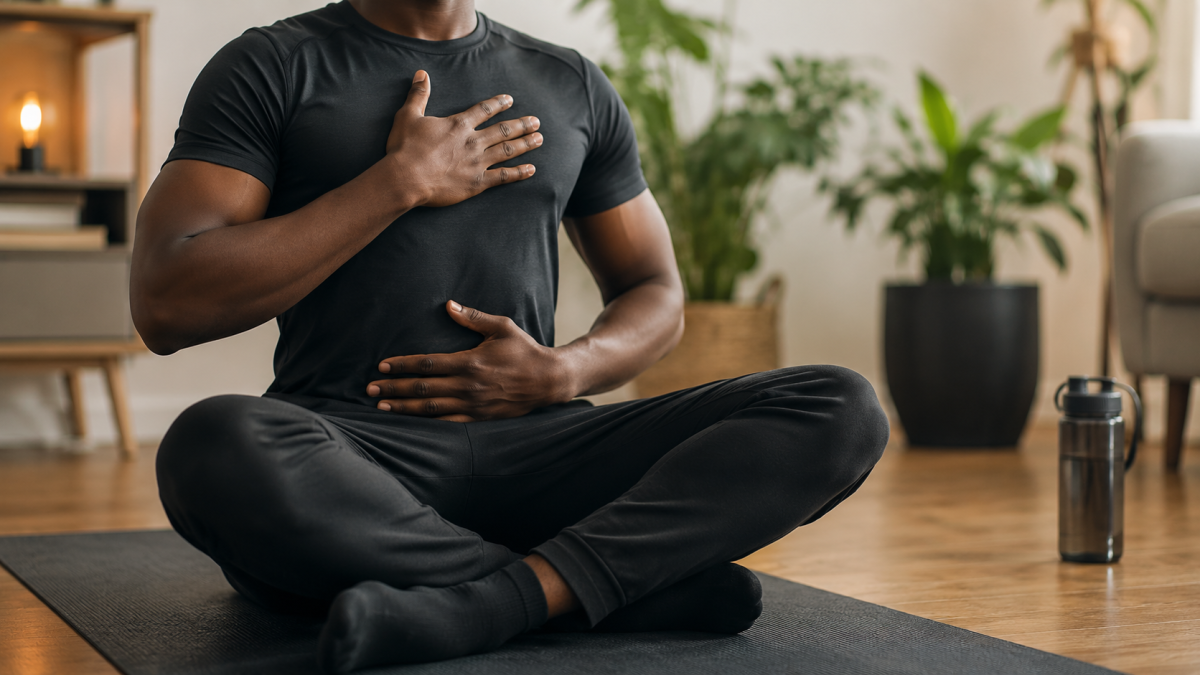
Wellness retreats, yoga sessions, spa weekends and quiet nature breaks are also attracting Kenyans looking for rest. For many people, spending on wellness is not about luxury alone. It is about stepping away from work pressure, traffic, screens and the demands of everyday life.
The Lamu Yoga and Wellbeing Festival, for example, brought together yoga, meditation, dance and sound healing sessions, showing that wellness tourism is gaining interest in Kenya. Such events are creating room for people who want travel experiences that feel calmer and more intentional.
Experiences leave a different kind of value
Expensive items can still be useful and necessary, but many Kenyans are becoming more selective about what they buy. A new gadget may eventually be replaced, but a first hike, a favourite concert or a weekend spent exploring a new town can remain part of someone’s story for years.
As spending habits continue to change, experiences are becoming less of an extra and more of a priority. For many, the goal is simple: own fewer things, but live a little more.