Advertisement
What Kenyan parents should tell children seeking work abroad
25th May, 2026 01:38 PM
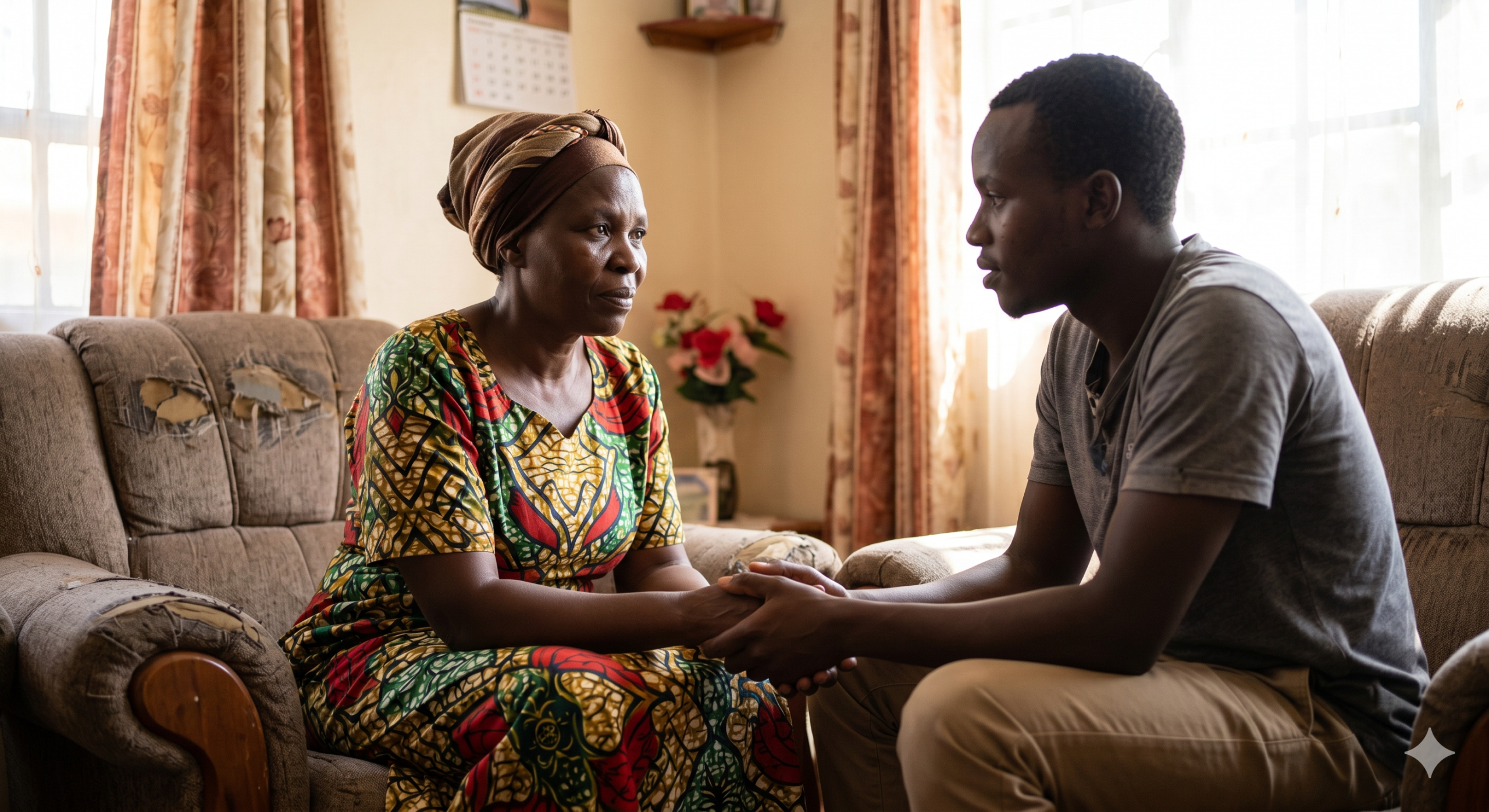
Every parent’s hope is for their child to build a better life.
So when a son or daughter announces they have found a job abroad in the Gulf, in Southeast Asia, in Europe, the first instinct is to celebrate. But for far too many Kenyan families, that moment of pride has quietly turned into months of silence, debt, and grief.
Experts and government officials are increasingly pointing to one gap in the fight against overseas job fraud: the conversation that simply never happened at home.
A 2025 peer-reviewed study published in Frontiers in Human Dynamics, drawing on nearly two decades of evidence on labour trafficking, identified “informal recruitment networks” as the leading pathway through which migrants fall into exploitation, meaning the danger most often begins not at the destination, but at the point of recruitment.
Parents who understand this are already ahead.
The red flags your child needs to hear from you
Fraudulent recruiters are sophisticated. They build polished websites, run WhatsApp groups, and quote salaries that sound achievable.
The 78 Kenyans rescued from cybercrime compounds in Myanmar in January 2025 had each been promised hotel employment in Thailand.
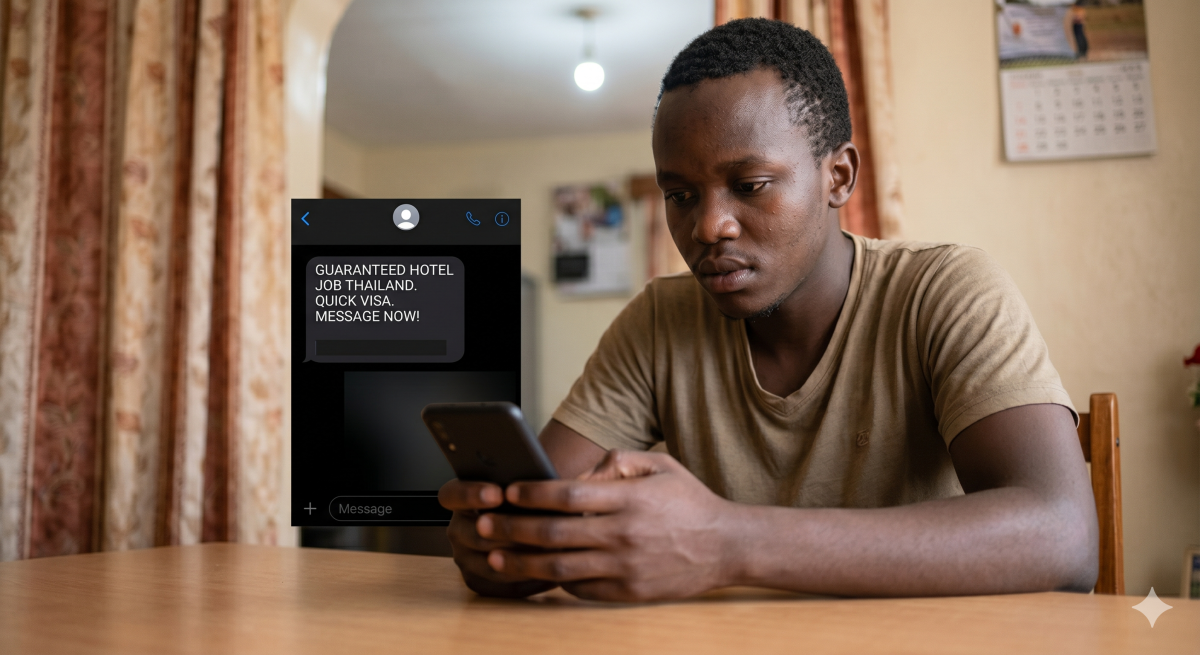
Tell your child the red flags in plain terms: any recruiter who asks them to pay for their own visa, airfare, or processing fees is operating illegally – the National Employment Authority prohibits fees charged to workers.
A job offer that arrives through a personal contact on social media, rather than through an agency on the NEA’s verified public list, deserves heavy scrutiny.
An offer that comes with pressure to decide quickly, or that discourages the applicant from consulting family, is a manipulation tactic, not an employment process.
The agreements to make before they board
Warn your child that knowing the red flags is not enough. Verification steps matter just as much.
Before signing any contract, they should confirm the recruiting agency appears on the NEA’s licensed list at nea.go.ke.
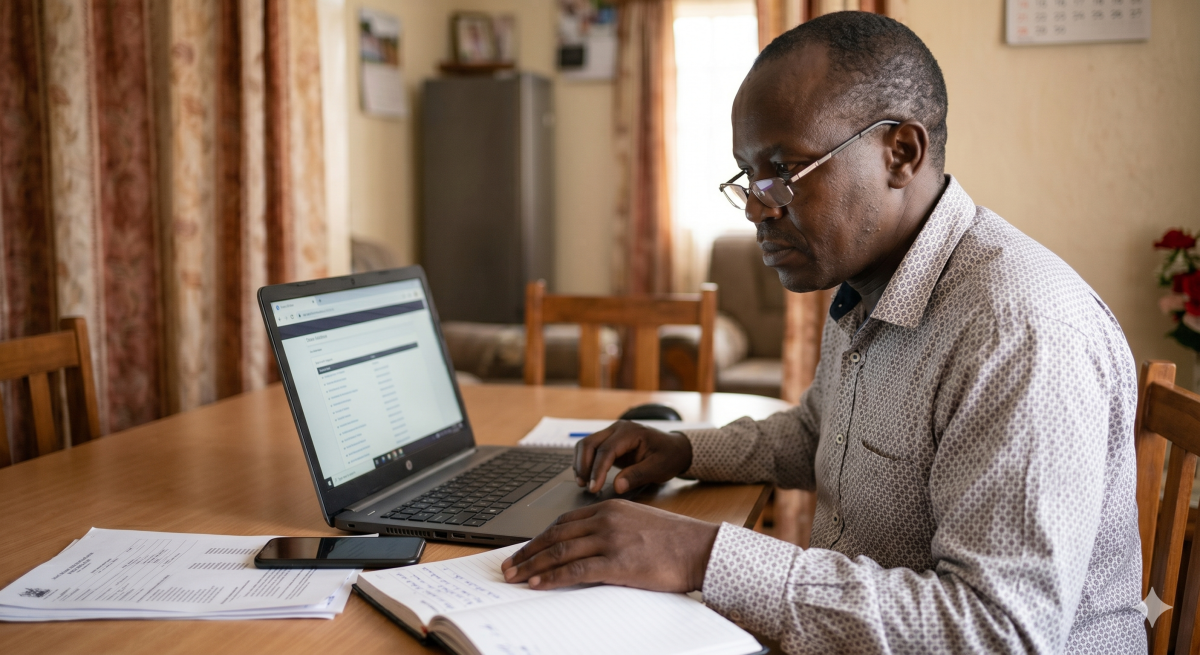
Once a destination is confirmed, they should register with the Kenyan Embassy or High Commission in that country – registration is free, and it dramatically improves the government’s ability to assist or evacuate them if things go wrong.
Establish a fixed check-in schedule: a video or voice call at an agreed time each week, and a private code phrase that signals distress without alerting an employer or a captor.
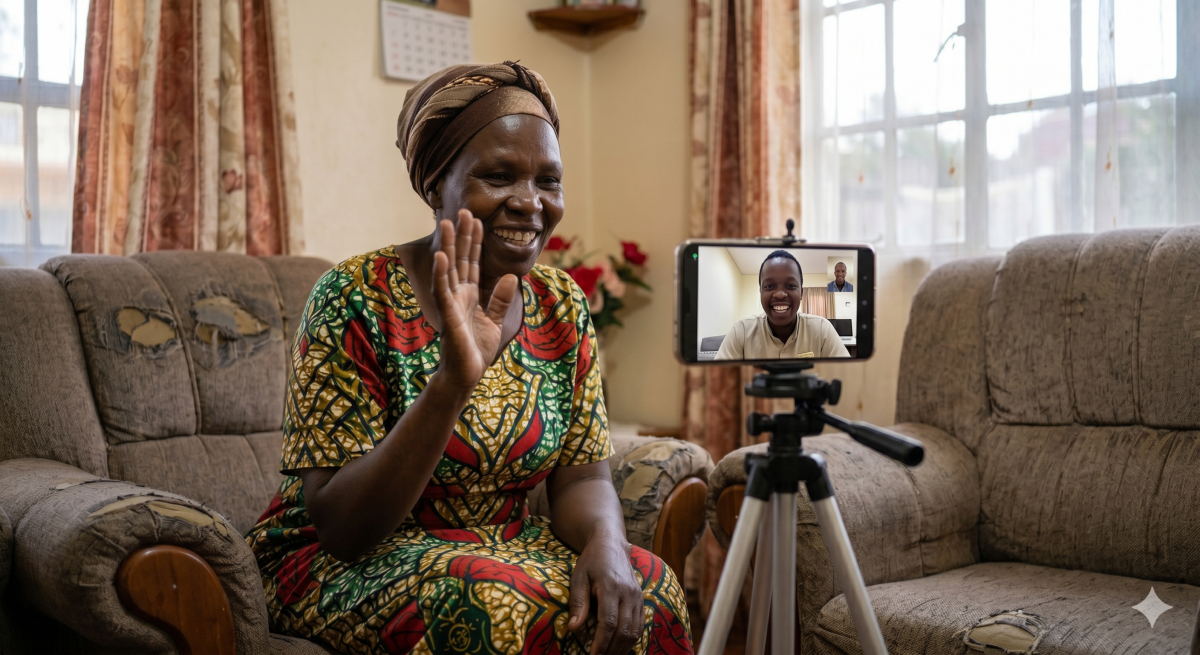
Most importantly, make sure you hold a full physical address for where they will be staying, not just a mobile number.
None of this is about fear. It is about love being practical. The parent who has this conversation is not the one who worries most, they are the one who prepares most.