Advertisement
How KWS uses ear notching to track and protect Kenya’s wild rhinos
02nd September, 2026 07:04 PM
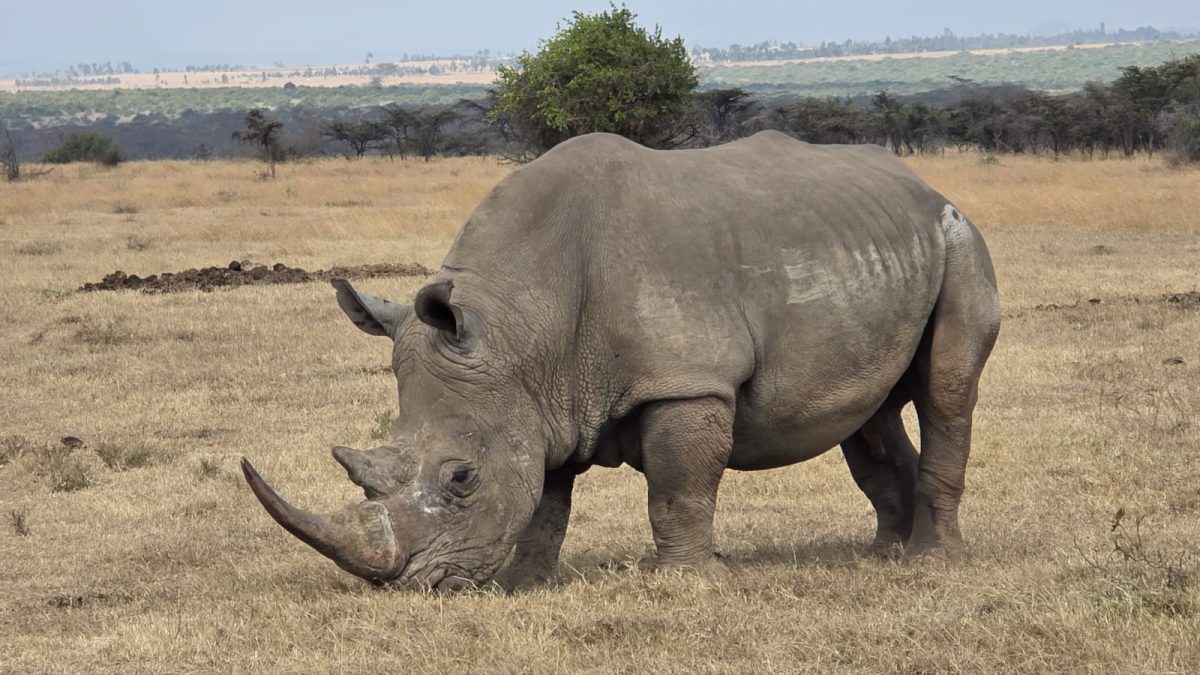
KWS revealed the science behind wildlife tracking, explaining how field teams give each animal a unique mark to track its movements and health.
In a statement published on X on September 2, 2026, the agency explained that “each rhino is given a unique notch pattern that helps wildlife teams identify and monitor individual animals, track their movements and keep tabs on their wellbeing.”
This field exercise supports the KWS’ Rhino Conservation Strategy, which aims for at least 80 per cent of Kenya’s rhino population to be identifiable through ear notching.
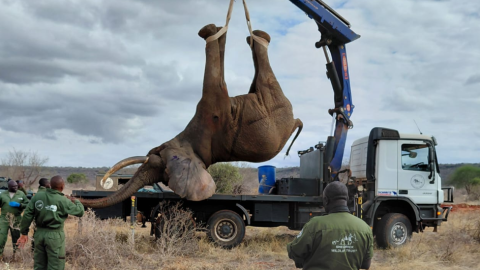
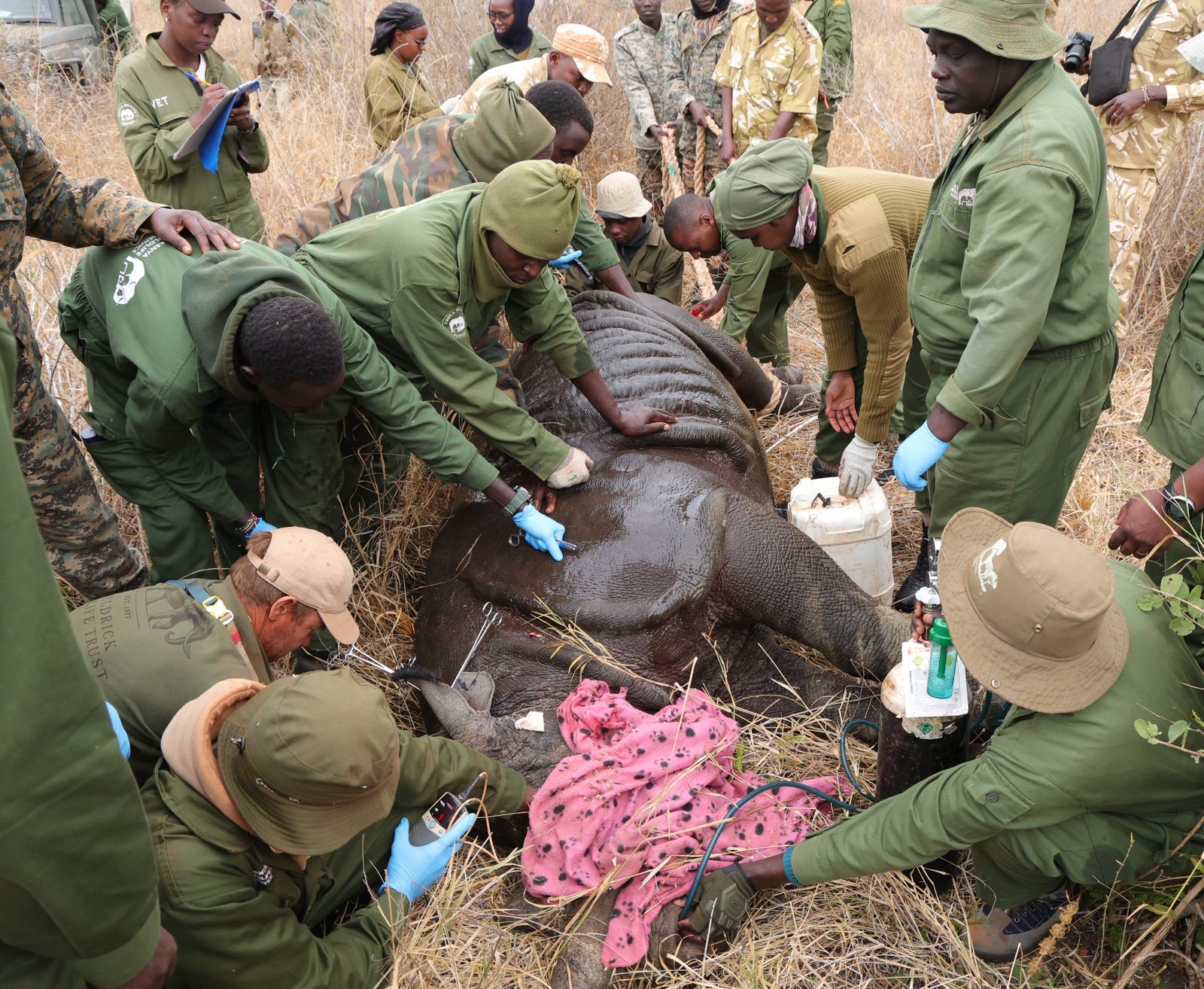
During operations, KWS teams combine air and ground support. Helicopters locate the rhinos in dense brush, allowing vets to safely dart and immobilise them.
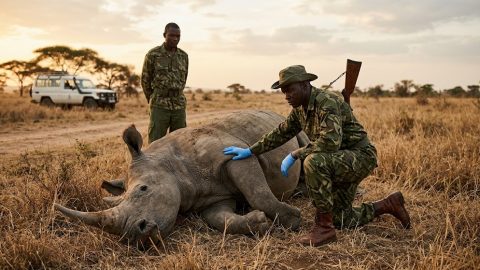
Ground teams in green overalls routinely pour water over the sleeping giants to keep them cool while conducting medical checks.
Why unique markings matter
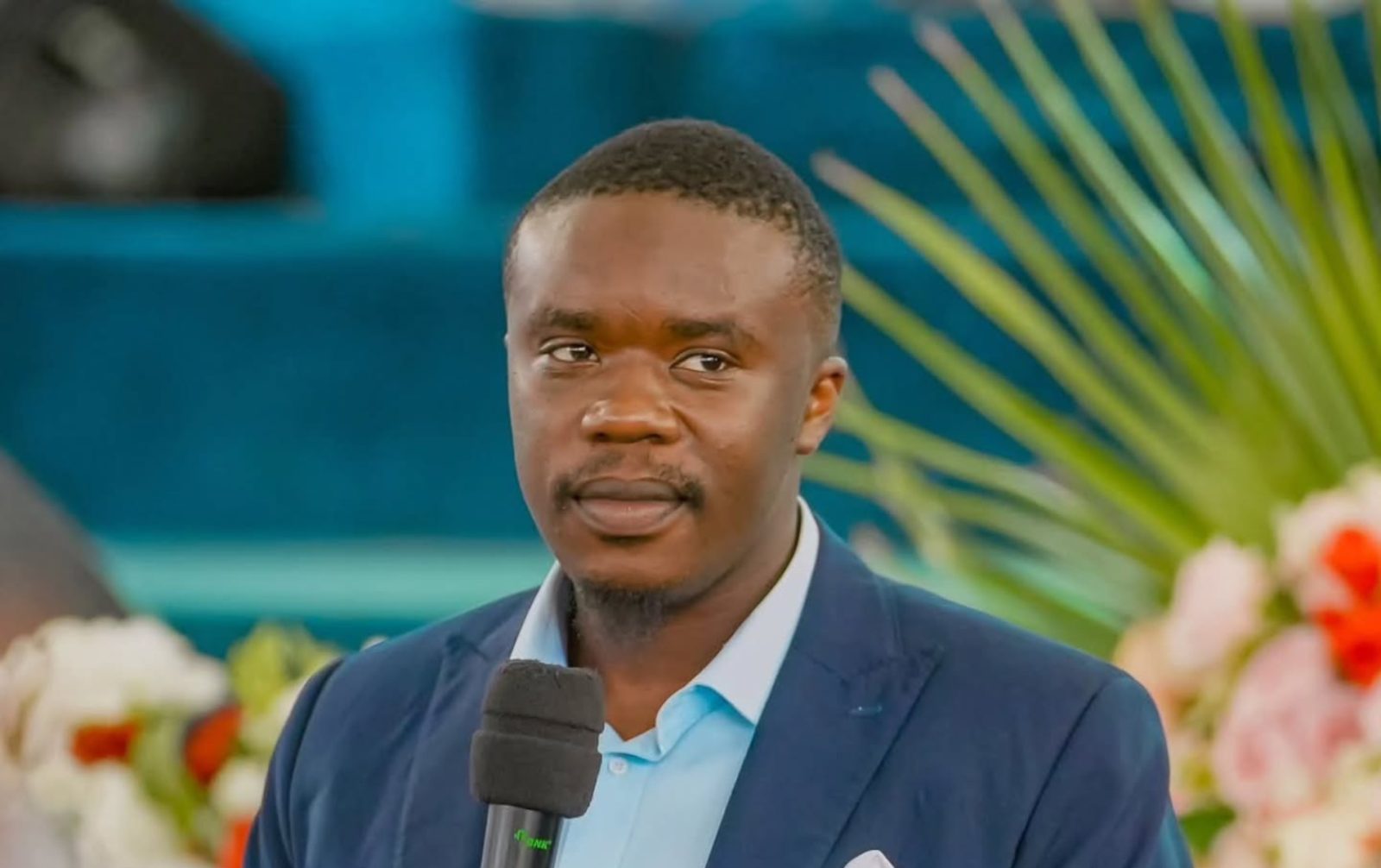
Explaining why the procedure is essential, Dr. Dominic Mijele, Assistant Director of Vet and Capture Services at KWS, noted that unmarked rhinos look almost identical in the bush.
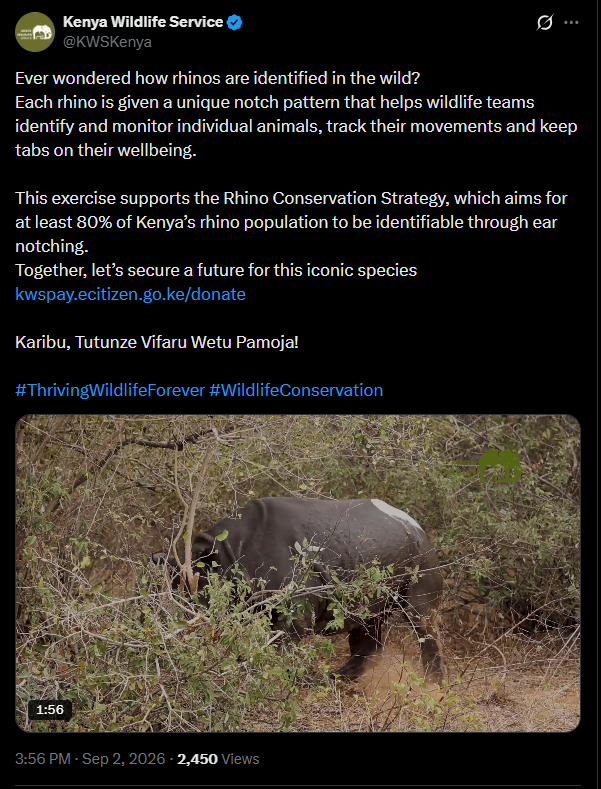
“Without the ear notches, all the rhinos might look the same to people monitoring,” Dr. Mijele said. “So, you will not know whether you have seen which one or which one. So, you might end up reporting one rhino twice or missing others. But once they have their individual marks, it is easy to say this is so-and-so with 100% accuracy.”
Video footage shows veterinary officers using surgical instruments to make precise V-shaped cuts on the ear flap before applying antiseptic spray to prevent infection.
Vets also apply temporary white paint on the rhino’s back so aerial teams do not dart or count the same animal twice during the operation.
Counting every rhino in the wild
Beyond marking untagged animals, the exercise doubles as a field census.
Dr. Mijele explained that teams observe every rhino encountered in the wild, including those already notched in previous years.
“Even the ones that had been ear-notched before that we don’t target, we still spot them and take note of where they are, whether they are healthy or not,” Dr. Mijele stated.
KWS appealed for public support to protect the endangered animals, writing, “Together, let’s secure a future for this iconic species,” alongside a donation link.