What happens when you leave power adapters plugged in
By Dan Kauna, August 5, 2026Unplugging a smartphone or laptop after it reaches full charge is standard routine for most people. However, leaving the charger plugged into a live wall socket remains a widespread habit.
It seems completely harmless because the device is disconnected and no longer charging. In reality, that small plastic adapter connected to the wall continues drawing electricity as long as the socket switch stays turned on.
How idle chargers waste electricity in your home
Modern power adapters do more than deliver power through a cord. They contain small internal circuits designed to lower high-voltage alternating current from household sockets into low-voltage direct current suitable for sensitive electronics.
When an adapter stays plugged into an active outlet, its inner circuit remains complete. This means current continuously flows through the internal components, even without a phone attached to the other end.
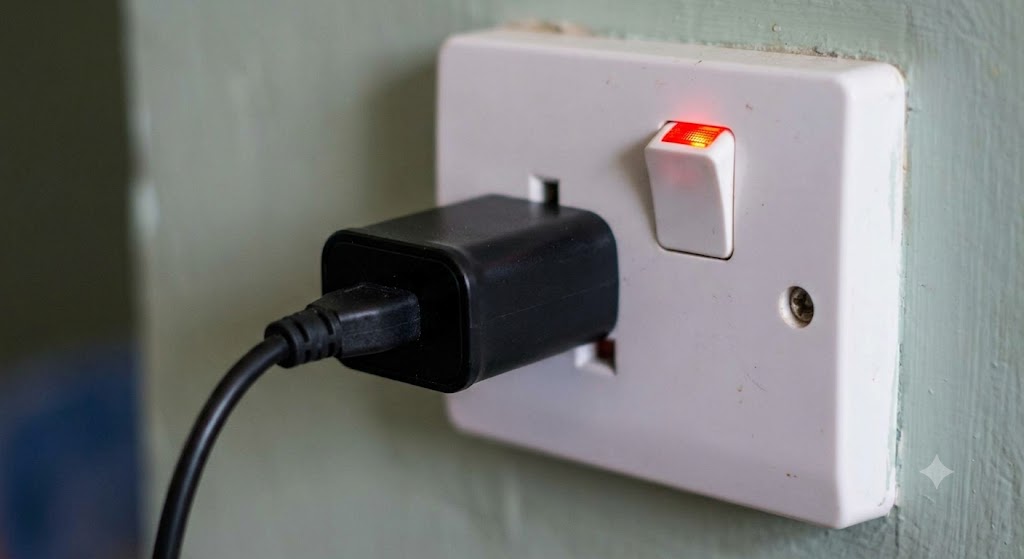
This invisible electricity drain is known as standby power or energy leakage. Modern phone chargers draw a small fraction of a Watt while idling, but generic or older power bricks consume significantly more energy.
Research on household standby power published by scientists at the Lawrence Berkeley National Laboratory shows that “standby power is currently estimated to account for about 3 to 10 percent of home and office electricity use” across developed regions.
While a single idle charger might only add Ksh150 or Ksh300 to an annual electricity bill, the total waste grows quickly when several adapters stay plugged in across a home day and night.
Protecting electronics and cutting down power waste
Financial loss is only one part of the issue. Keeping live current running through an idle power brick exposes internal electronic parts to continuous heat and operational strain.
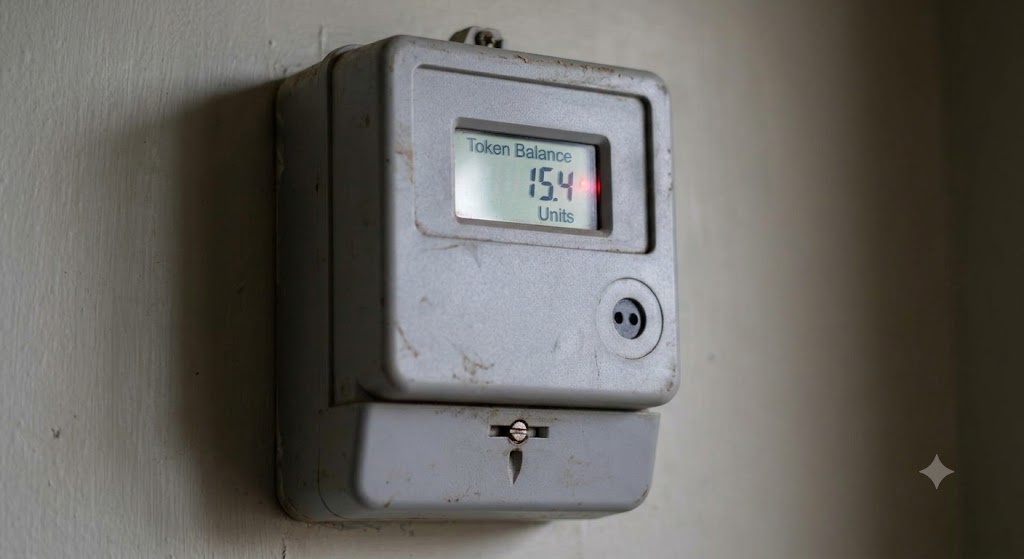
In Kenya, power supply frequently experiences voltage fluctuations and unexpected power surges. An adapter left switched on without a load is constantly vulnerable to internal damage, reducing its overall lifespan and increasing the risk of short circuits.
Flipping off the switch at the wall socket breaks the electrical circuit immediately. This simple habit stops standby power draw, shields chargers from voltage spikes, and ensures adapters remain safe and reliable for longer.
Making it a routine to switch off wall outlets across the home offers an easy way to preserve everyday electronics and cut unnecessary household power waste.