Advertisement
How oil refineries turn crude oil into petrol, diesel and jet fuel
30th September, 2026 11:30 AM

The groundbreaking on September 30, 2026, for the Ksh2 trillion Dangote East Africa Refinery in Lamu has turned public focus toward petroleum refining.
Designed to process 700,000 barrels of crude oil every day, the facility will transform raw underground oil into the fuels powering daily transport.
Raw crude oil straight from the soil is a thick, dark liquid that cannot run a car engine or power a generator. It is a natural mixture of light and heavy oil compounds.
To turn this raw liquid into useful products, refineries rely on a basic physical rule: different liquids boil and cool back down at different temperatures.
Turning heat into clear fuels
Refining starts inside a furnace where crude oil is heated to around 400 degrees Celsius until most of it turns into hot gas. This vapour flows into the bottom of a tall steel tower known as a distillation column.
Inside the tower, the temperature is hot at the bottom and grows cooler towards the top. As the rising gas climbs higher, it cools down and turns back into liquid.
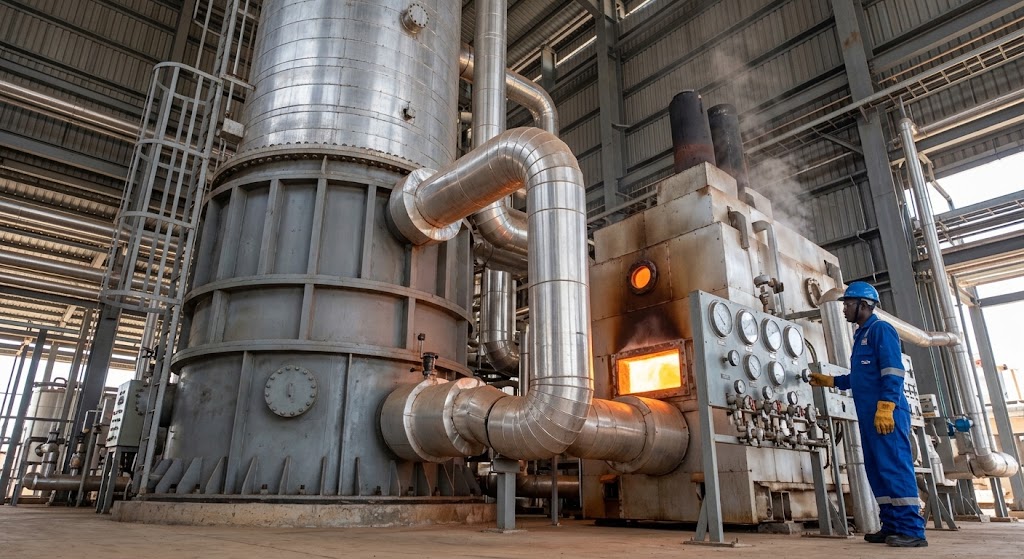
Heavy compounds cool quickly near the hot bottom, while lighter ones stay as gas longer and rise higher before cooling.
Trays placed at different levels inside the tower gather these separate liquids, pulling out distinct fuels at different heights. Heavy fuel oil collects near the bottom floor.
Further up, diesel condenses at warm temperatures, followed by kerosene, which forms the base for jet fuel. Petrol, being much lighter, rises near the cool top before turning back into liquid.
Why one raw liquid creates many products
Every fuel component serves a unique purpose because of its weight and boiling point.
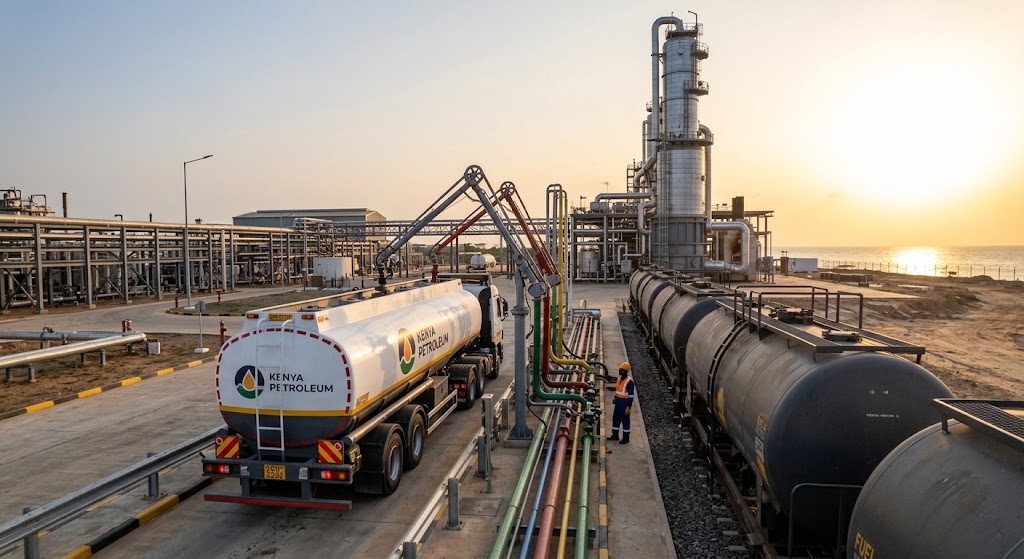
Peer-reviewed research published in the journal Nuclear Technology explains that distillation is “the primary process used to separate hydrocarbon mixtures into gasoline, diesel, jet fuel, and other mixtures.”
Once these raw streams leave the main tower, they undergo final cleaning to remove extra impurities like sulphur. This ensures petrol burns smoothly in cars, diesel powers heavy trucks without clogging engines, and jet fuel handles the freezing conditions of high altitudes.
Through this simple sequence of heating, separating and cooling, a single barrel of dark crude oil yields the different products keeping everyday transport moving.