Advertisement
Aliko Dangote: 5 fascinating facts about Africa’s richest man who is bringing his refinery to Lamu
30th September, 2026 07:36 AM
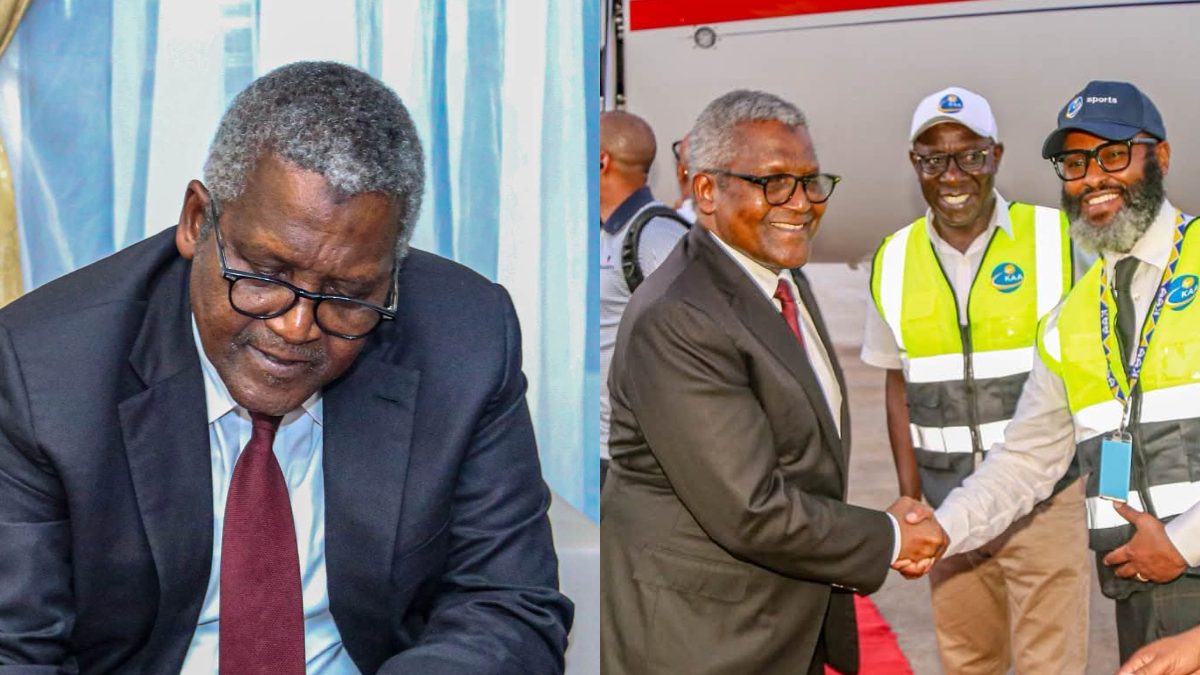
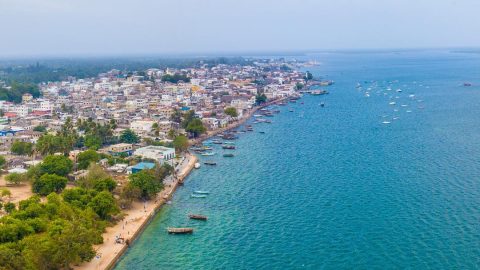
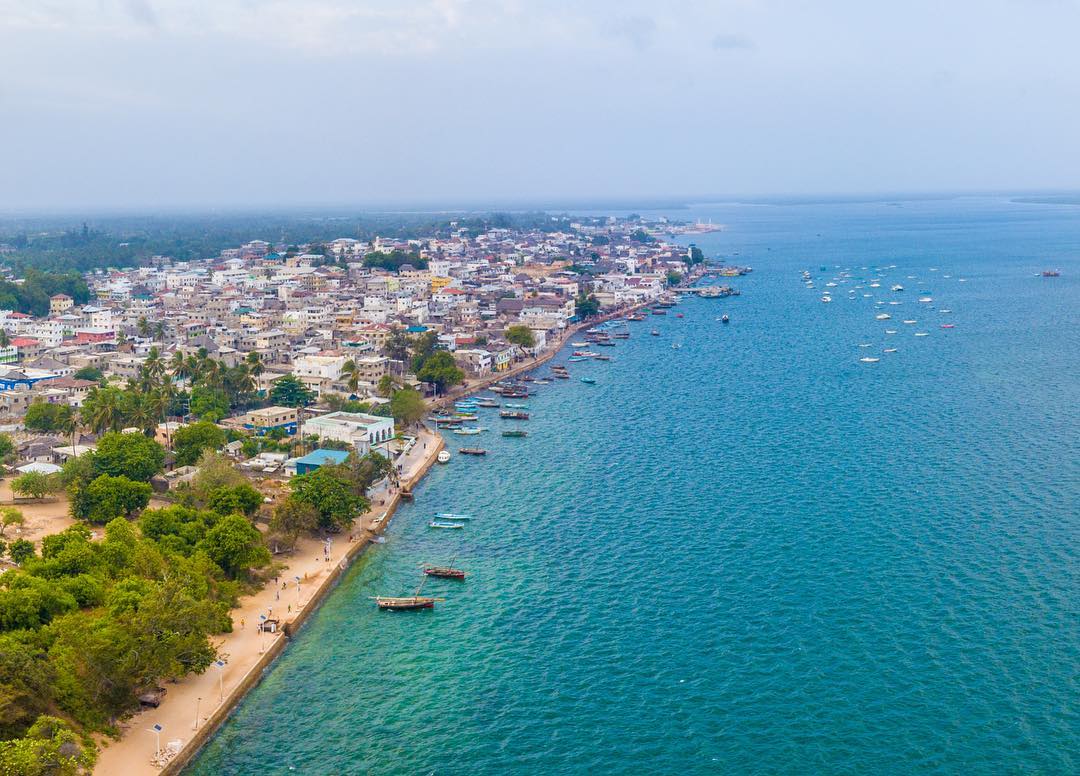
Aliko Dangote, the Nigerian billionaire behind one of Africa’s largest business empires, is currently at the centre of attention in Kenya as he prepares to expand his vast industrial footprint into the country with a multibillion-shilling oil refinery in Lamu.
The facility is expected to supply Kenya and neighbouring countries, with construction officially scheduled to begin on Wednesday, September 30, 2026.
The project, estimated at about Ksh2 trillion, is expected to take up to three years to complete and would become Dangote Group’s biggest refining investment outside Nigeria. It has, however, already attracted legal challenges from residents of Chandavai in Lamu who have raised concerns about land acquisition, displacement, compensation and resettlement.
As Kenyans follow the billionaire’s latest venture, here are five fascinating things about the man behind the project that many may not know.
1. He once withdrew Ksh1.30B just to convince himself he was wealthy
For a man whose fortune has for years been measured in billions of dollars, Aliko Dangote has recalled an extraordinary moment when he wanted to physically see what his immense wealth actually looked like.
During a 2019 conversation with philanthropist Mo Ibrahim at the Ibrahim Governance Weekend in Abidjan, Dangote explained that after accumulating vast sums, the figures appearing on his financial statements had begun to feel increasingly abstract.
He said that after achieving his first million dollars, he later realised he had accumulated much more, describing the figures as simply “written numbers”.
Dangote then decided to test the reality of his wealth in the most literal way possible.
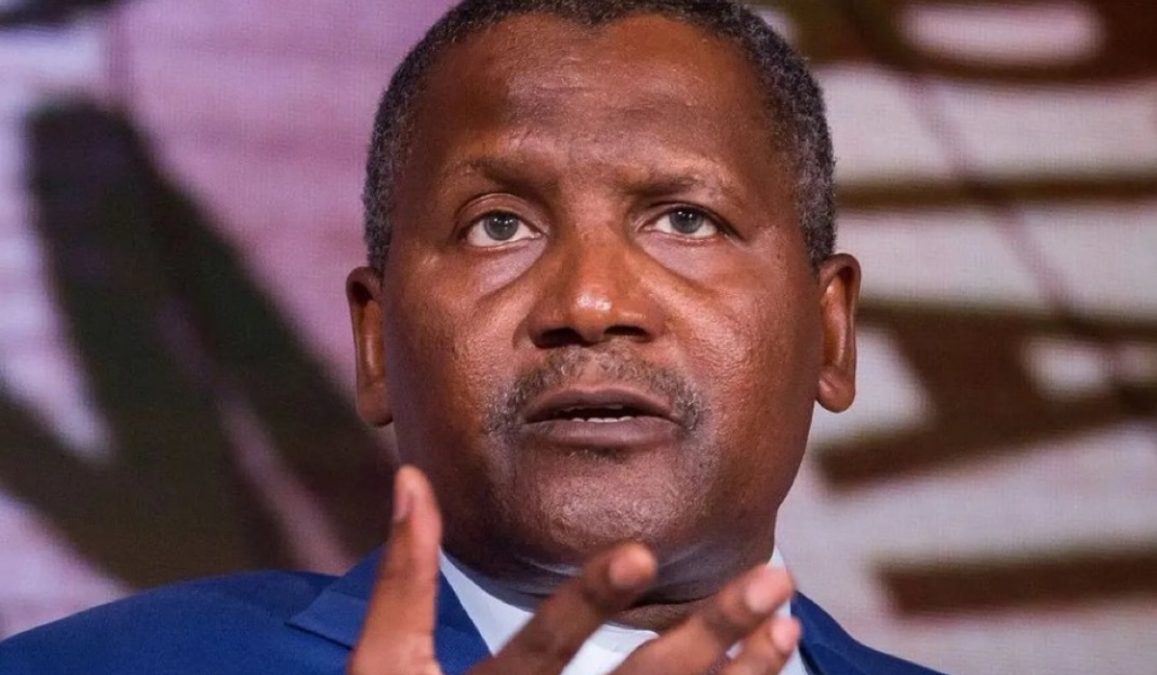
He drove himself to a bank, wrote a cheque and withdrew $10 million in cash, an amount that would be worth approximately Ksh1.2976 billion using the Central Bank of Kenya’s September 29, 2026 exchange rate of Ksh129.76 to the dollar.
The billionaire said he placed the huge sum in the boot of his vehicle before taking it home, where he opened the cash and looked at it.
2. He says he gave his father’s inheritance to charity
Dangote was born into a wealthy and influential business family in Kano, Nigeria, with the Dantata name on his maternal side carrying a particularly formidable commercial legacy.
His maternal great-grandfather, Alhassan Dantata, was regarded as one of the wealthiest men in West Africa during his lifetime.
Yet Dangote has repeatedly emphasised that he did not build his fortune by relying on an inheritance from his father.
His father died in 1965, when Dangote was only eight years old. Speaking to PBS, Dangote acknowledged that his father left assets to him but said he later gave what he inherited to charity.
“I did not inherit any money from my father. I built everything from scratch to where I am,” he said, explaining that whatever assets he inherited had subsequently been donated to charitable causes.
His early business journey instead involved support from his extended family.
In 1977, at the age of 20, Dangote began his commercial career with financing from his family. Accounts of the period differ on whether the initial loan came directly from his uncle or through his maternal grandfather, but contemporary profiles consistently trace the beginning of his business journey to a family-backed loan that enabled him to trade commodities.
He began by trading commodities before gradually moving into large-scale manufacturing.
That transition eventually produced the industrial empire that now spans cement, sugar, fertiliser, petrochemicals, oil refining and other sectors across Africa.
3. Despite his billions, he says he does not own a home outside Nigeria
Dangote’s lifestyle is another aspect of his story that contrasts sharply with the image often associated with billionaires.
In a 2017 Bloomberg interview, he said he did not own a home outside Nigeria and preferred staying in hotels when travelling abroad.
He described himself as someone who does not like throwing money away and said much of his spending goes towards charitable causes rather than extravagant personal possessions.
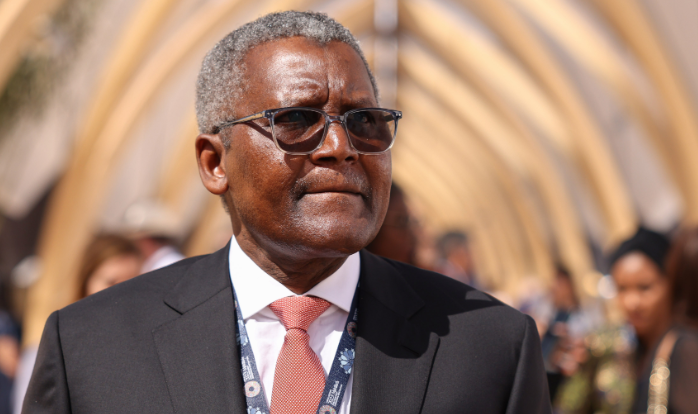
He also revealed that he sometimes drives himself around Lagos at weekends, sending his driver away to rest.
For someone whose business empire spans several African countries and whose wealth places him among the world’s richest individuals, Dangote has portrayed his personal lifestyle as relatively restrained.
“I don’t have any home outside Nigeria. I stay in hotels,” he said, explaining that he preferred a simple lifestyle.
He has also spoken about remaining connected to people he knew before becoming a billionaire, saying he still visits ordinary friends he grew up with.
The picture he has presented is therefore markedly different from the stereotypical billionaire lifestyle of multiple overseas mansions, yachts and permanent luxury residences.
4. He has had frightening encounters in the air — including one that claimed his brother
Dangote’s life has also been marked by several encounters with aviation accidents and emergencies.
Accounts of his early life report that in 1983, one of his aircraft crashed-landed in London, with Dangote surviving while his pilot suffered severe injuries. Another widely reported incident occurred years later when an aircraft carrying Dangote developed a serious engine problem while flying from South Africa towards Nigeria.
Dangote later recalled the frightening experience, saying the aircraft was vibrating after the engine developed problems while crossing Angolan airspace. The aircraft ultimately made an emergency landing safely.
But aviation tragedy also struck his family. In January 1996, Dangote’s younger brother Bello was among those killed when a Nigerian Air Force Falcon jet carrying Ibrahim Abacha, son of then military ruler Sani Abacha, crashed near Kano.
The crash killed several people aboard the aircraft and became one of the country’s notable aviation tragedies of that period.
5. He is a passionate Arsenal fan who has openly wanted to buy the club
Away from cement, oil, fertiliser and billion-dollar industrial projects, Dangote has a longstanding passion for football.
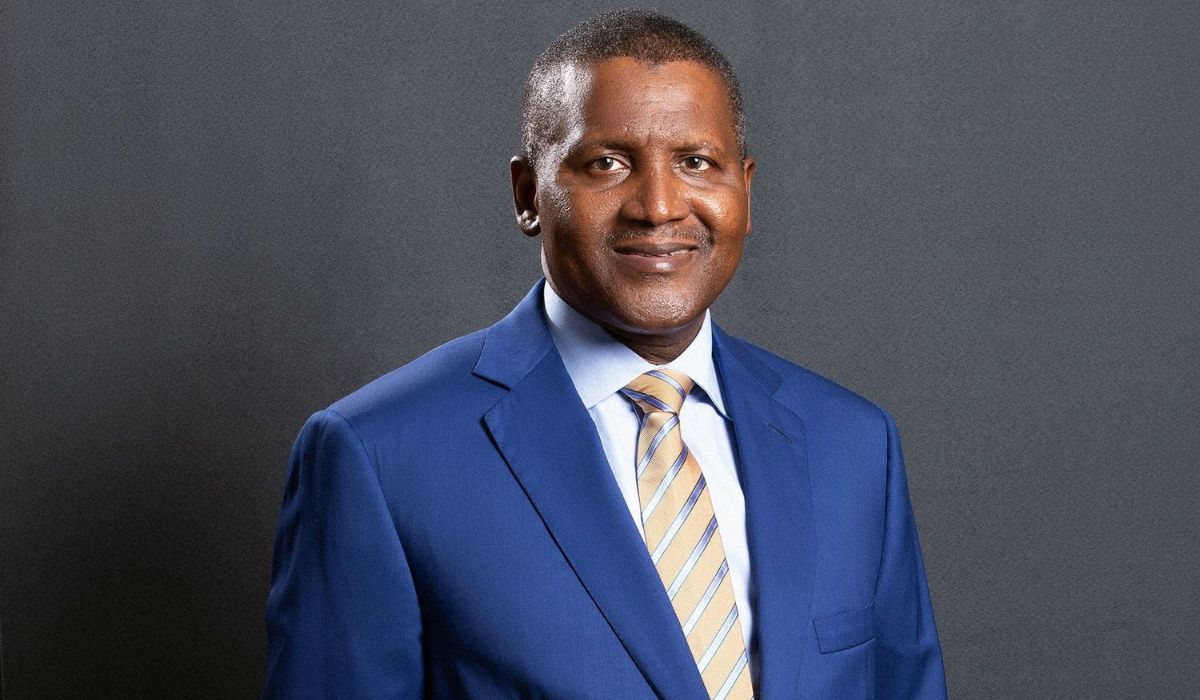
In a 2017 Bloomberg interview, Dangote was asked whether Arsenal remained on his wish list.
His answer was unequivocal: yes. But he linked the ambition to his business priorities, saying he wanted to complete his refinery project before pursuing the football club.
“I don’t want to go after Arsenal until I deliver the refinery,” he said.
Dangote has continued to be associated with the idea of buying Arsenal, although the acquisition has never materialised.
Author
Steve Ireri
Steve is a senior writer with over four years of experience in digital journalism. His focus is on the showbiz and human interest stories. Emails: [email protected] , [email protected]
View all posts by Steve Ireri