Advertisement
Behind the needle: How modern tattoo machines work
27th August, 2026 01:07 PM
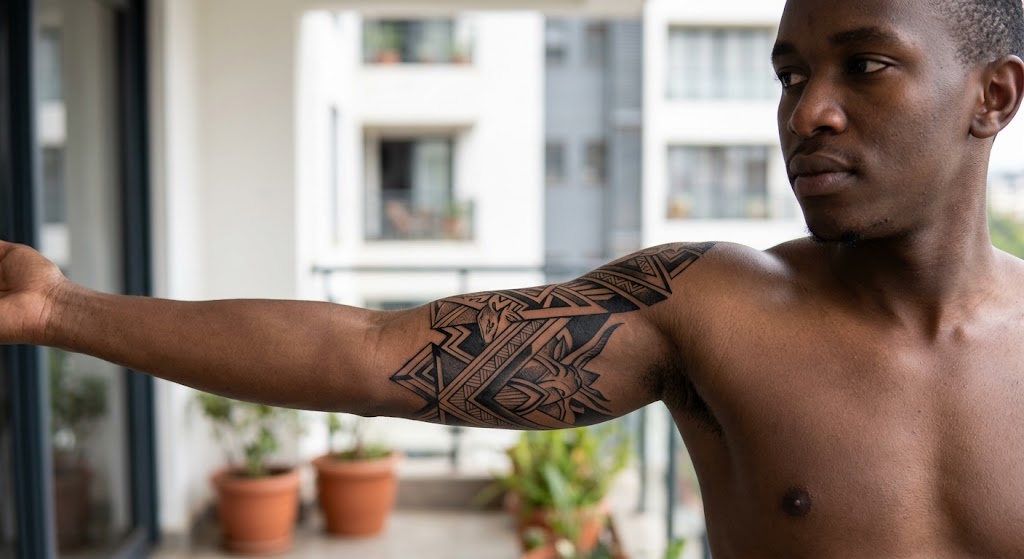
Getting inked has transformed from an underground practice into a vibrant part of urban culture across the world, capturing the imagination of young adults everywhere.
Yet, beneath the artistic creativity lies a fascinating branch of electromechanical engineering. Every professional tattoo relies on a device converting electrical energy into rapid, controlled mechanical movement to deposit permanent pigment safely beneath the outer surface of skin.
Understanding this sheds light on how body art retains its sharpness and durability over time.
From electromagnetic coils to rotary motors
Traditional studio setups relied heavily on electromagnetic coil devices. When power flows through the electrical circuit, it generates a magnetic field that pulls an iron armature bar downward.
This action breaks the electrical contact instantly, allowing a tension spring to snap the needle back up. This rapid cycle repeats between fifty and one hundred and twenty times every second, creating the signature buzzing sound heard in professional parlours.
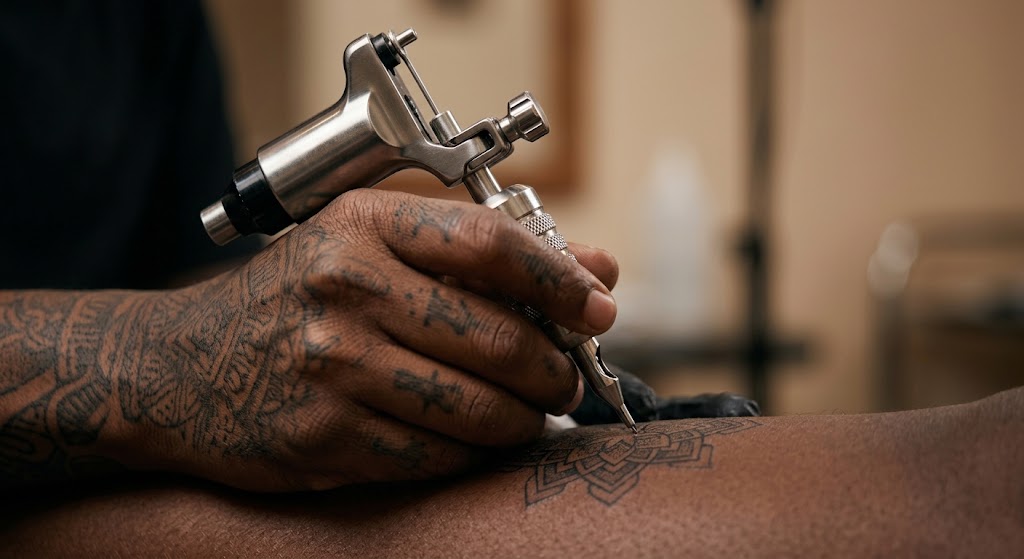
Power units regulate voltage carefully to maintain this steady frequency.
However, modern studios increasingly favour rotary alternatives. Instead of complex springs and electromagnets, a direct current motor drives an eccentric cam that converts circular rotation into smooth linear movement.
As highlighted in a technical whitepaper on micro-motor applications, “The rotary tattoo machine comprises a machine body having a recess, a cam wheel for insertion into the recess of the machine body, comprising a first retaining element and a cam located coaxially to drive the needle in a reciprocating up-and-down motion.”
This steady mechanical action significantly reduces hand fatigue for artists and provides quieter operation, particularly during lengthy multi-hour sessions.
The science of dermal depth
Mechanics alone do not dictate a successful piece of body art. The technician must balance motor speed with exact needle depth.
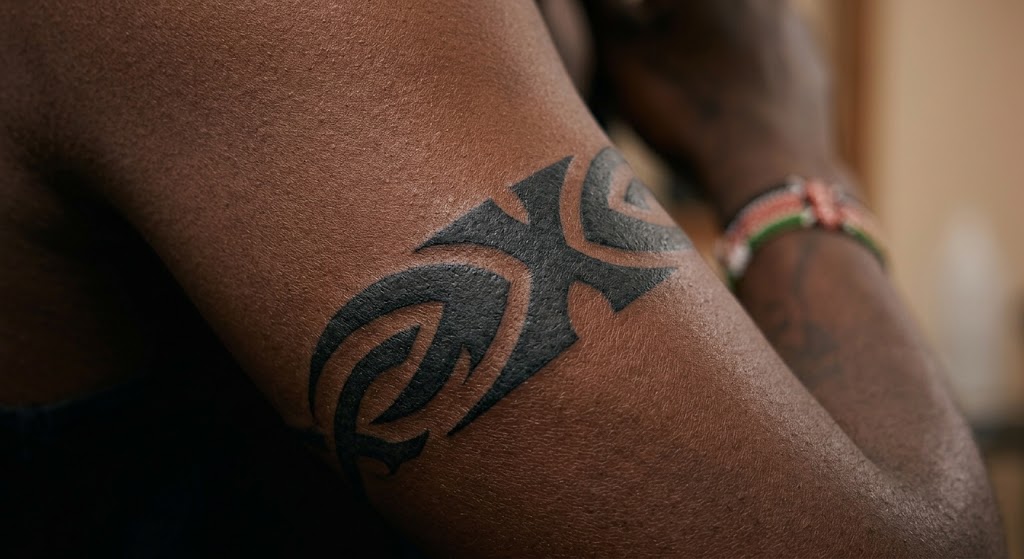
If the needle remains too shallow in the outermost skin layer known as the epidermis, the body naturally sheds the pigment within weeks through normal cellular regeneration, leading to an absolutely wasted tattoo.
Conversely, if the needle plunges too deep into the underlying subcutaneous fat layer, the ink diffuses uncontrollably and creates a blurry blowout that ruins the design.
The optimal target zone lies strictly within the dermis layer. Research into skin penetration mechanics shows that a standard tattoo needle typically penetrates one to two millimetres beneath the surface.
This precise depth traps the pigment securely within stable fibrous tissue, ensuring the artwork remains visually sharp for years.