Advertisement
Simple ways to fix a meal when you accidentally add too much salt
18th May, 2026 10:22 AM
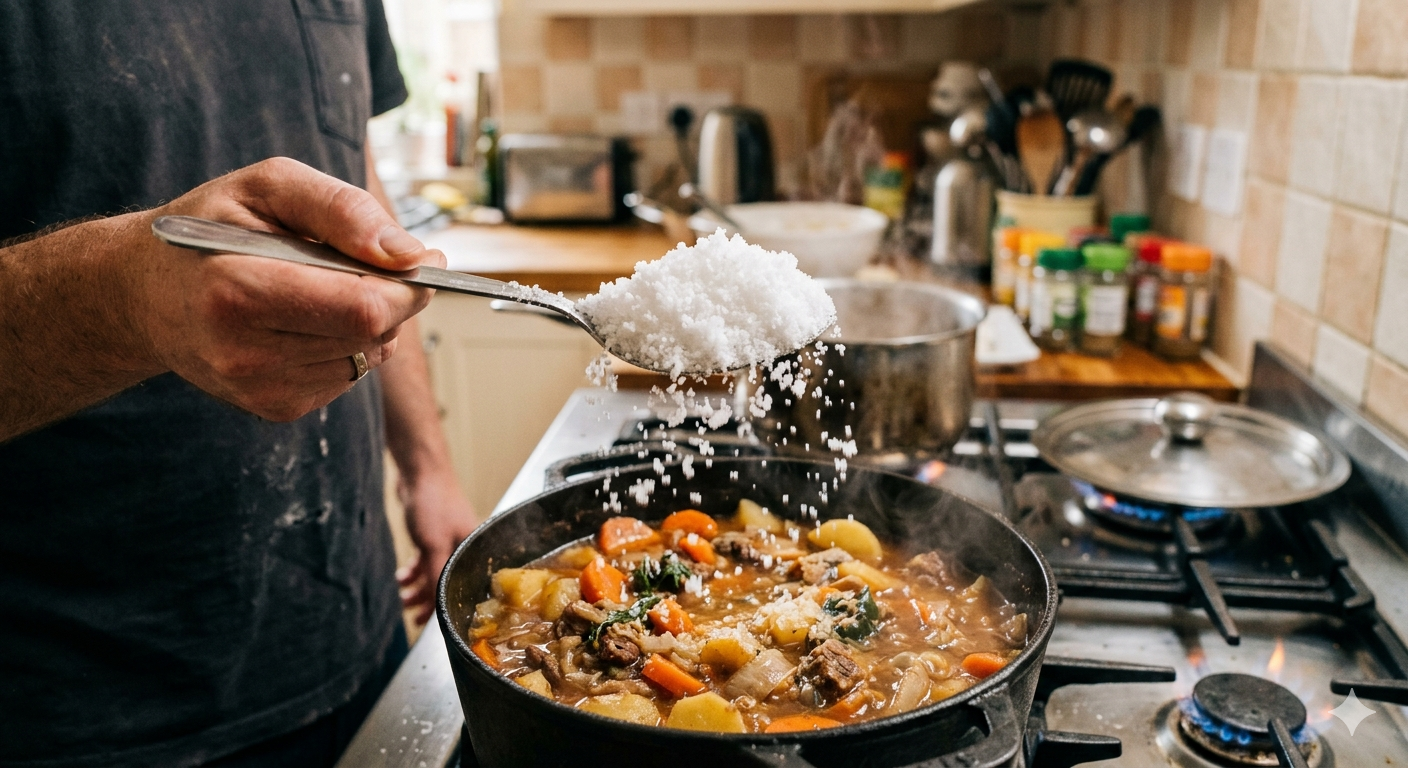
Cooking at home is often about timing, instinct, and small adjustments along the way. But even with experience, one of the easiest mistakes to make is adding too much salt. It can turn a carefully prepared dish into something overwhelming in seconds. The good news is that in most cases, the meal is not ruined. With a few simple kitchen tricks, it can still be brought back into balance.
Add more ingredients to balance the salt
One of the most common and practical ways to fix an oversalted dish is simply increasing its volume. This means adding more of the main ingredients without salt. For soups, stews, or sauces, extra vegetables, beans, rice, or pasta can help spread out the salt so it is less intense in every bite.
In Kenyan home kitchens, this is often done by adding more potatoes, sukuma wiki, or extra tomatoes when cooking stews. The idea is not to remove the salt, but to dilute its strength across more food so the taste becomes manageable. As food experts noted, “you cannot take salt out once it is in, but you can balance it by increasing the food around it.”

Use acid or sweetness to adjust flavour
If adding more food is not possible, another effective method is to adjust the flavour profile. A small amount of acid, such as lemon juice, vinegar, or even tomatoes, can help reduce the sharpness of saltiness on the tongue. This works especially well in sauces and soups where a little brightness can change the overall taste.
A touch of sweetness can also help in moderation. A pinch of sugar or a small drizzle of honey can soften the saltiness without making the dish sweet. This balance between sweet and salty is a common cooking principle used to rescue many meals when seasoning goes off track.

Serve with plain sides or repurpose the dish
Sometimes the easiest solution is not to fix the dish itself, but to adjust how it is eaten. Serving an over-salted meal with plain accompaniments like unsalted rice, ugali, bread, or plain vegetables can help reduce the salt impact per bite.
Another practical approach is repurposing. A salty stew, for example, can be turned into a filling for another dish, mixed with fresh ingredients, or stretched into a larger meal. This reduces waste while making the food more enjoyable.
Food guides often suggest that many over-salted dishes can still be saved through simple adjustments like dilution, balancing flavours, or combining with unsalted foods. Even though over-salting is a common kitchen mistake, it does not have to mean starting over. With a bit of creativity and patience, most meals can be adjusted back into something edible and satisfying.