Advertisement
Dontire: History of now-famous footwear and its place in nomadic communities
18th July, 2026 08:00 PM
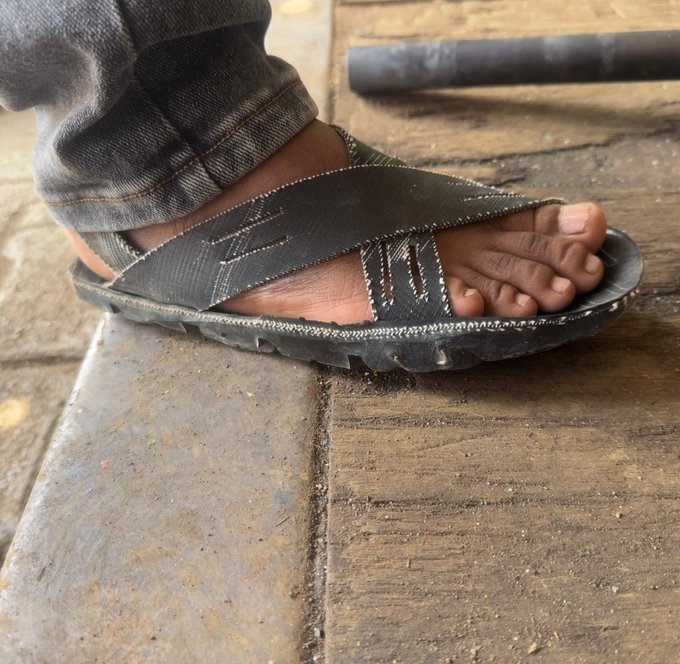
For generations, Akala, Kinyira, now famously known as ‘dontire’ in Nairobi, has been more than just footwear for many of Kenya’s pastoralist communities.
Designed to withstand long journeys across rocky, hot, and thorny landscapes, these traditional sandals have played an important role in the daily lives of herders.
What started as a tool of survival in the arid northern plains has recently transformed into a massive subcultural fashion trend on the streets of Nairobi.
While modern shoes have become more common, kinyira remains a powerful symbol of resilience, cultural identity, and indigenous craftsmanship among communities such as the Pokot, Turkana, Samburu, and Maasai.
Footwear born out of necessity
Long before factories produced modern shoes, pastoralist communities relied on locally available materials to make durable footwear suited to their environment.
Early versions of kinyira, commonly known as, Akala were commonly crafted from treated animal hides, particularly cattle hides, which were cut into the shape of the foot and secured with leather straps. The design protected the feet from scorching ground, sharp stones, thorns and rough terrain during long-distance livestock herding.
As discarded vehicle tyres became more widely available in the mid-20th century, many artisans began using tyre rubber for the soles. Tyre rubber proved tougher, lasted longer and provided better grip, making it a practical choice for communities that often walked many kilometres each day.

An essential part of pastoral life
For nomadic communities, walking is a way of life. Families often move with their livestock in search of pasture and water, particularly during dry seasons.
Kinyira became an essential tool for this lifestyle. The sandals were lightweight, easy to repair and durable enough to withstand harsh conditions. Whether herding cattle, goats, sheep or camels, they allowed pastoralists to travel comfortably across difficult terrain.
Unlike many modern shoes, kinyira was designed with practicality in mind. It could be repaired using locally available materials, making it ideal for people living far from urban centres.
Handmade using traditional knowledge
Making Akala is a skill traditionally passed from one generation to another.
Artisans carefully measure the wearer’s foot before cutting the sole from leather or tyre rubber. Holes are then made for straps, which are adjusted to ensure a secure fit.
Because each pair is handmade, no two sandals are exactly alike. The craft reflects generations of knowledge about local materials, durability and comfort.
In some communities, making footwear also provided an important source of income for skilled artisans.
More than footwear
Although Akala is primarily practical, it also carries cultural significance.
It represents a lifestyle closely connected to livestock, mobility and self-reliance. During cultural festivals, traditional ceremonies and heritage celebrations, elders and dancers may wear kinyira alongside traditional attire to honour their ancestry.
For many young people, wearing the sandals during cultural events is a way of celebrating their roots and preserving traditions that have been passed down through generations.
Supporting local livelihoods
The continued production of kinyira also benefits rural economies.
Local artisans earn income by making custom sandals for community members, visitors, and cultural enthusiasts. The growing interest in handmade and sustainable products has created opportunities for traditional shoemakers to showcase their skills beyond their local communities.
At the moment, dontire is trending following viral clips from a content creator, King Mamba, who has attracted attention with his vivid description of how wearing Akala makes men attractive.
Many have jumped into the trend to buy dontire.