Advertisement
How grief affects your appetite: What to eat when you can’t face food
18th July, 2026 07:32 AM
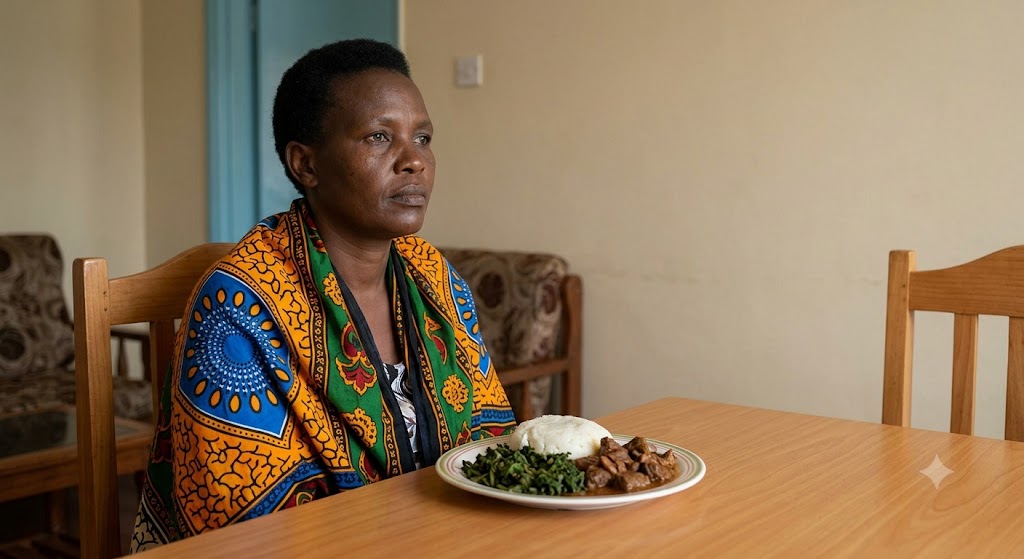
When a home is hit by grief, the kitchen usually overflows with containers of food brought by well-wishing neighbours. Yet, for the person at the centre of the loss, the simple act of chewing and swallowing can feel like an impossible task.
The sight of a full plate often triggers immediate nausea, making even the most comforting meals lose their appeal. This total loss of appetite is a common struggle during mourning, but it is not a sign of stubbornness.
Instead, the body is undergoing a real, involuntary physical response to emotional trauma.
The science behind the locked stomach
When you are grieving, your body goes into a high-alert survival state, releasing large amounts of the stress hormone cortisol. This hormonal surge directly targets your digestive system.
Research on the Effect of psychological stress on gastric motility reveals that “the inhibition of gastric emptying and stimulation of colonic motor function are the most commonly encountered patterns induced by various stressors”. Simply put, intense stress forces your stomach to hold onto food for much longer than usual.
Because food moves through your digestive tract at a snail’s pace, your brain receives continuous signals that you are already full, effectively turning off your appetite.
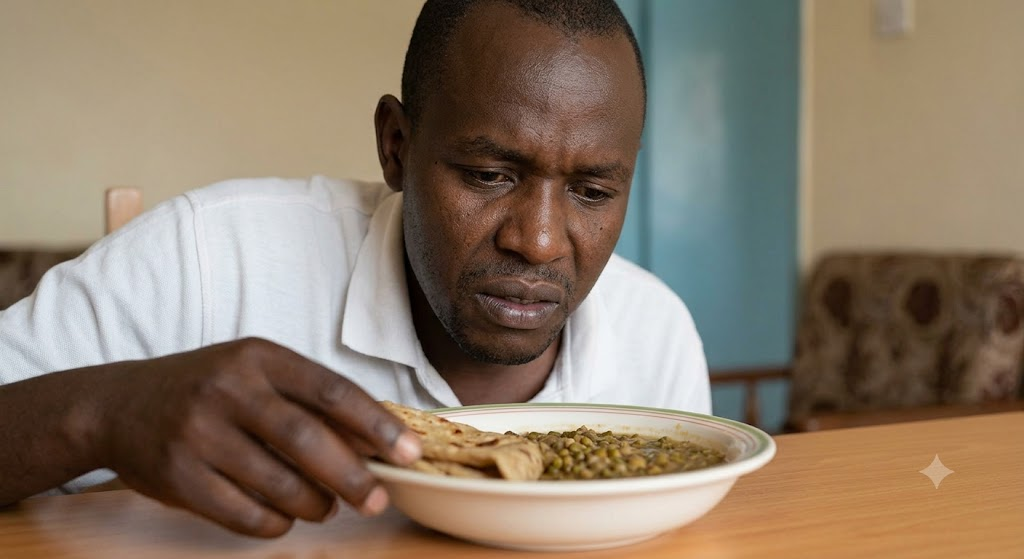
Beyond the biology, your brain is dealing with extreme psychological preoccupation. Processing a major loss consumes massive amounts of mental energy.
The cognitive resources you normally use to think about what to cook, walk to the market, or chop vegetables are completely exhausted by emotional pain. When your mind is focused entirely on mourning, planning a basic dinner feels like climbing a mountain.
How to nurture your body gently
During the initial stages of acute grief, forcing yourself to eat heavy, traditional meals like thick ugali or rich stews will only cause discomfort. Instead, the focus should shift to small, nutrient-dense portions that require almost zero effort to prepare.

Warm, liquid-based foods are much easier for a sensitive stomach to handle. A simple cup of bone broth, a clear chicken soup, or a warm bowl of thin millet porridge can provide vital nutrients without making you feel sick. These options require very little chewing, are easy to swallow, and give your body the basic energy it needs to function.
Instead of aiming for three big meals, try taking a few small bites throughout the day. A spoonful of yoghurt, a piece of fruit, or a handful of roasted groundnuts can help keep your blood sugar stable. The goal right now is not perfect nutrition, but rather giving your body enough fuel to carry you through the fog of grief.