Advertisement
Safety tips for personal vehicle and business owners during the strike
18th May, 2026 08:24 AM
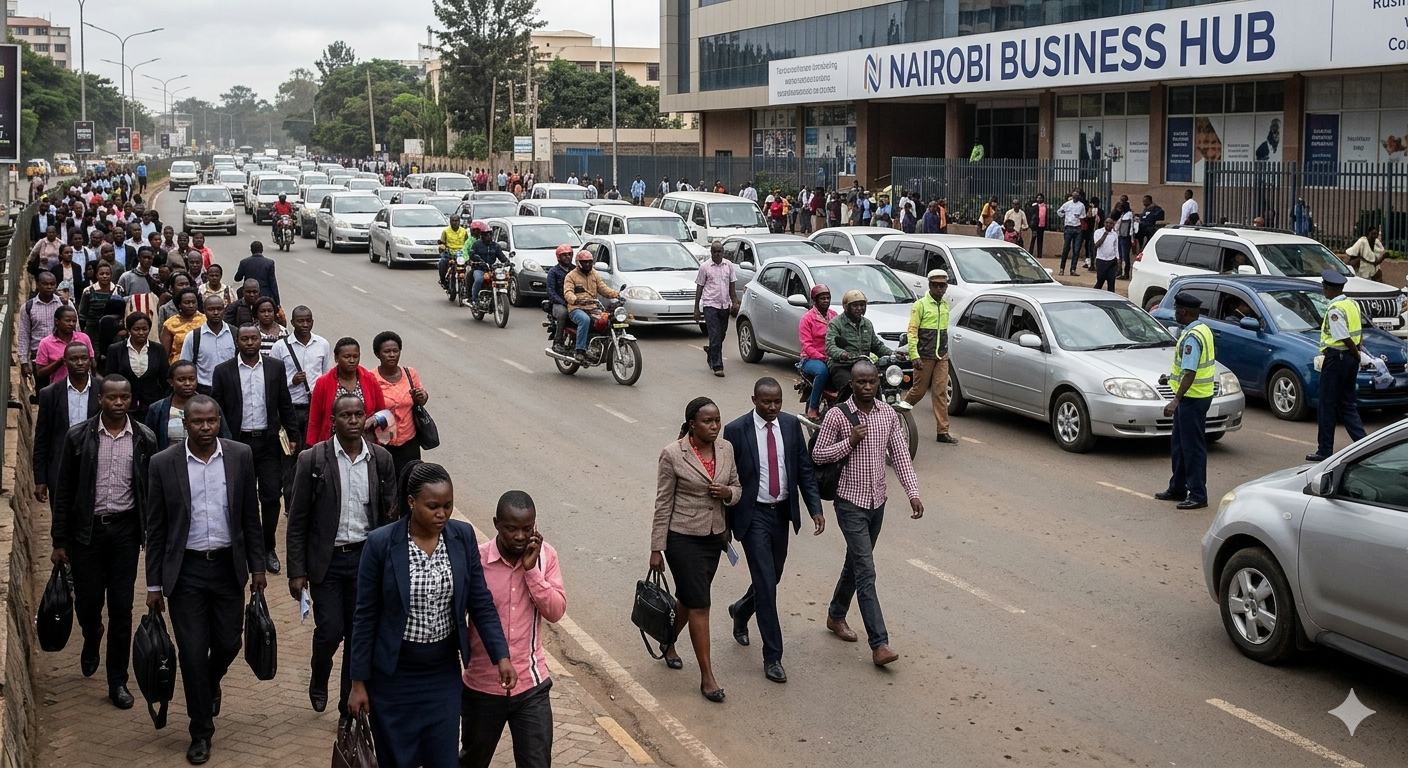
A matatu strike often brings sudden changes to the usual flow of movement across towns and cities. With fewer public transport options available, roads tend to become more crowded as many people turn to private vehicles, taxis, motorcycles, or walking to reach their destinations.
Prepare early and stay updated
This is why preparation matters. Personal vehicle owners should plan their routes early and monitor traffic updates from official transport channels such as the National Transport and Safety Authority and local traffic advisories. Knowing which roads are congested or inaccessible can save time and reduce unnecessary frustration.
Preparation is one of the most effective ways to stay safe during transport disruptions. Leaving home earlier than usual can help reduce panic driving, sudden lane changes, and speeding, all of which increase the chances of accidents during heavy traffic periods.
According to guidance shared by the Automobile Association of Kenya, drivers should maintain safe distances and remain patient during high-pressure traffic situations, especially when roads are unusually busy.
Protect vehicles and business property
When transport systems are disrupted, parking lots and roadside spaces often fill up quickly. This creates opportunities for minor accidents, theft, or damage to unattended vehicles.
Vehicle owners should avoid parking in isolated or insecure areas. It is also advisable to remove visible valuables such as bags, electronics, or important documents from the car. Locking doors, checking windows, and activating security systems are simple but effective safety measures.
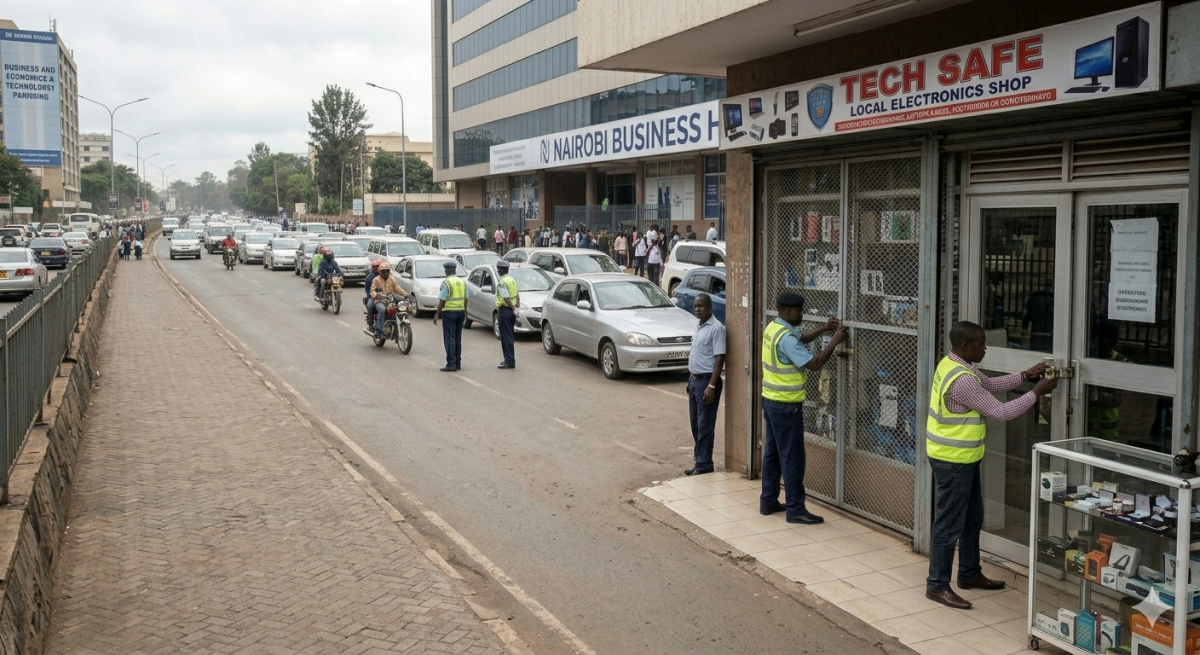
For businesses that rely on deliveries or company vehicles, extra caution is needed. Delivery schedules may need to be adjusted to avoid peak congestion hours. Drivers should remain in regular communication with supervisors to report delays or route challenges.
The Kenya Red Cross had previously advised that during periods of public disruption, businesses should strengthen internal coordination to protect both assets and staff while minimising exposure to avoidable risks.
As one transport safety advisory noted, “Security begins with small preventive actions that are often overlooked during busy days.”
Put people first
Beyond protecting vehicles and goods, personal safety should remain the top priority.
Business owners can ease pressure on workers by introducing flexible reporting hours or temporary remote working arrangements where possible. Lift sharing among trusted colleagues can also help reduce road congestion while offering a safer alternative to unreliable transport options.
For those forced to walk longer distances, sticking to populated and well-lit routes is recommended. Carrying only essential items and keeping mobile phones charged can also improve personal safety.
Drivers should ensure they have enough fuel, a charged phone, and emergency supplies before setting out. Small preparations can make a major difference if delays stretch longer than expected.
While matatu strikes can disrupt routines, calm planning and practical safety steps can help both individuals and businesses navigate the day more safely.