Advertisement
Reasons behind white butterflies seen in Kenyan skies
09th June, 2026 07:57 PM
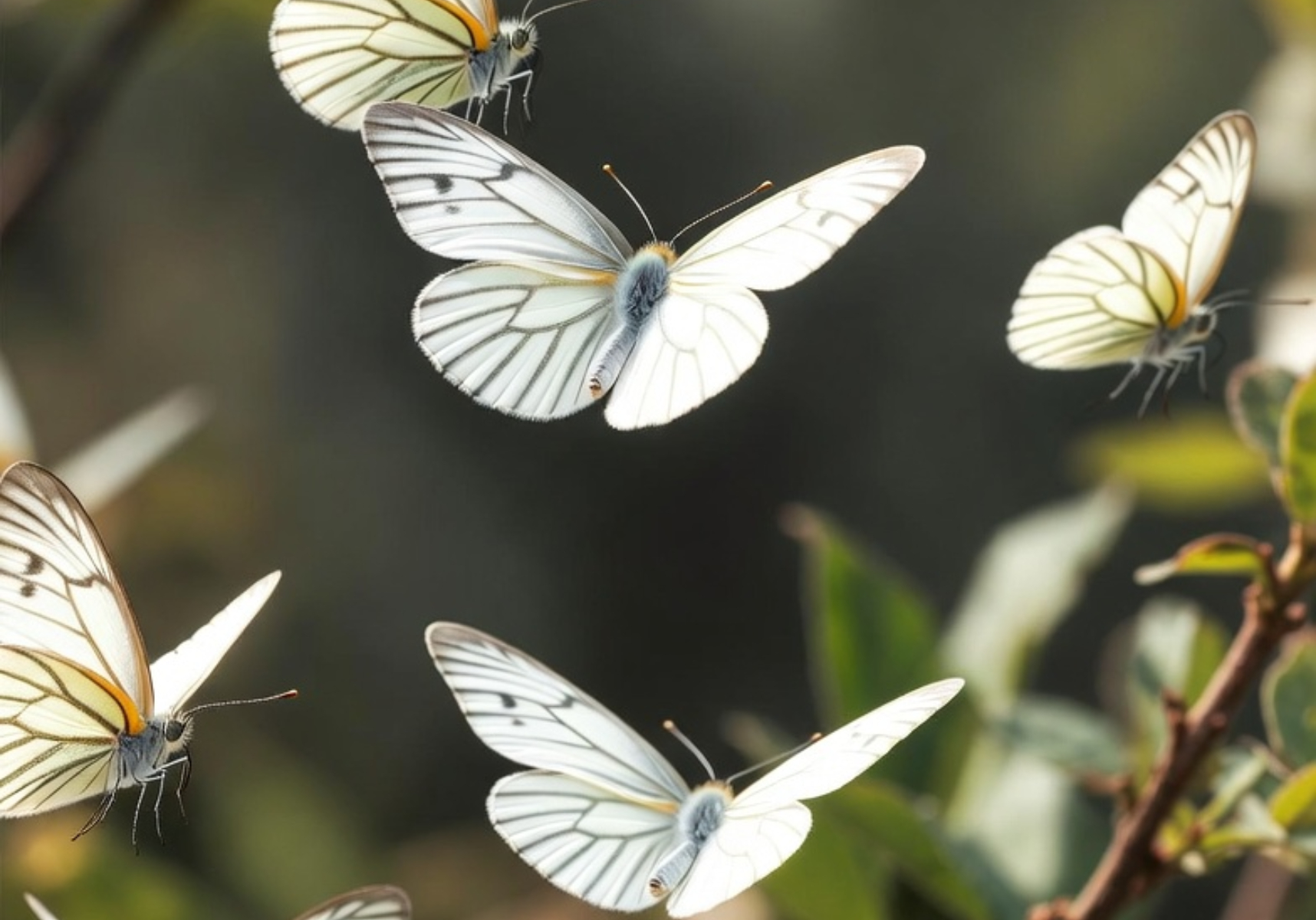
Kenyans across different parts of the country have recently reported large swarms of white caper butterflies appearing in the skies and open fields, sparking curiosity and social media discussions.
While the sight may look unusual or even mysterious, scientists and environmental observers say it is a normal natural phenomenon linked to seasonal weather patterns and butterfly behaviour.
Before looking at the main causes, here are some reasons you are seeing the white butterflies.
- Seasonal rains and food availability
One of the main reasons for the sudden increase in white butterflies is the recent changes in weather, especially rainfall patterns. After rains, vegetation grows quickly, creating a rich food supply for caterpillars and adult butterflies.
White butterflies, commonly from the Pieridae family, depend heavily on leafy plants for reproduction. When conditions are favourable, they breed rapidly, leading to a sudden rise in population that becomes visible all at once in the environment.

- Mass emergence and synchronised life cycle
Butterflies go through a short but highly synchronised life cycle: egg, caterpillar, pupa, and adult. When many caterpillars develop at the same time, they emerge as butterflies within a similar period.
This synchronised emergence often creates the impression of a “wave” or “cloud” of white butterflies moving across the sky, especially in open rural and agricultural areas.
- Movement and local migration
Some species of butterflies also engage in local migration, moving in groups in search of food and suitable breeding grounds. When they gather in large numbers, they can appear to fill the sky, especially during warm, calm weather conditions.
This behaviour is natural and not harmful, and it usually depends on environmental conditions such as temperature, wind, and vegetation cover.
Environmental scientists note that fluctuations in butterfly populations are closely linked to climate conditions, including rainfall, temperature, and humidity. These factors influence breeding cycles and survival rates.
Therefore, the recent sightings of white butterflies across Kenyan skies are best understood as part of nature’s regular rhythm rather than anything unusual or alarming.

Are white caper butterflies harmful?
The White Caper Butterfly is generally not harmful to humans, but it can have mixed effects depending on the setting.
For people, these butterflies are completely harmless. They do not bite, sting, or spread diseases. In fact, they are part of a healthy ecosystem and contribute to pollination.
However, in farming areas, the caterpillar stage of some white butterfly species can become a minor agricultural pest.
The larvae feed on leaves of plants such as cabbage, kale, and other cruciferous vegetables. In large numbers, this can lead to noticeable crop damage if not managed properly.
That said, outbreaks are usually temporary and naturally controlled by predators, weather changes, and ecological balance.
Species found in Kenya
Kenya is home to several species of white butterflies, particularly those in the Pieridae family. These are commonly seen in farms, gardens, and wild grasslands.
They are attracted to flowering plants for nectar and often lay eggs on crops such as cabbages and kale, which provide food for their larvae.