Advertisement
What the Dangote refinery could mean for the cost of living in Kenya
30th September, 2026 01:21 PM
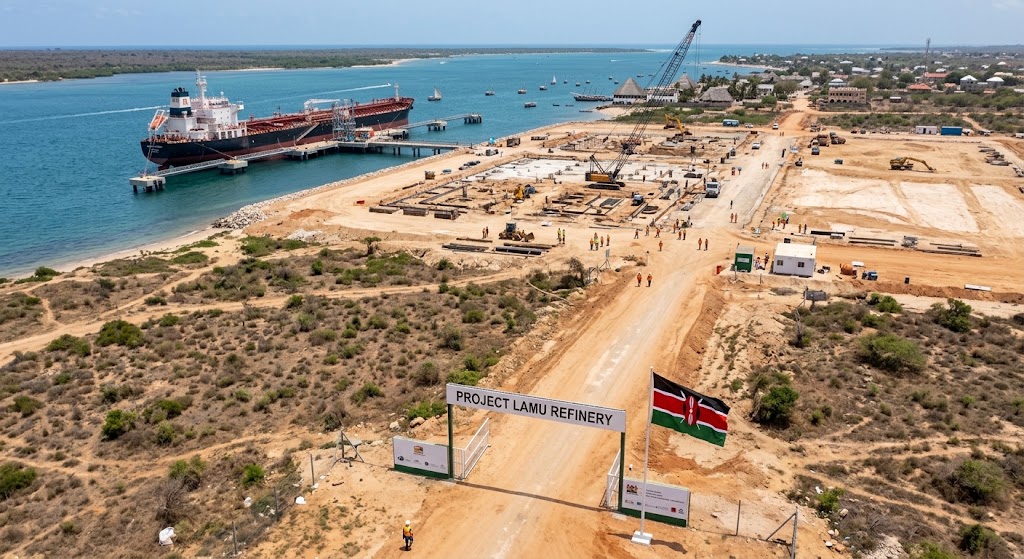
Kenya is preparing for the construction of a major oil refinery in Lamu, with the planned facility expected to process up to 700,000 barrels of crude oil a day. The project is expected to serve Kenya and the wider East African market, raising questions about what it could eventually mean for the everyday cost of living.
For households, the biggest interest is likely to be fuel. Petrol and diesel affect more than the amount motorists pay at the pump. They are also used to move food, manufactured goods and other products from one part of the country to another.
Fuel costs could affect household budgets
Fuel prices are closely connected to transport costs. When the cost of fuel rises, businesses that depend on vehicles to move goods may face higher operating expenses.
Those costs can eventually be reflected in the prices consumers pay for goods and services. This is particularly relevant for food transported from farms to markets and for businesses that rely on regular deliveries.
According to the Energy and Petroleum Regulatory Authority, Kenya’s petroleum prices are influenced by factors including the cost of imported refined petroleum products, the exchange rate, and other regulated components. A domestic refinery could therefore change part of the supply chain, although it would not automatically determine the price consumers pay at the pump.
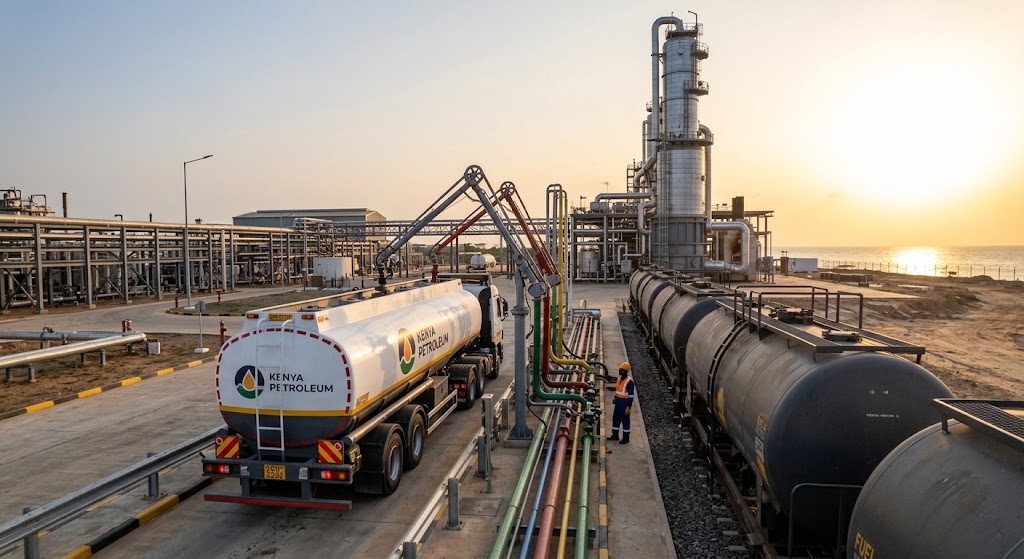
The planned Lamu refinery is designed to process 700,000 barrels of crude oil per day and produce products such as petrol, diesel and jet fuel. Kenya and regional markets currently consume about 21 million litres of petrol, diesel and jet fuel each day, meaning the proposed facility would operate on a scale significantly larger than Kenya’s domestic requirements.
Transport could feel the impact
Transport is another area where the refinery could eventually have an indirect effect.
Fuel is a major operating expense for buses, matatus, trucks and other vehicles. When fuel becomes more expensive, transport operators may face pressure to increase fares or reduce their margins.
If refining and supply arrangements eventually help reduce some of the costs associated with importing finished petroleum products, transport businesses could have more room to manage their operating expenses.
However, this would depend on several factors, including the price of crude oil, refinery operating costs, taxes, distribution expenses, and global market conditions. The refinery itself would therefore not guarantee cheaper fares.

Food prices are also connected
The effect could extend beyond transport.
Food moves through several stages before reaching consumers. Farmers may need fuel for machinery, traders use vehicles to collect produce, and wholesalers and retailers rely on transport to move goods between markets.
A change in fuel costs can therefore affect several parts of this chain. This does not mean food prices would automatically fall once the refinery begins operating. Other factors, including weather, production costs, exchange rates and the availability of food, also influence what consumers pay.
More economic activity around Lamu
The refinery could also affect household incomes through employment and business opportunities.
The project is expected to support a wider industrial development involving petroleum processing, petrochemicals, logistics and related services. Reports on the project have placed expected job creation at more than 50,000 positions across the wider development.
This could create opportunities for businesses supplying goods and services to workers and companies operating around the refinery.
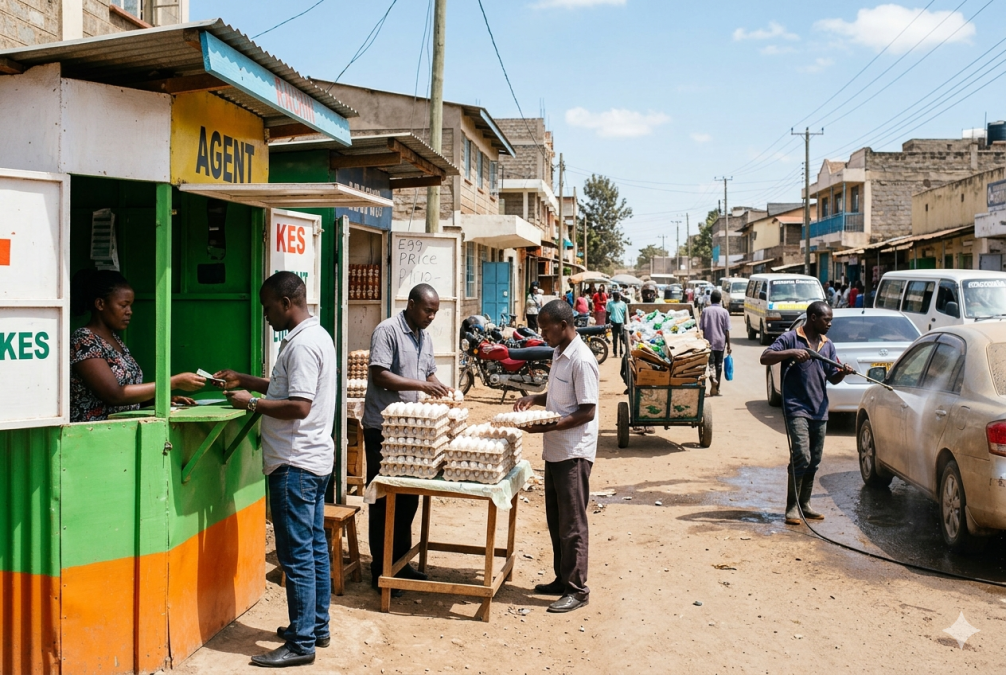
Small businesses could potentially benefit from increased demand for accommodation, food, transport, retail services and other everyday needs as activity around Lamu grows.
The benefits may take time
The planned refinery is a long-term project, with construction expected to continue for several years. Its effect on household finances will therefore not be immediate.
There are also challenges that could influence the project’s eventual impact, including securing enough crude oil, developing supporting infrastructure and resolving legal and environmental concerns around the site.
For ordinary households, the biggest question will ultimately be whether increased local refining capacity can make the supply of petroleum products more stable and whether any resulting savings are passed through the wider economy.
The refinery could influence fuel, transport, jobs and business activity, but its effect on the cost of living will depend on how the entire petroleum supply chain operates once the facility is eventually running.