The danger of ‘soft life’ spending habits on social media
By Katemarthason Okudo, August 3, 2026Scrolling through social media has become part of everyday life for many people. From luxury holidays and expensive restaurants to designer clothes and the latest gadgets, feeds are filled with images of people enjoying what is often described as the ‘soft life’.
While there is nothing wrong with wanting comfort or celebrating success, trying to copy this lifestyle without the financial means can quietly damage personal finances.
The pressure to appear successful online has made many people spend beyond their budgets. Some buy things they cannot comfortably afford, while others rely on loans or credit simply to keep up with trends. Although these purchases may attract likes and compliments, the financial consequences can last much longer than the online attention.
Unrealistic financial expectations
One of the biggest dangers of social media is that it rarely shows the full picture. Many posts highlight achievements and luxury experiences but leave out the planning, savings, or income that made them possible. Some content is also sponsored, meaning influencers are paid to promote products or lifestyles.
This can create unrealistic expectations, especially among young adults who may feel they are falling behind if they are not travelling regularly, eating at expensive restaurants or buying fashionable items.

According to the Organisation for Economic Co-operation and Development (OECD), financial wellbeing depends on making informed money decisions rather than comparing lifestyles with others. Constant comparison can encourage unnecessary spending and make it difficult to focus on personal financial goals.
Small purchases becoming major problem
The desire to enjoy a “soft life” does not always involve buying luxury cars or booking costly holidays. It can begin with frequent online shopping, daily food deliveries, expensive coffee runs, or upgrading gadgets before they are necessary.
Each purchase may seem harmless on its own, but together they can consume a significant part of a monthly income. Without careful budgeting, people may struggle to save for emergencies, education, home ownership, or retirement.
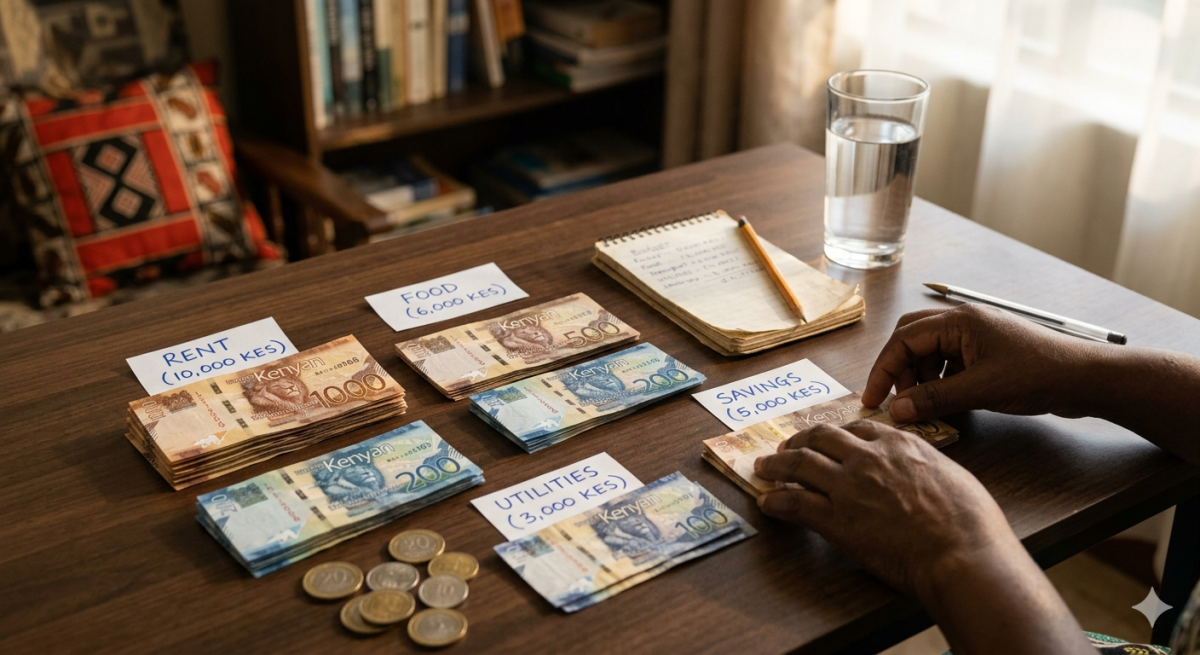
According to the Consumer Financial Protection Bureau (CFPB), tracking spending habits and distinguishing between needs and wants are important steps in building long-term financial stability. Regularly reviewing expenses can reveal patterns that often go unnoticed.
Choosing financial peace over online approval
Living comfortably does not have to mean copying what appears on social media. Financial experts encourage setting personal goals that match individual income rather than following online trends. A genuine “soft life” can also mean having savings, paying bills on time, and avoiding unnecessary debt.
Creating a realistic budget, limiting impulse purchases and taking breaks from social media can help reduce the pressure to spend. Celebrating small financial milestones, such as paying off debt or reaching a savings target, can be just as rewarding as buying luxury items.
According to the World Bank, improving financial literacy helps people make better financial decisions and build resilience against economic challenges. Understanding how money works makes it easier to resist pressure from unrealistic lifestyles promoted online.