Advertisement
How to use social media to build a career, not just a following
11th May, 2026 10:42 AM

There is a moment many professionals will recognise: scrolling through LinkedIn and watching someone land a dream job, a speaking slot, or a brand deal.
Social media, used with intention, is one of the most powerful career tools available right now. The challenge is that most people use it for consumption rather than creation, and for connection rather than credibility.
Here is how to flip that around.
LinkedIn: treat it like a living portfolio
LinkedIn remains the platform with the clearest line between activity and professional outcomes.
A 2025 peer-reviewed study published in Administrative Sciences that surveyed 396 professionals across diverse career fields found that participants consistently pointed to online presence(particularly on platforms such as LinkedIn) as essential for visibility and credibility in today’s job market.
One participant put it simply: “It’s not just about being good at your job; it’s about being different in a way that adds value to others.”
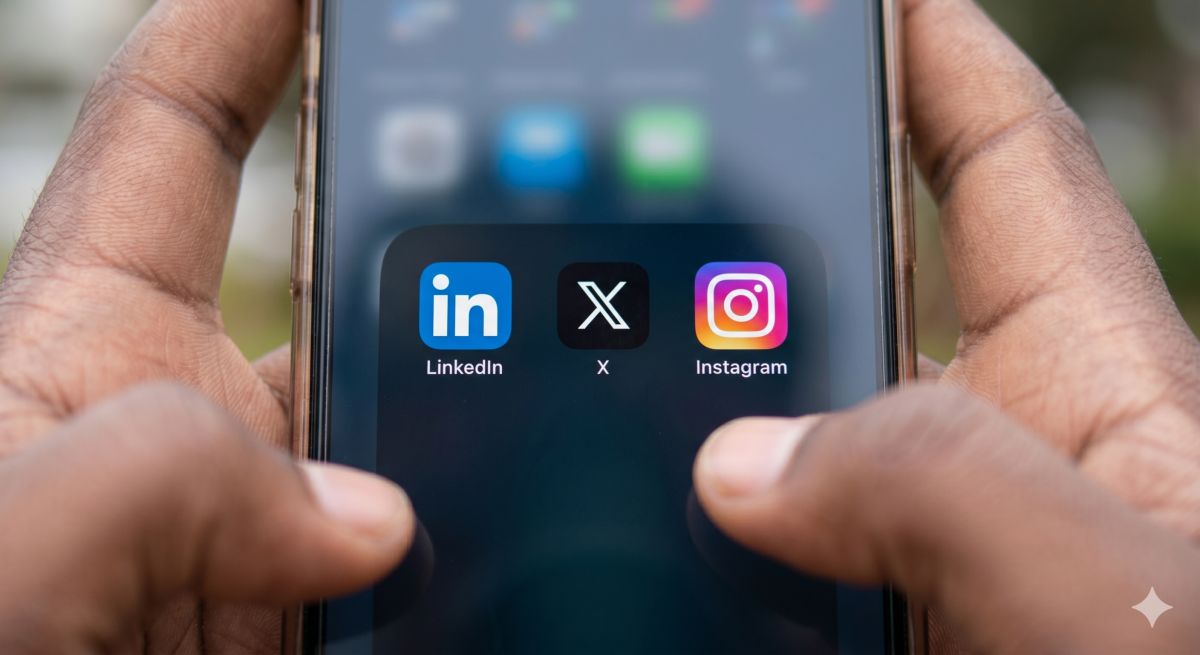
That difference shows up in how you show up. A complete profile is just the starting point. What actually moves the needle is consistent, value-led activity: sharing lessons from your work, weighing in on industry conversations, and publishing posts or articles that show how you think.
Commenting thoughtfully on other people’s content matters too. It puts your name in front of networks you may never have reached otherwise.
The rule here is to treat every post less like a status update and more like a small contribution to a professional conversation. Before you post, ask: what does this do for someone who reads it?
X and Instagram: two different tools, one goal
X (formerly Twitter) rewards people who can think clearly and quickly. Journalists, lawyers, economists, marketers, and creatives have built meaningful professional profiles partly through sharp, consistent posting.
A thread that breaks down a complex topic in your field, a well-timed take on an industry story, or a regular commentary on your area of expertise can make you genuinely memorable to the right people.
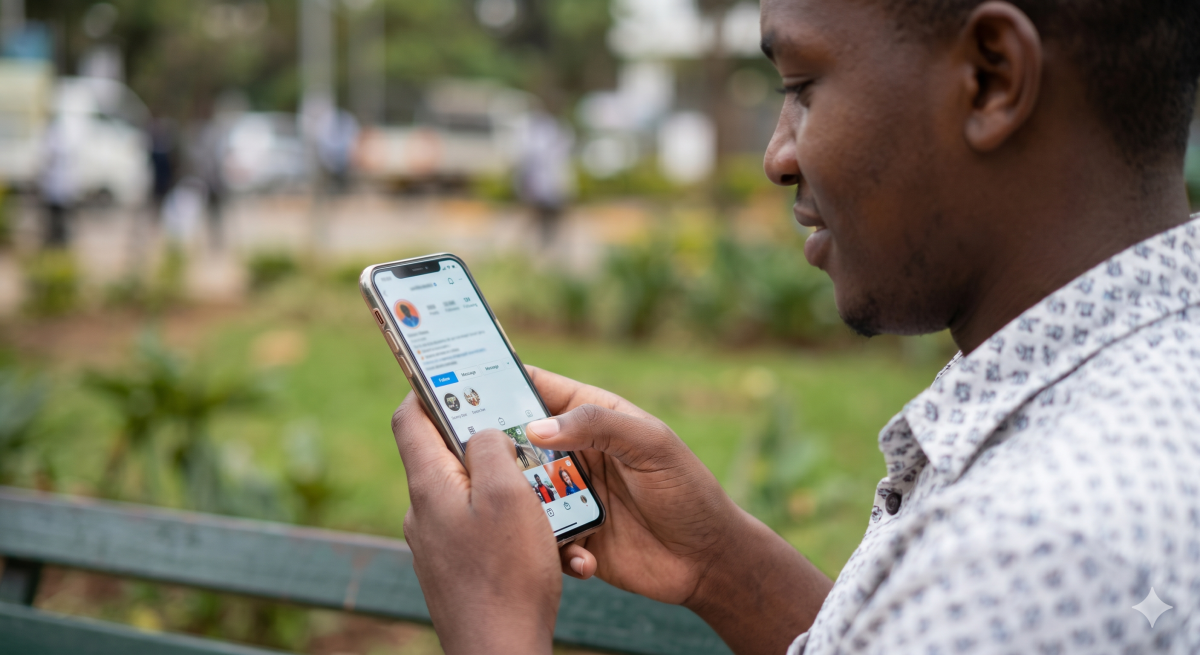
Instagram works differently. It is a visual platform that rewards consistency of aesthetic as much as consistency of message. For professionals in design, fashion, food, photography, or events, it functions as a portfolio.
But even outside visual industries, Stories and carousel posts are increasingly used to share work processes, client outcomes, and professional milestones – all of which build the kind of trust that a CV cannot.
Research published in the International Journal of Marketing Studies (2024) supports this: graduates who maintain a consistent online presence across platforms (including personal statements and digital portfolios) are perceived as more employable than peers who do not engage that way.
The professionals who attract real opportunities across all three platforms are rarely the ones with the most followers.
They are the ones who show up regularly, add value, and make it easy for anyone to understand exactly what they do and what they stand for.
That clarity in their online presence is what turns a profile into a career tool.
Start with one platform. Audit what your name already says about you online.
Then build from there. Post, engage, and let your work speak somewhere people can actually see it.