Advertisement
How social isolation affects your mental and physical health
14th July, 2026 11:28 PM
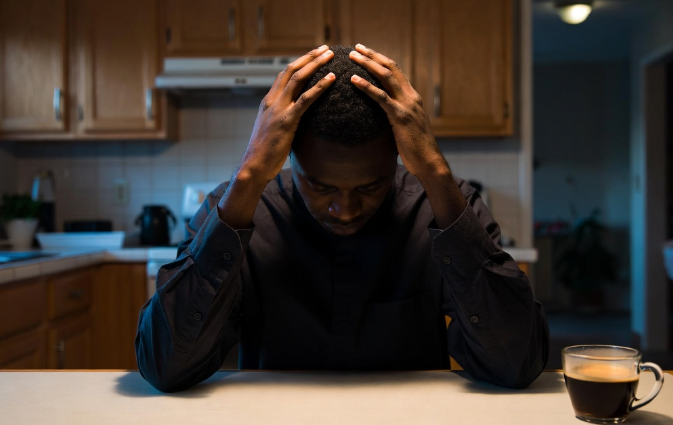
Social isolation and loneliness are becoming a growing public health concern worldwide, with the World Health Organization (WHO) warning that a lack of meaningful social connections can have serious consequences for both mental and physical well-being.
According to the WHO, people who experience prolonged social isolation face a significantly higher risk of developing major health conditions, including heart disease and stroke.
Lack of connection is linked to a 30% higher risk of stroke and heart disease and can also increase anxiety, depression, and suicide risk.
WHO notes that beyond physical health, social isolation can also take a heavy toll on mental well-being.
“The global health agency says a lack of social connection is associated with a 30 per cent higher risk of these cardiovascular diseases, underscoring that loneliness is more than just an emotional challenge. Social isolation & loneliness are rising worldwide, posing serious health risks,” WHO states.
The WHO has warned that people who feel isolated are more likely to experience anxiety and depression and may be at an increased risk of suicide.
These effects can be especially severe among older adults, young people, people living alone and individuals facing financial or social challenges.
Spending time alone
While spending time alone can be healthy and restorative, experts note that social isolation differs from solitude. Social isolation refers to having limited contact with family, friends or the wider community, while loneliness is the distressing feeling that arises when a person’s social relationships do not meet their emotional needs.
Health experts say strong social connections play an important role in maintaining overall health. Regular interaction with family, friends, neighbours or community groups can help reduce stress, improve emotional resilience and encourage healthier lifestyles.
Having supportive relationships can also make it easier for people to cope with life’s challenges and seek help when they need it.
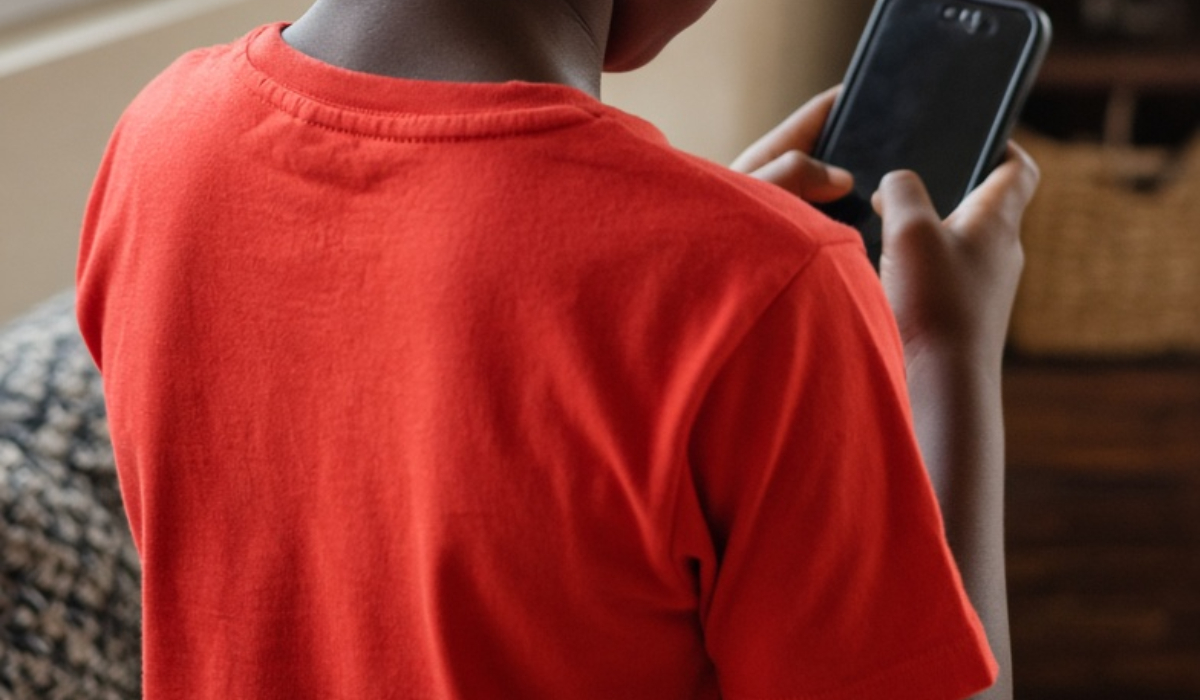
Modern lifestyles have contributed to the growing problem. Long working hours, increased screen time, remote work, urban migration and changing family structures have left many people feeling disconnected despite being constantly connected through digital platforms.
The WHO is encouraging individuals, families and communities to make social connection a priority. Simple actions such as checking in on loved ones, visiting elderly relatives, joining community groups, volunteering or spending quality time with friends can help strengthen social bonds and reduce feelings of loneliness.