Advertisement
Smart ways to plan for yearly expenses before draining your wallet
22nd May, 2026 03:13 PM

Many people plan well for monthly bills like rent, transport, electricity, and food, but forget that some expenses only come once or twice a year. When these costs finally arrive, they often feel like emergencies even though they were expected.
Annual expenses are costs that do not happen every month but still require money at a certain time of the year. These may include school fees, insurance payments, holidays, birthdays, house rent for those who pay yearly, car maintenance, business permits, festive season spending, or medical check-ups.
Financial experts say these expenses become stressful mainly because many people do not prepare for them early enough. Instead, they wait until the last minute and end up borrowing money, using mobile loans, or exhausting their savings.
Why annual expenses feel heavier than they should
One reason annual expenses feel painful is that they usually arrive in large amounts. Paying Ksh30,000 at once can feel difficult even for someone who earns regularly every month.
According to financial advice shared by Old Mutual Kenya, breaking down high yearly costs into smaller monthly savings can reduce financial pressure and help households avoid unnecessary debt.
For example, if school expenses are expected to cost Ksh24,000 in January, saving Ksh2,000 every month throughout the year may feel more manageable than trying to raise the whole amount at once.
Many people struggle financially because they often focus only on immediate needs and forget future obligations that are predictable. “Planning gives people control over their finances instead of reacting in panic when bills arrive,” financial experts noted.
Simple ways to prepare early
One of the easiest ways to manage annual expenses is by budgeting a yearly financial calendar. This means listing all expected expenses for the year and estimating how much each one may cost.
Once the list is made, divide the amount by the number of months left before payment is needed. This helps create a realistic savings target.
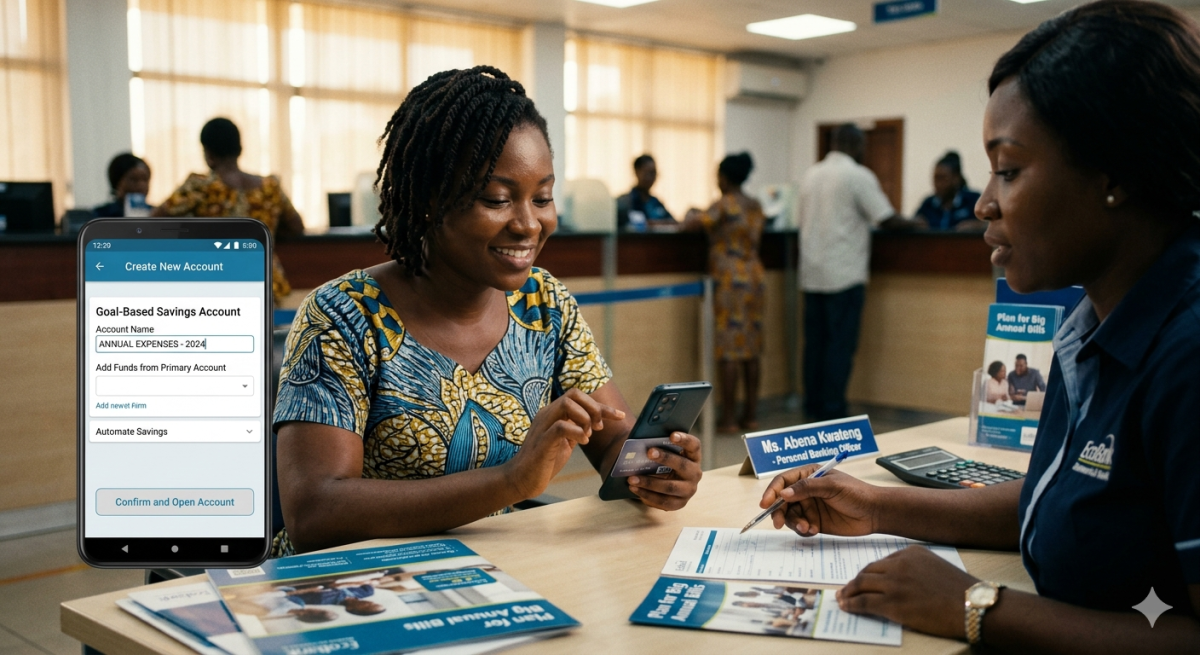
Another useful habit is opening a separate savings account or mobile wallet specifically for annual expenses. Keeping the money separate reduces the temptation to spend it on daily needs.
Financial experts encouraged people to treat savings for annual costs like a normal monthly bill. Even small contributions made consistently can grow into something meaningful over time.

Cutting down on impulse spending can also help create room for savings. Many people lose money through unplanned online shopping, unnecessary subscriptions, or frequent takeout meals without noticing how much accumulates over time.
Planning reduces financial stress
Preparing for annual expenses does not always mean earning more money. In many cases, it simply means becoming more intentional with available income.
People who plan are less likely to rely on loans during emergencies or festive seasons. They also avoid the emotional stress that comes with last-minute financial pressure.
Financial planning may not always seem exciting, but it creates peace of mind. Knowing that money has already been set aside for future expenses allows people to focus on other goals without constantly worrying about upcoming bills.