Advertisement
Your emergency fund is not a backup budget but when can you use it?
22nd May, 2026 09:51 AM
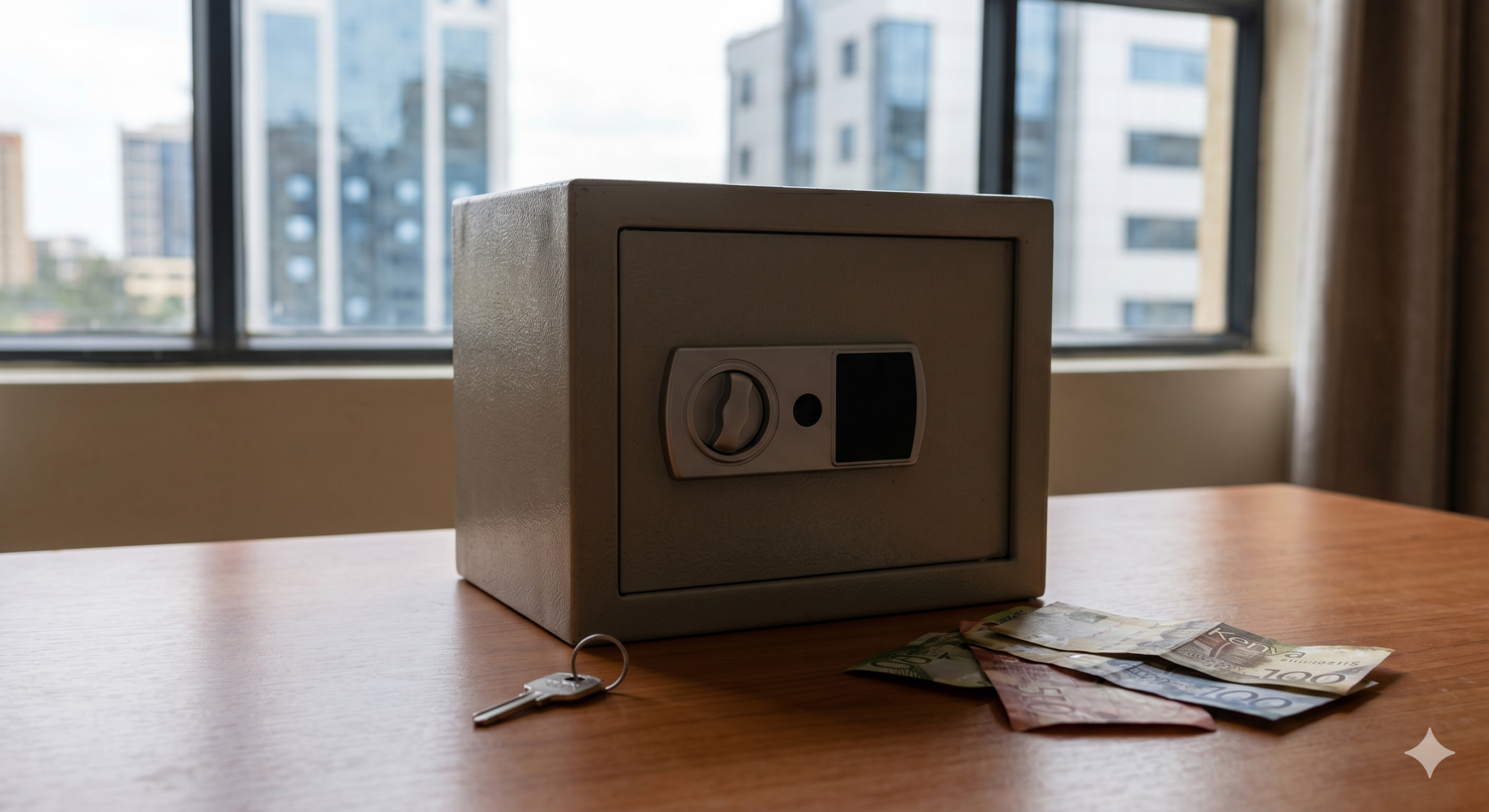
If you have an emergency fund, you are already ahead of most people.
But there is a good chance you are using it wrong, and that quiet mistake could be the reason the fund never seems to grow or why it disappears right before you actually need it.
The most common misuse looks harmless on the surface.
School fees are due, and you are short by Ksh8,000.
Nairobi Fashion Week is happening, and your outfit budget did not plan for the ticket.
Rent is tight this month because you spent more than you intended last month.
So you dip into the emergency fund, promise to replace it, and move on. None of those situations is an emergency.
They are either predictable expenses that needed their own savings pocket or the consequences of poor spending decisions made earlier in the month.
What the fund is actually for
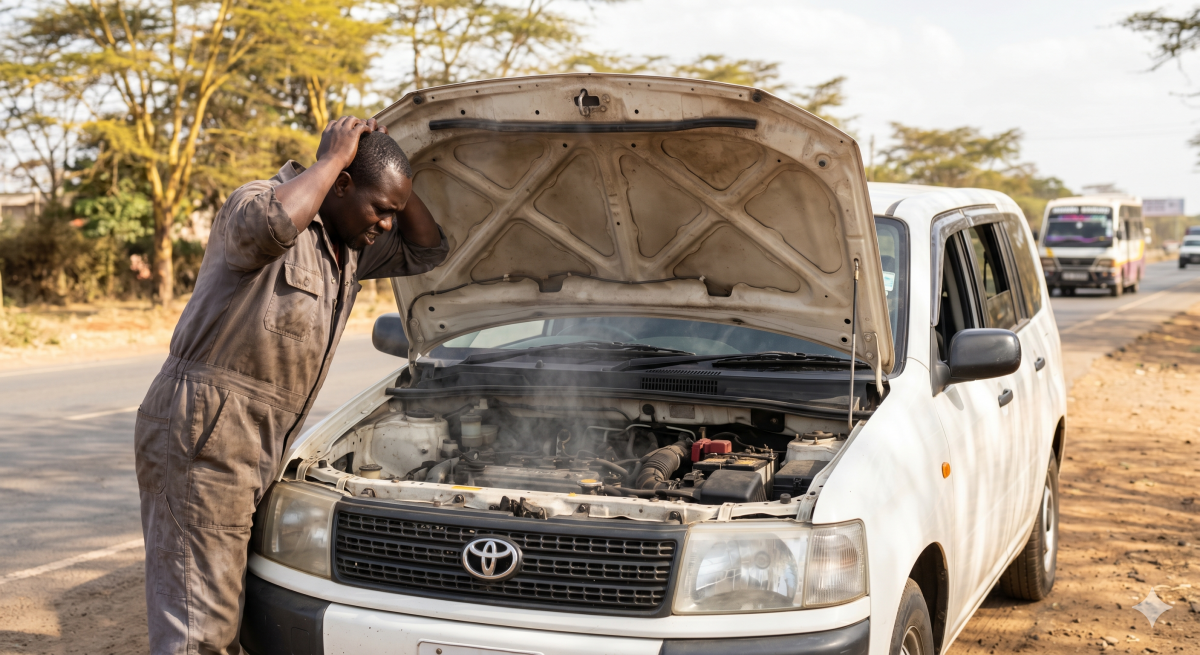
Researchers at Vanguard describe the events an emergency fund is designed to absorb as things that are, by definition, “unplanned and unwanted” – a broken appliance, a sudden medical cost, an urgent car repair you had no way to anticipate.
On the more serious end, the fund exists to carry you through a loss of income: a layoff, a prolonged illness, a business slowdown that cuts your monthly cash flow.
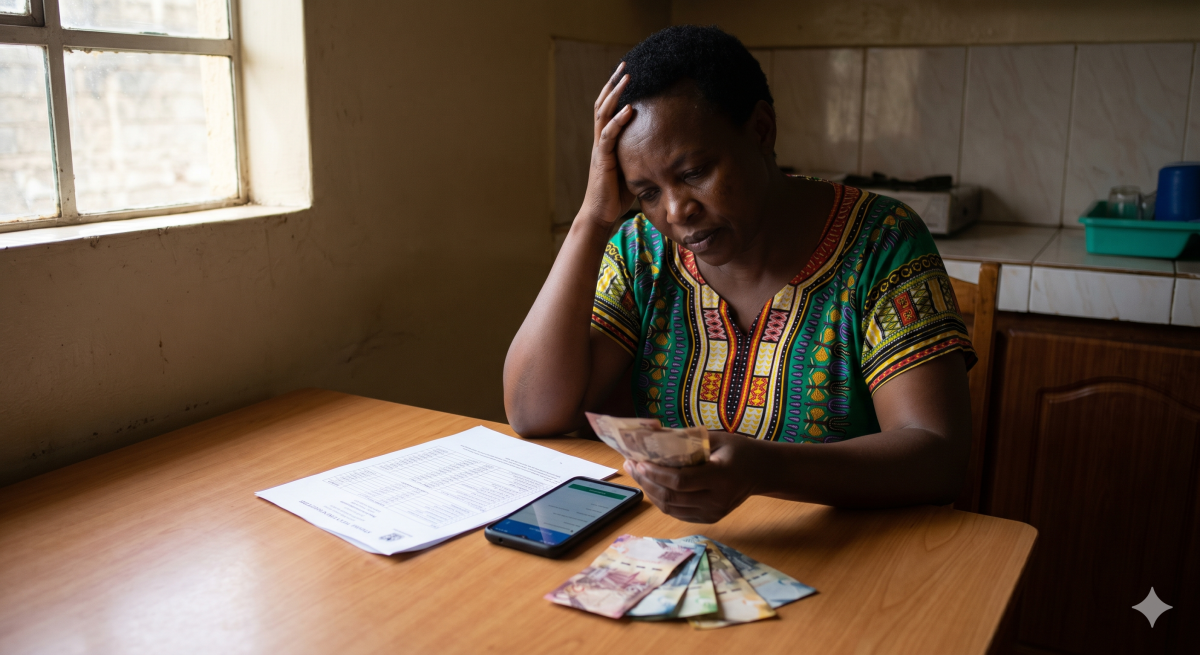
These are two different kinds of shocks, and both require the same tool: money that is sitting quietly somewhere and touching nothing else.
The moment you let the fund double as a lifestyle buffer or a general shortfall account, it stops being a safety net and becomes just another savings account you are always about to refill.
Vanguard’s 2025 research, which surveyed more than 12,000 investors, found that people without emergency savings were three times more likely to report increased financial stress year over year compared to those with at least a baseline buffer in place.
The stress ends up affecting focus, sleep, and decision-making in ways that compound over time.
How to size it and name it correctly
The standard guidance is three to six months of essential expenses, meaning rent, food, transport, utilities, and medical – not lifestyle spending.
For most Kenyans in Nairobi, that is somewhere between Ksh90,000 and Ksh300,000, depending on your household.
Start with a smaller target (one month’s essentials) and treat it as untouchable once you hit it.
The naming matters more than it sounds. Calling it an “emergency fund” gives your brain permission to define what counts as an emergency.
Consider calling it something more specific: “job loss fund” or “medical crisis fund”.
The narrower the name, the harder it is to justify pulling from it for a concert ticket or a shortfall you saw coming three weeks ago.
Build it slowly. Protect it fiercely.