Advertisement
Household hacks saving Kenyan families thousands a month
12th May, 2026 09:58 AM

Rising costs have a way of making Kenyans feel like the only answer is to earn more. But experienced household managers will tell you something else entirely: the smarter move is to lose less.
A few deliberate domestic habits, done consistently, can quietly return thousands of shillings to the family budget every month without touching quality of life.
Here is where those savings are actually hiding.
Buy in bulk, but buy with a plan
The wholesale trip is one of the oldest money-saving moves in the Kenyan household playbook, and it still works.
Staples such as maize flour, rice, cooking oil, bar soap, tissue paper, and sugar cost considerably less per unit bought from a wholesale shop than from the neighbourhood corner shop.
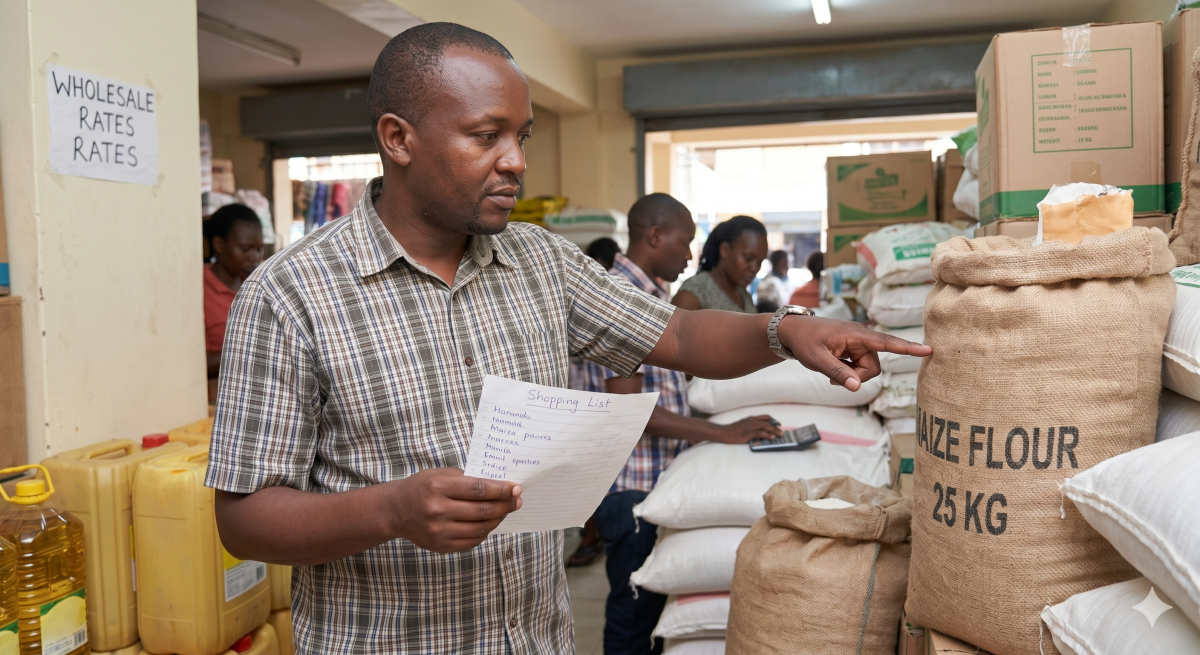
A household spending Ksh 3,000 monthly on such basics at retail could realistically cut that bill to Ksh 1,800–2,000 with a single organised wholesale run – a saving of over Ksh 1,000 on essentials alone.
The keyword, though, is plan.
A 2024 study published in the peer-reviewed journal Resources, Conservation and Recycling by researchers at Wageningen University found that “poor meal planning” is a key driver of household food waste, meaning the money saved at the wholesale checkout can silently disappear again through food that spoils before it reaches the pot.
Shop in volume, but shop to a list, and always rotate what is already on the shelf before buying more.
Small habits that quietly cut costs
The kitchen is where most household budgets either hold firm or collapse.
Cooking at home rather than ordering takeaway or eating out daily is the obvious lever, but it is the smaller, more consistent food habits that accumulate fastest.
Storing vegetables correctly, turning leftover ugali into the next morning’s fry-up, and planning meals weekly rather than shopping daily all eliminate the slow, invisible bleed of spoiled food.
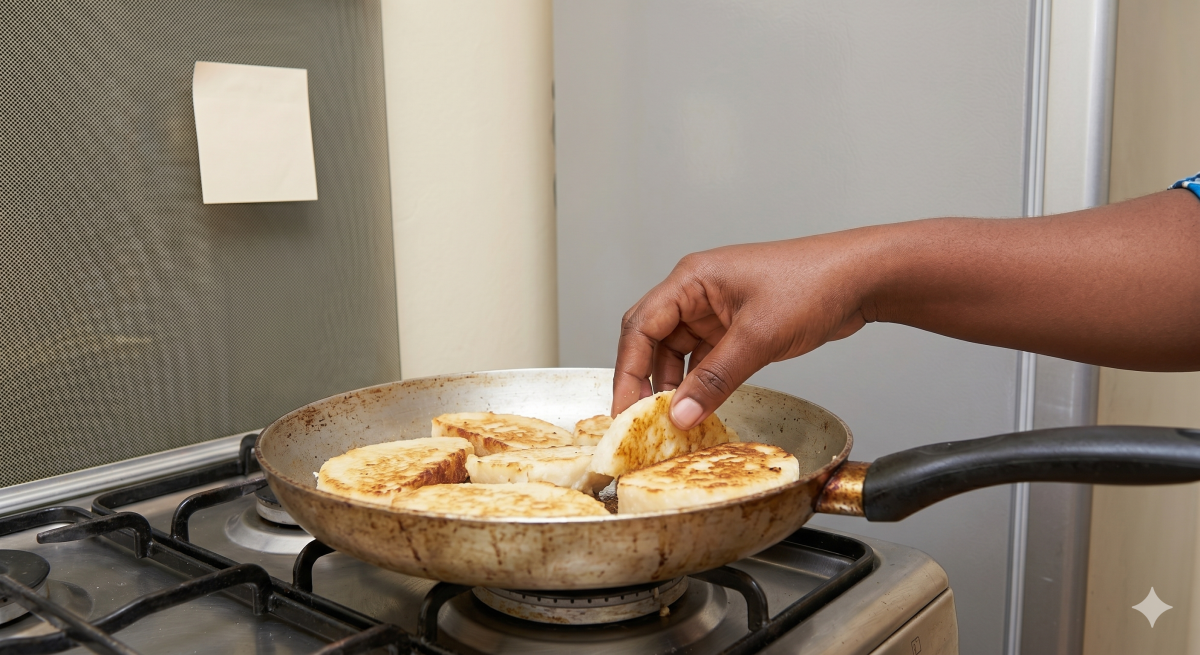
A 2024 study in the Journal of Nutrition Education and Behavior, which piloted a family-based food literacy programme, found that households that prepared meals together with food waste in mind reported measurable reductions in what they threw away – and the financial savings followed naturally.
Practically, a weekly meal plan pinned somewhere visible and a small note on the fridge showing what needs to be used first are all it takes to start.
On energy, the principle is simple: things not in use should not be drawing power. Unplugging appliances left on standby, air-drying dishes instead of using an oven’s warming function, and running the washing machine on full loads rather than half loads all trim the electricity bill at the edges.
Then there is the toolbox. Not every dripping tap or loose door hinge requires a call to a handyman.
A leaking tap left unattended wastes tens of litres of water a day and quietly inflates the water bill.
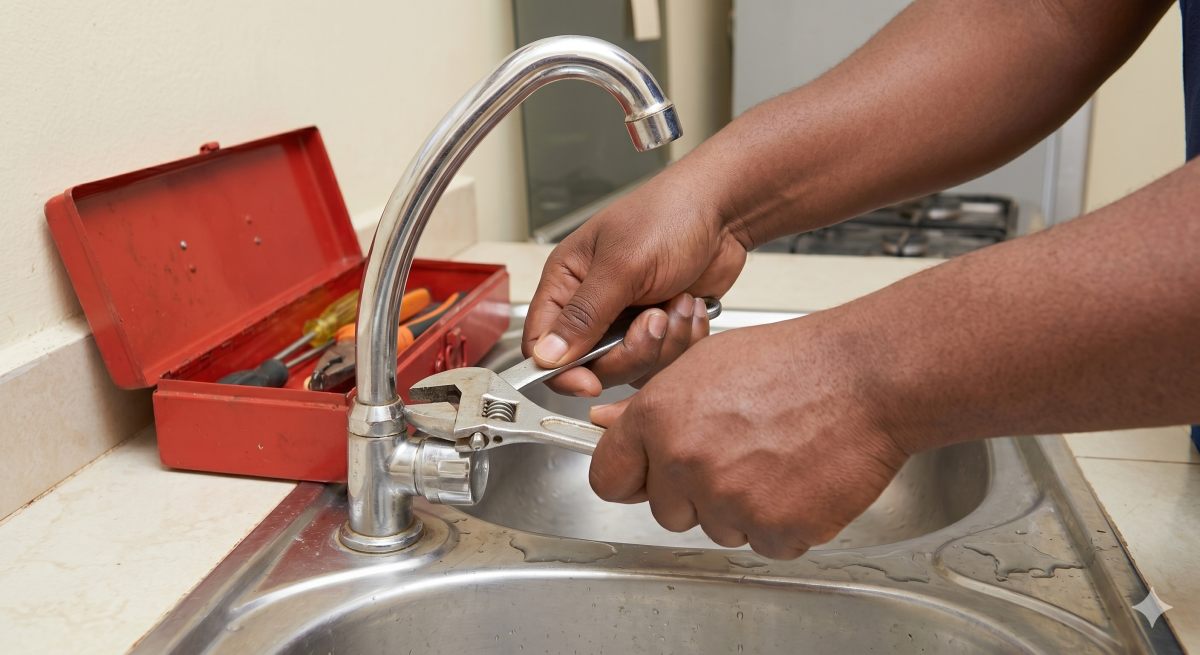
Basic repairs (replacing a washer, re-grouting a tile, touching up a scuffed wall) are learnable from free online tutorials and save the Ksh 500–2,000 call-out cost that quietly adds up across a year.
None of these changes needs to be dramatic. They are the small efforts that most households overlook precisely because each one feels minor.
Combined, they can realistically return between Ksh 3,000 and Ksh 8,000 to the family budget every month – money that stays in the house, not in someone else’s pocket.