Advertisement
‘Sachet economy’ – Why buying small doesn’t always mean losing money
03rd September, 2026 01:59 PM
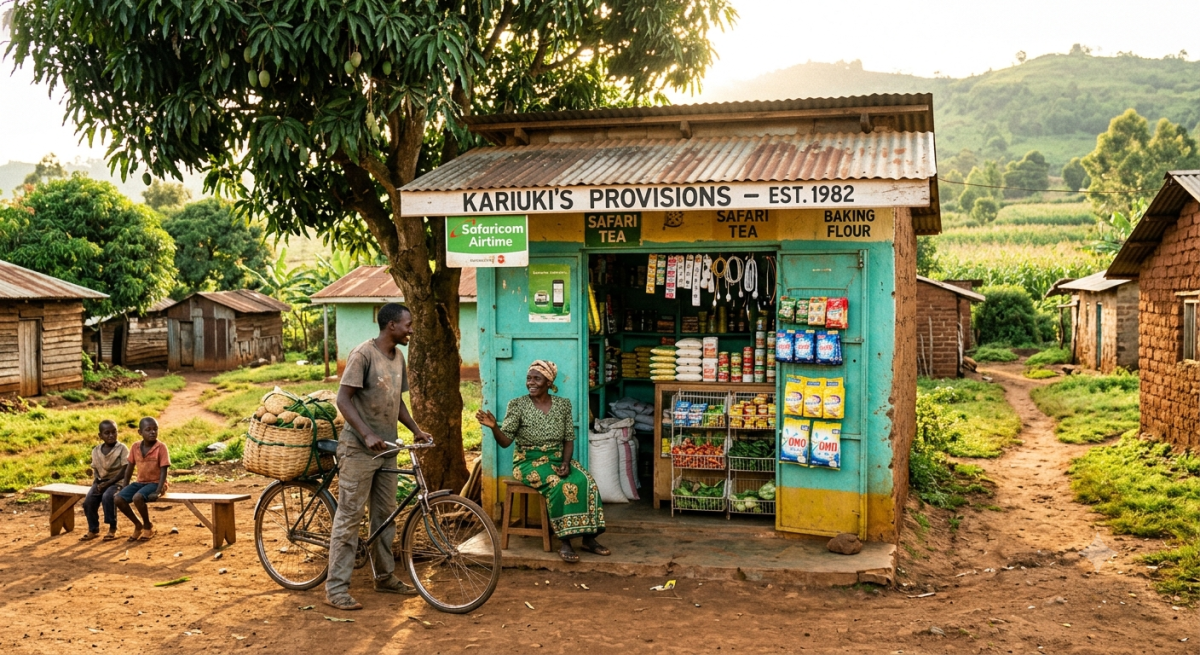
Walk into any kiosk in Kenya and you will find sugar sold by the tablespoon, cooking oil in small sachets, and unga in one kilogram packs instead of two.
On paper, buying bigger amounts should always save money, since the price per unit tends to drop the more you buy.
Yet millions of Kenyans still choose the smaller pack, and it is not always about poor planning.
Why cash flow beats price per unit
The bigger pack is only a bargain if you have the cash to buy it in the first place. For someone paid daily, weekly, or per trip, like a boda boda rider or a mama mboga, that lump sum rarely exists on a Tuesday afternoon.
Buying small is often the only option that fits the money actually in hand.
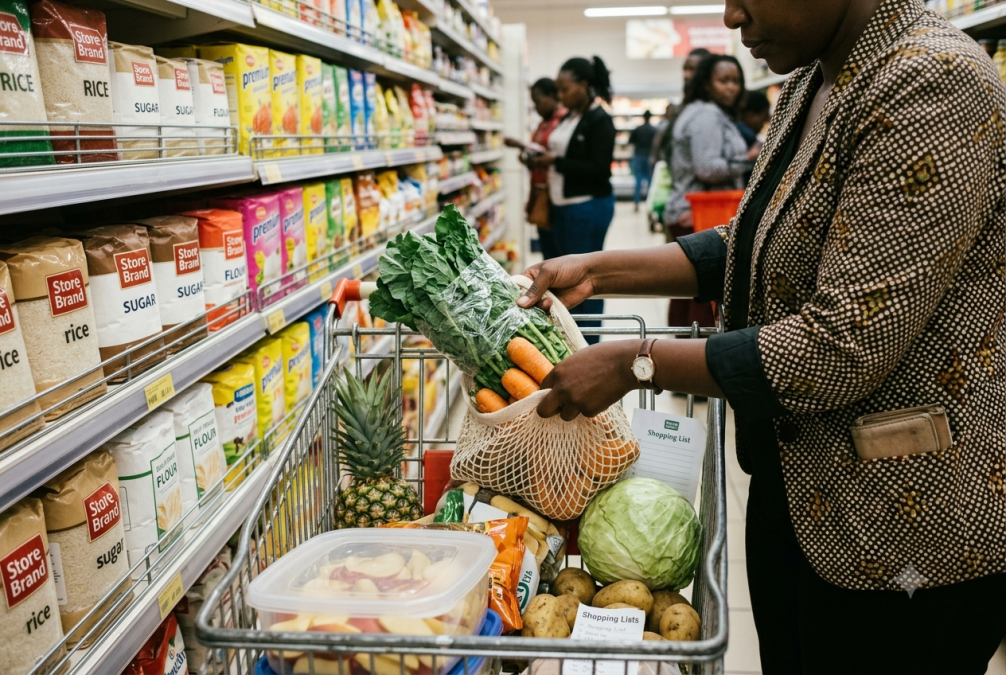
Research backs this up. A study published in the Journal of Marketing Research by A. Yesim Orhun and Mike Palazzolo, using years of household shopping data, found that “although households with limited financial resources stand to benefit the most from these strategies, they are less likely to make use of them.”
In other words, the people who need bulk discounts the most are the least able to use them, not because they do not understand the maths, but because the cash is not there when the deal is.
This pattern shows up everywhere locally. Prepaid electricity tokens, small cooking gas refills, and daily data bundles all carry a higher cost per unit than their bulk equivalents.
Choosing them is rarely about ignorance. It is about matching spending to income that comes in small, unpredictable amounts.
When small packs actually make sense
Buying small is not always a loss, either. A sachet of cooking oil used up in one sitting means nothing spoils and nothing sits half finished on a shelf.
Smaller portions also mean less waste for households without fridges or proper storage, and they let people try a product before committing money to a bigger pack.

For someone stretching Ksh200 to the end of the week, flexibility can matter more than a lower unit price that requires money they do not have yet.
The sachet economy, then, is less a sign of bad budgeting and more a reasonable response to how income actually arrives for many households.
Bulk buying saves money on paper. Buying small keeps the budget standing.