Advertisement
How digital taxi drivers are making money today
03rd June, 2026 01:17 PM
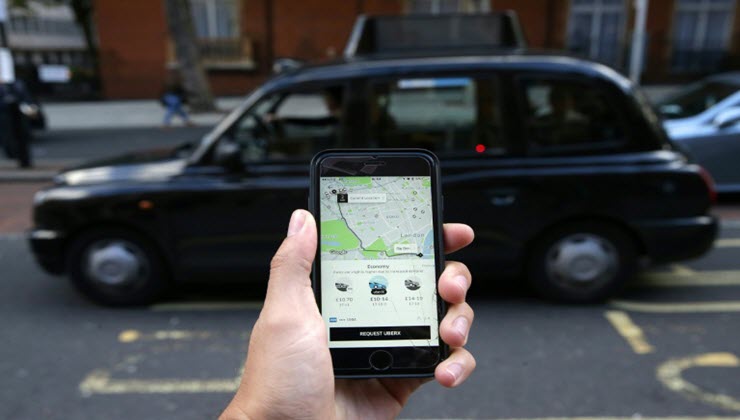
The emergence of digital taxi has been among the most obvious trends associated with how people are currently generating income in urban settings. As a result of the emergence of ride-hailing platforms, many taxi drivers have shifted from traditional taxi operations to using digital methods, which link them with passengers through online platforms.
From the information available at the Kenya National Bureau of Statistics regarding transport, the big economy in the transport sector is continuously growing.
The shift to digital work
Digital taxi driving has changed how transport services operate. Instead of waiting at stages or relying on physical bookings, drivers now depend on mobile applications that match them with passengers in real time. A 2025 mobility report by Uber highlighted that digital platforms have improved trip frequency by reducing idle time between rides.
This means drivers can complete more trips in a day compared to traditional taxi systems. Industry analysis by Statista also notes that app-based transport has grown steadily in Africa due to rising smartphone use and digital payment systems. For many drivers, this shift has created new opportunities for flexible working hours, allowing them to choose when to be online and when to rest.
What influences daily earnings for drivers
Earnings for digital taxi drivers vary depending on several factors. These include the number of trips completed, distance covered, peak-hour demand, and location. During busy morning and evening hours, drivers often earn more due to increased demand.

Reports from ride-hailing platforms show that surge pricing during peak times can significantly boost daily income. However, earnings are not fixed, and drivers often experience fluctuations depending on weather, holidays, and fuel prices. Some drivers also increase their income by operating across multiple platforms, switching between apps to find more trip requests.
Costs and competition
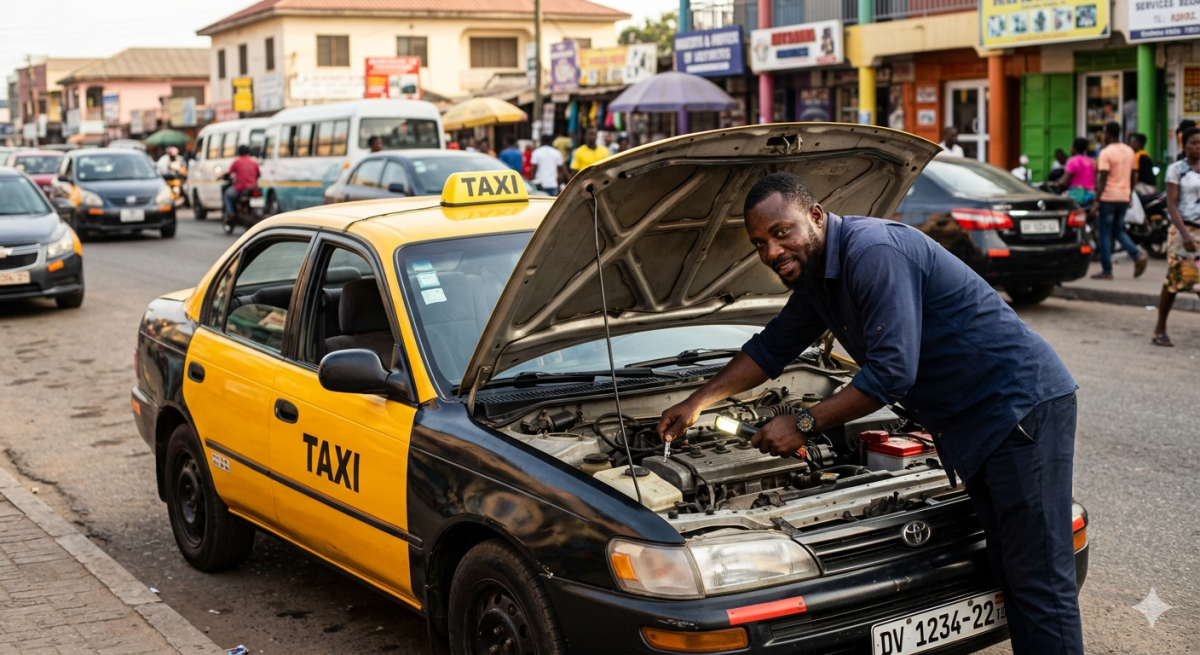
While earnings may appear steady, drivers also face several operating costs. Fuel, vehicle maintenance, insurance, and platform commission fees reduce the final amount taken home. According to transport sector studies, commissions charged by digital platforms can range between 15 per cent and 25 per cent per trip, depending on the company and region.
Rising fuel prices also continue to affect profitability. Despite these challenges, many drivers still prefer digital taxi work due to its flexibility and predictable access to customers. However, competition among drivers has increased as more people join the sector, leading to longer waiting times in some areas.
Overall, digital taxi driving remains a growing source of income for many urban workers. While it offers flexibility and access to a large customer base, earnings depend heavily on strategy, timing, and cost management.