Advertisement
Mistakes to avoid when baking a birthday cake
17th May, 2026 11:40 PM

Baking a birthday cake at home has become increasingly popular for birthdays, parties and family celebrations.
However, many home bakers still struggle with cakes that turn out dry, flat, burnt or uneven.
Most of these problems are not caused by complicated recipes, but by small baking mistakes that affect texture, rise and taste.
Understanding common cake baking mistakes and how to avoid them can significantly improve your results.
Incorrect measurements
One of the most common baking mistakes is using wrong or estimated measurements.
Cake baking is highly sensitive because ingredients interact chemically during mixing and baking.
Too much flour can make a birthday cake dry, dense and heavy.
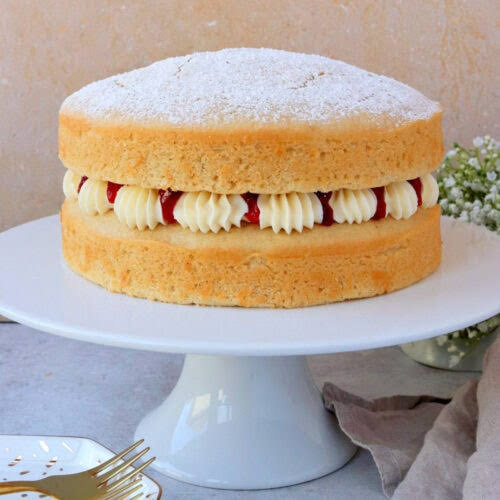
Too much liquid such as milk or water can make the batter runny and prevent proper structure.
Even small variations in baking powder or baking soda can affect how well the cake rises.
For accurate baking results, use proper measuring cups or a digital kitchen scale instead of guessing quantities.
This is especially important for sponge cakes and layered birthday cakes that require a light texture.
Overmixing cake batter
Overmixing is another major reason why cakes fail to turn out soft.
Once flour is added to wet ingredients, mixing too much develops gluten, which makes the cake chewy and dense instead of light and fluffy.
A good rule in baking is to mix just until ingredients are combined. The batter does not need to be perfectly smooth. Small lumps are normal and usually disappear during baking.
This mistake is very common among beginners who assume more mixing means better results.
Wrong oven temperature
Incorrect oven temperature is one of the top causes of failed birthday cakes. If the oven is too hot, the cake may rise too quickly, crack on top or burn on the outside while remaining raw inside.
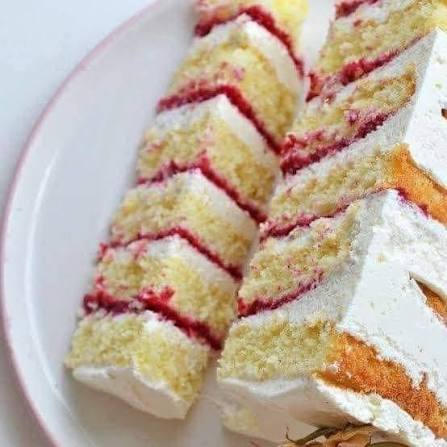
If the temperature is too low, the cake may not rise properly and can turn out flat.
Preheating the oven is also essential. Placing cake batter in a cold oven disrupts the rising process and affects the final structure of the cake.
Using an oven thermometer can help ensure accurate baking temperature, especially in home ovens that are not always precise.
Opening the oven too early
Opening the oven door too early is a common baking mistake that affects cake structure. When the oven door is opened during early baking, heat escapes quickly, causing the cake to collapse or sink in the middle.
It is best to avoid opening the oven until at least two thirds of the baking time has passed. At that stage, the cake structure is more stable and less likely to be affected by temperature changes.
Using expired or inactive baking ingredients
Cake quality depends heavily on ingredient freshness. Baking powder, baking soda, yeast and even flour can lose effectiveness over time.
If baking powder is expired, the cake may not rise properly. Old flour can also affect taste and texture.
Always check expiry dates and store baking ingredients in airtight containers in a cool, dry place to maintain their quality.
Poor preparation of the baking pan
Failing to properly prepare a baking pan can lead to cakes sticking, breaking or tearing when removed.
A well prepared cake pan ensures smooth release and maintains the shape of the cake. Most bakers use butter and flour or baking paper to prevent sticking.
This step is especially important for layered birthday cakes or decorated cakes where presentation matters.