Advertisement
World Humanitarian Day: Healthcare workers’ struggle with burnout, stress and trauma
19th August, 2026 07:42 AM

As the world marks World Humanitarian Day on August 19, 2026, attention often turns to people delivering aid during wars, disasters and other crises. Behind these efforts are healthcare workers who face many of the same dangers, pressures and emotional wounds as the communities they serve.
Healthcare workers operating in crisis settings often work under relentless pressure. Long hours, staff shortages, limited medical supplies, exposure to death and serious injuries, and concerns about their own safety and families can create an overwhelming psychological burden.
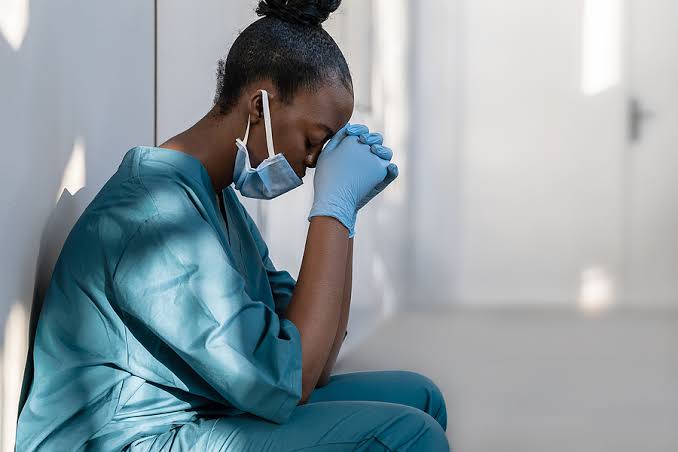
The World Health Organization (WHO) has highlighted how health workers in conflict settings can experience fear, difficulty sleeping, intrusive memories and emotional distress.
Repeated exposure to suffering can also lead to secondary trauma, particularly among workers who regularly care for people affected by violence, displacement and disasters.
Stress behind the frontline
Another major concern is burnout. WHO describes burnout as a result of chronic workplace stress that has not been successfully managed. It can involve exhaustion, increased mental distance from work and reduced professional effectiveness.
For healthcare workers, burnout may develop gradually. A worker who initially feels motivated to help may begin experiencing constant fatigue, emotional detachment, frustration or difficulty concentrating.
In demanding humanitarian environments, where there may be little opportunity to recover between emergencies, these pressures can become especially difficult to manage.
The impact can extend beyond individual workers. Prolonged stress can contribute to absenteeism, staff turnover, reduced job satisfaction and difficulties maintaining quality patient care. When healthcare systems are already stretched, losing experienced workers can place even greater pressure on those who remain.
Supporting healthcare workers should therefore be treated as an essential part of humanitarian response. Measures such as adequate staffing, reasonable working hours, rest periods, psychological support, peer networks and supportive supervision can help workers cope with demanding environments.
Healthcare workers need support
Mental health support should also be normalised. Healthcare workers should be able to seek professional help without feeling that doing so makes them weak or less capable of performing their duties.
On World Humanitarian Day, recognising healthcare workers means more than celebrating their courage and commitment. It also means acknowledging the emotional cost of their work and asking whether the systems around them are doing enough to protect their wellbeing.

Humanitarian workers dedicate themselves to protecting others. They also deserve workplaces that protect them, support their mental health and allow them to recover from the experiences they encounter while serving others.