Advertisement
You don’t have to like the same things: Why couples are learning to adapt instead of change each other
18th August, 2026 12:26 PM

In relationships, differences are often treated as problems that need to be fixed. One partner may love going out while the other prefers staying home. One may enjoy socialising, while the other values quiet evenings. Even differences in music, food, hobbies, spending habits or entertainment can become sources of disagreement. However, more couples are discovering that a healthy relationship does not require two people to become the same.
Instead of trying to change their partners, couples are increasingly learning the value of adaptation. This does not mean pretending to enjoy everything the other person likes. It means understanding that two people can have different interests while still building a fulfilling life together.

Different tastes, shared love
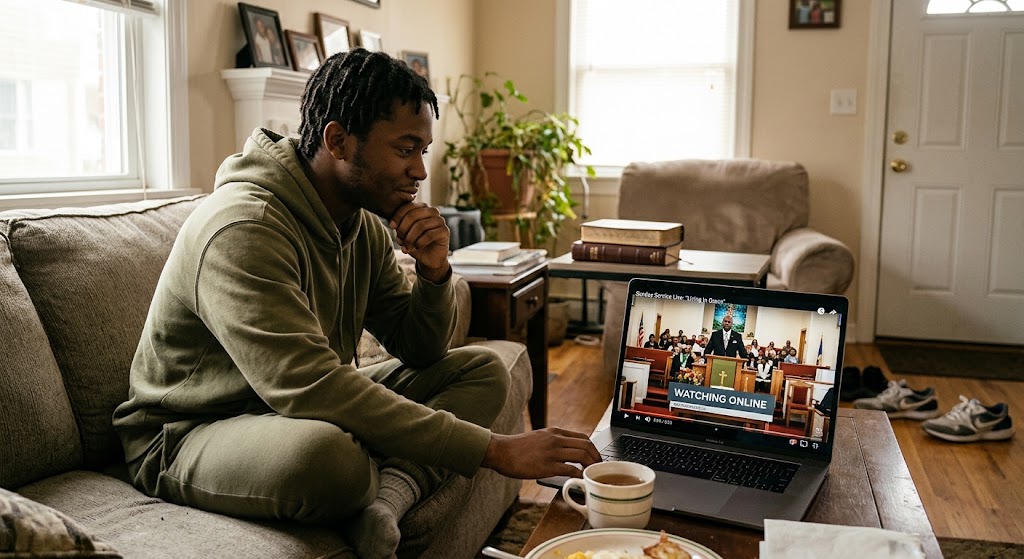
For instance, a partner who loves football does not necessarily need the other to become a football fan. They can agree on how much time is spent watching matches while allowing each person to enjoy their own interests. Similarly, one person can attend social events without expecting their quieter partner to accompany them every time.
This approach can also create healthier independence within relationships. Couples who maintain individual hobbies and friendships may avoid the feeling that they have to do everything together. Having personal space can give partners something new to bring into their shared conversations and experiences.
Adaptation also requires compromise. If one partner enjoys travelling and the other dislikes frequent trips, they can find a middle ground rather than forcing either person to completely change. They might agree on fewer trips, choose destinations that suit both of them or occasionally pursue separate activities.
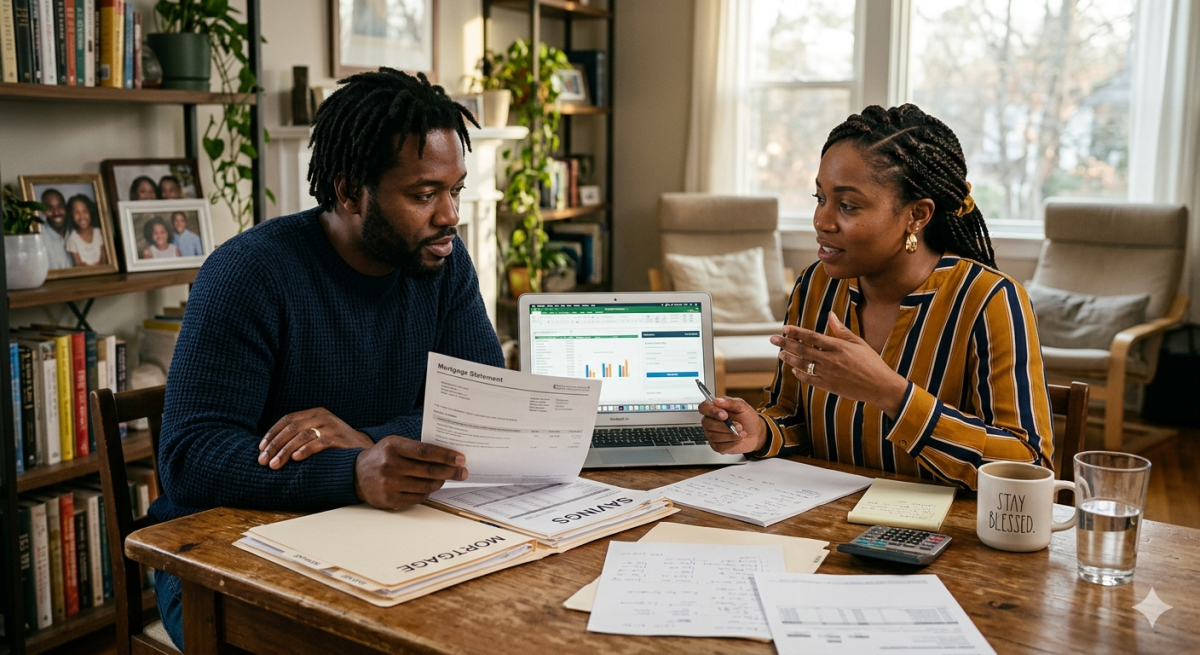
The bigger lesson is that compatibility does not necessarily mean having identical personalities or preferences. It can mean having enough respect and communication to accommodate differences.
Trying to change a partner can eventually create resentment, especially when someone feels their personality is constantly being criticised. Acceptance, on the other hand, allows people to feel valued for who they are.
Of course, adaptation should not mean tolerating disrespect, dishonesty or behaviour that causes genuine harm. Healthy compromise has limits. But when the disagreement is simply about preferences, couples may find that giving each other room to be different makes the relationship stronger.
Sometimes, loving someone means accepting that their favourite things do not have to become yours.