Advertisement
Zuchu’s baby celebration: 5 post-pregnancy events that define Muslim motherhood
13th September, 2026 09:58 AM
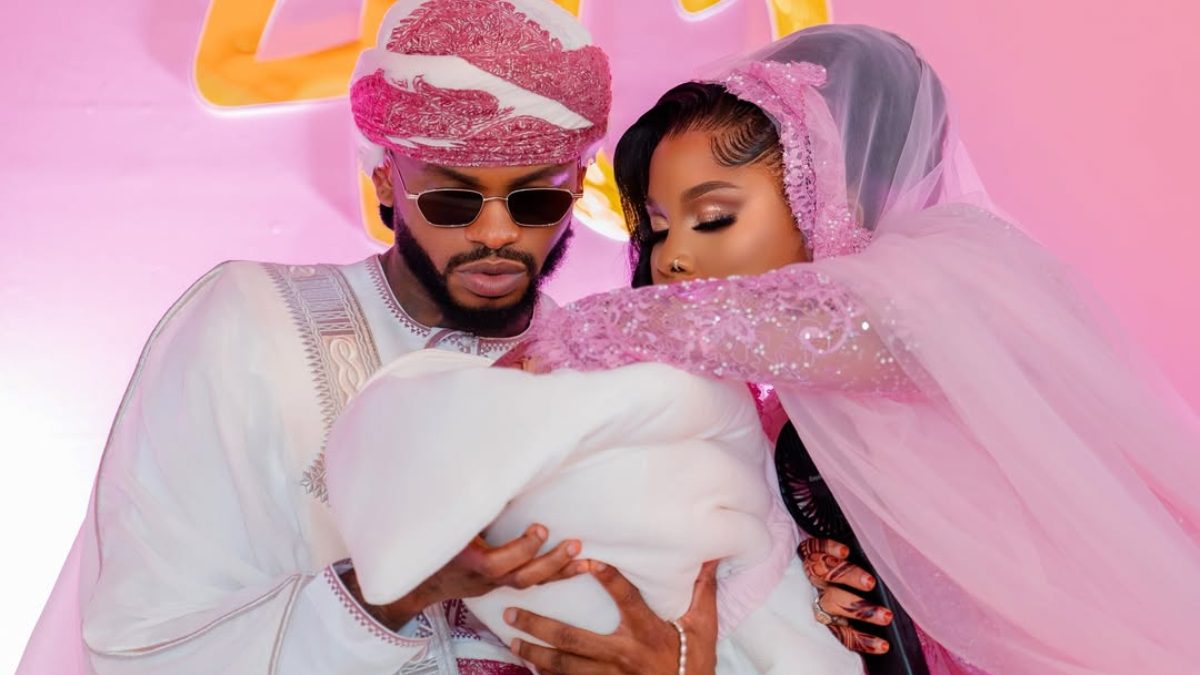
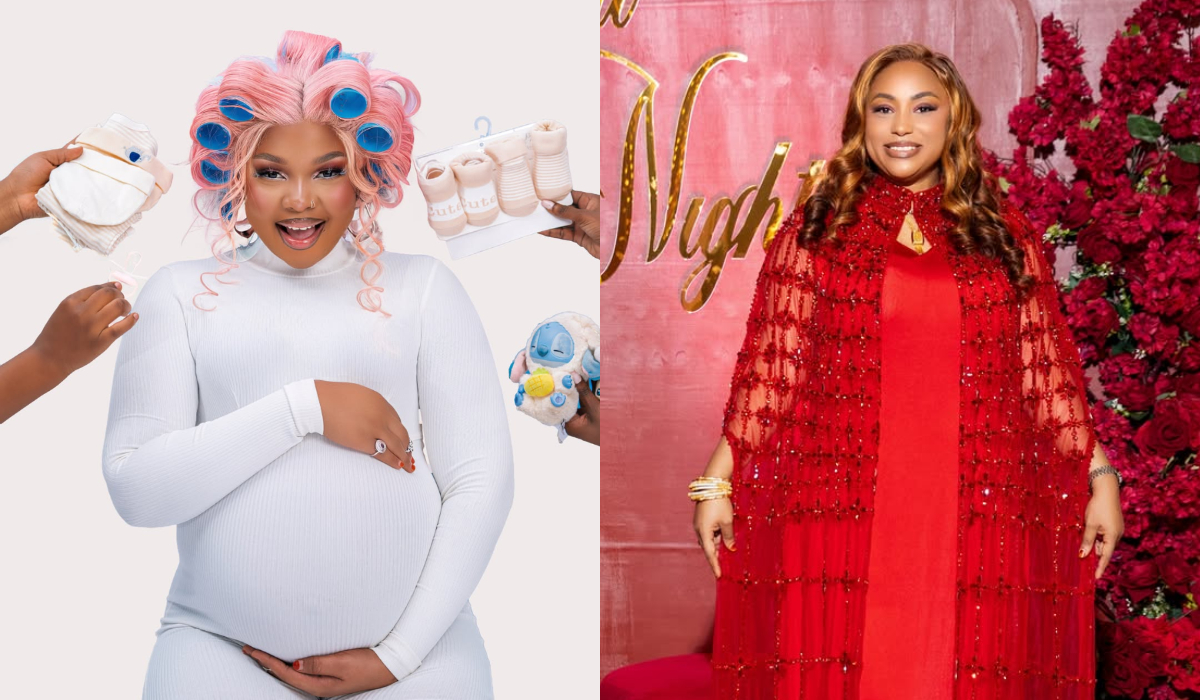
When Tanzanian music icon Zuchu celebrated the arrival of her newborn, the global Muslim community tuned in to witness a beautiful blend of faith, culture, and sisterhood.
Her high-profile festivities shone a bright spotlight on the deeply rooted traditions that follow childbirth in Islamic and East African cultures. From sacred whispers to vibrant gatherings, Muslim motherhood is defined by a distinct sequence of post-pregnancy milestones designed to bless the child and protect the mother.
However, Zuchu’s celebration also highlights an evolving reality: in modern days, not all mothers follow these traditions to the letter. Fast-paced lifestyles, geographic distance from extended family, and changing personal preferences mean many modern Muslim moms take a hybrid approach.
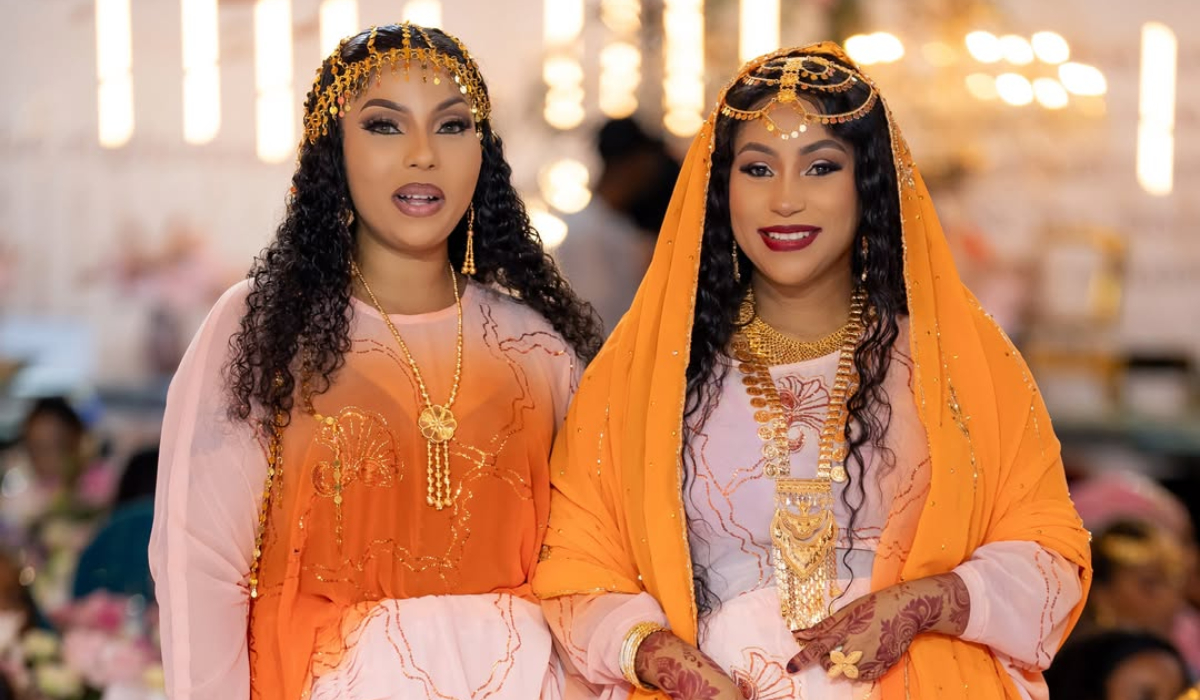
Some may shorten the strict physical isolation or choose a stylish, intimate dinner over a massive feast. Yet, the essence of these five milestones remains a beautiful blueprint for welcoming new life.
1. The first whispers (Adhan)
The journey begins immediately after birth in the delivery room. Traditionally, the father or a close elder whispers the Adhan (the call to prayer) into the newborn’s right ear.
This profound ritual ensures that the very first words a child hears in this world are a declaration of faith, divine love, and spiritual protection.
2. The seventh-day milestones (Aqiqah)
By the seventh day, the family transitions into the Aqiqah, a joyful combination of charity and celebration. The baby’s head is shaved, and the equivalent weight of the hair is given to the poor in silver or gold. An animal is sacrificed, and a large feast is hosted to share the meat with family, neighbours, and the underprivileged.
3. The 40-Day rest period (Nifas)
Following the initial rituals, the focus shifts entirely to the mother’s recovery through a strict 40-day resting window. In Islamic tradition, a new mother is completely exempted from ritual prayers and fasting. Culturally, this is a time of pampered isolation where maternal relatives take over household chores, ensuring the mother does nothing but heal and bond.
4. The postpartum henna party
As the recovery period wraps up, the community honours the mother with a vibrant, all-female gathering. Often held around the 40th day, this event functions like a post-birth bridal shower.
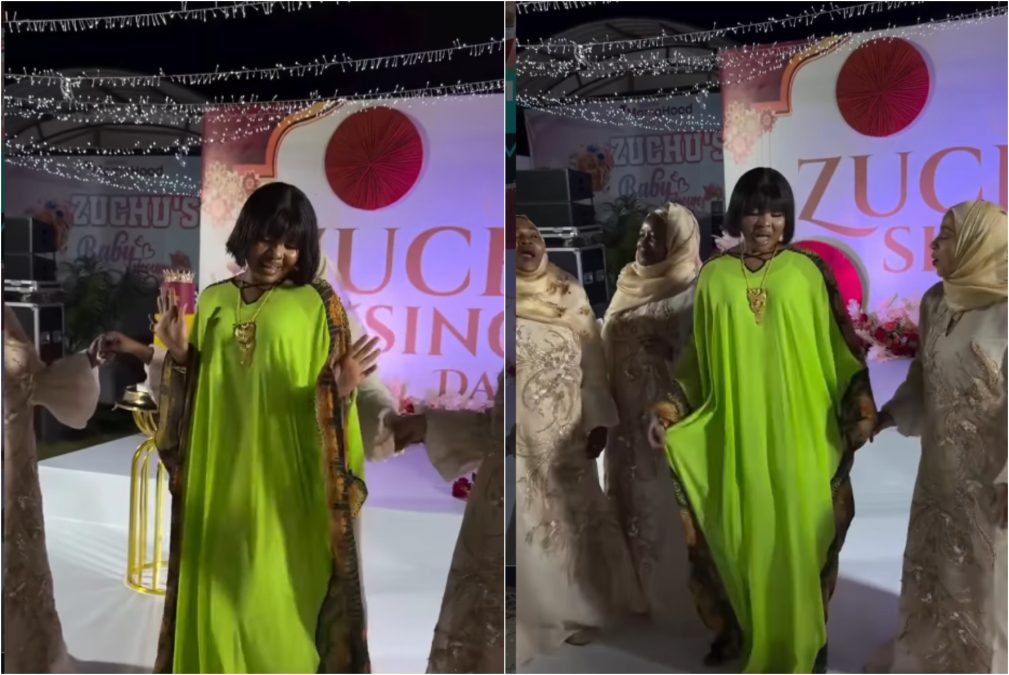
Women gather to apply intricate henna designs on the new mother, sing traditional songs, and shower her with jewellery and clothing.
5. The cradle ceremony (Chilla)
The postpartum journey culminates in a grand cultural reveal where the baby is officially introduced to the extended family. The infant is dressed in formal attire and placed into a lavishly decorated bassinet or cradle for the first time. This event serves as the mother’s official “re-entry” into social life, celebrated with music, gifts, and community blessings.