Advertisement
What makes an age-gap relationship work over time
17th September, 2026 01:40 PM

Age differences in romantic relationships often trigger endless commentary from relatives, friends, and passers-by. However, the true strength of any partnership relies on what happens behind closed doors, away from public opinion.
When two people are at noticeably different points in life, the main challenges rarely stem from the age numbers themselves. Instead, they come down to daily communication, shared goals, and how well both partners handle major life shifts together.
Aligning life stages and financial priorities
One of the biggest adjustments in an age-gap relationship involves coordinating different life phases. A younger partner may be building a career, establishing financial independence, or considering having children.
Meanwhile, an older partner might be consolidating wealth, scaling back work commitments, or planning for retirement.
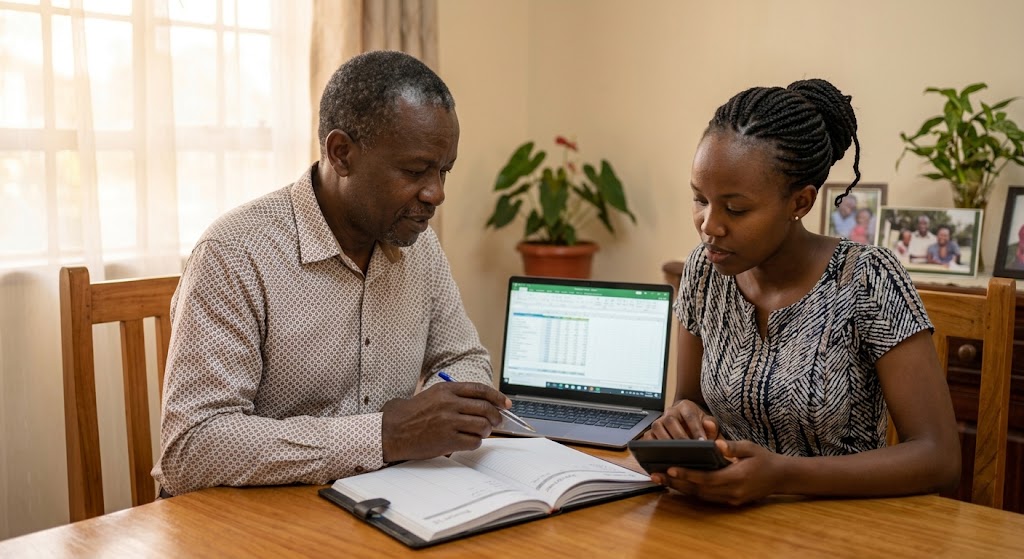
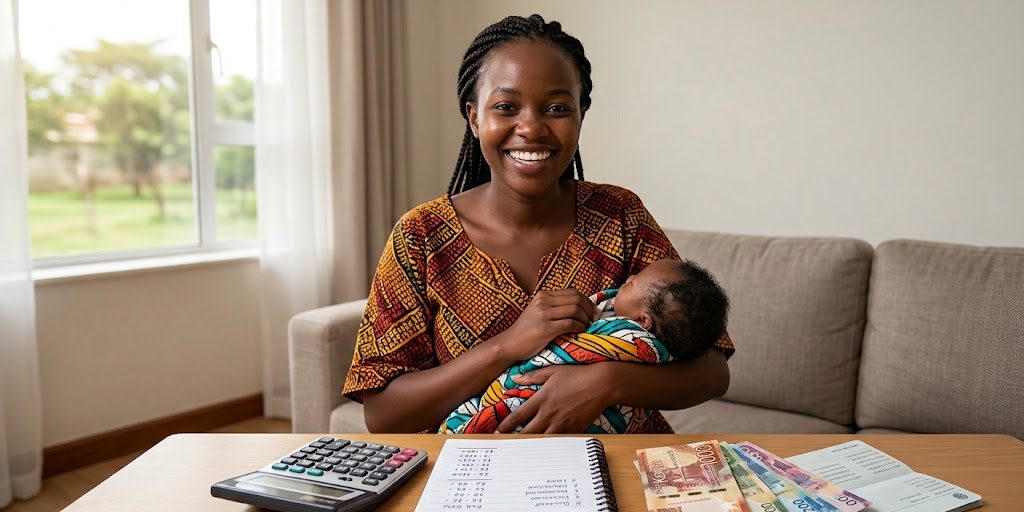
These differing priorities can create friction if couples avoid frank conversations about money and long-term commitments. Research supports this.
A study on marital satisfaction published in the Journal of Population Economics revealed that “differently-aged couples are less resilient to negative shocks compared to similarly-aged couples” when unexpected financial or personal crises occur.
To build stability, partners must discuss budgets, long-term savings, and family choices openly.
Treating financial decisions as a shared team effort ensures both individuals feel secure, regardless of who currently earns more or has accumulated more assets.
Balancing decision-making and mutual respect
Another critical factor is maintaining a balanced dynamic between both partners. Greater life experience can sometimes lead an older partner to assume a parental role, offering unsolicited advice or making decisions single-handedly.

Remarks like “you will understand when you get to my age” can quietly undermine trust and make the younger partner feel dismissed.
Healthy couples guard against this pattern by treating each other as equal partners. Experience is valuable, but so is a fresh perspective. Both partners need space to express their viewpoints, pursue independent careers, and maintain their own social circles.
When couples address power differences directly, respect each other’s personal growth, and make major decisions together, the age difference becomes far less significant.
Sustainable relationships do not depend on matching birth years. They thrive when two people show up every day with honesty, patience, and mutual commitment.