How to avoid unnecessary questions when watching World Cup with your partner
By Katemarthason Okudo, June 7, 2026The World Cup is meant to bring excitement, shared emotions, and late-night entertainment as fans gather around the screen. However, for many couples, it can also become a moment filled with repeated questions, interruptions, and misunderstandings about what is happening on the pitch.
According to insights shared by sports viewership studies from FIFA and general relationship communication research, shared viewing experiences can either strengthen bonds or create tension, depending on how people engage. The key lies in balancing curiosity with awareness so that both partners enjoy the match without unnecessary disruptions.
Set expectations before kick-off
One of the simplest ways to avoid constant questioning is to agree beforehand on how the match will be watched. Relationship communication experts, as noted in various counselling guides, suggest that setting expectations helps reduce frustration. This can include deciding whether explanations will be given during halftime or after the match instead of during key moments.
Shared activities become more enjoyable when both people understand the level of engagement expected from each other. This approach ensures that one partner is not overwhelmed while the other feels ignored.

Manage emotional reactions during the match
Football is emotional, and reactions can sometimes trigger questions rather than understanding. Moments like penalties, fouls, or VAR decisions often confuse viewers who are not deeply familiar with the sport. However, psychologists studying group behaviour in sports viewing note that emotional spikes are not always the best time for clarification.
Instead of asking questions during tense moments, it helps to wait until the replay or break. Research published in social behaviour studies highlighted that people retain information better when they are not emotionally distracted. This reduces repeated questions and keeps the viewing experience smoother.
Use shared engagement, not interrogation
Watching together should feel like teamwork, not a commentary session. According to relationship communication advice from counselling platforms, asking too many questions in quick succession can make the other partner feel like they are giving a lecture rather than enjoying the game.
A more balanced approach is to observe together and discuss key moments briefly. Simple shared reactions, such as celebrating a goal or reacting to a foul, naturally replace the need for constant questioning. This also aligns with FIFA’s viewership engagement reports, which show that shared emotional responses improve the enjoyment of live matches.
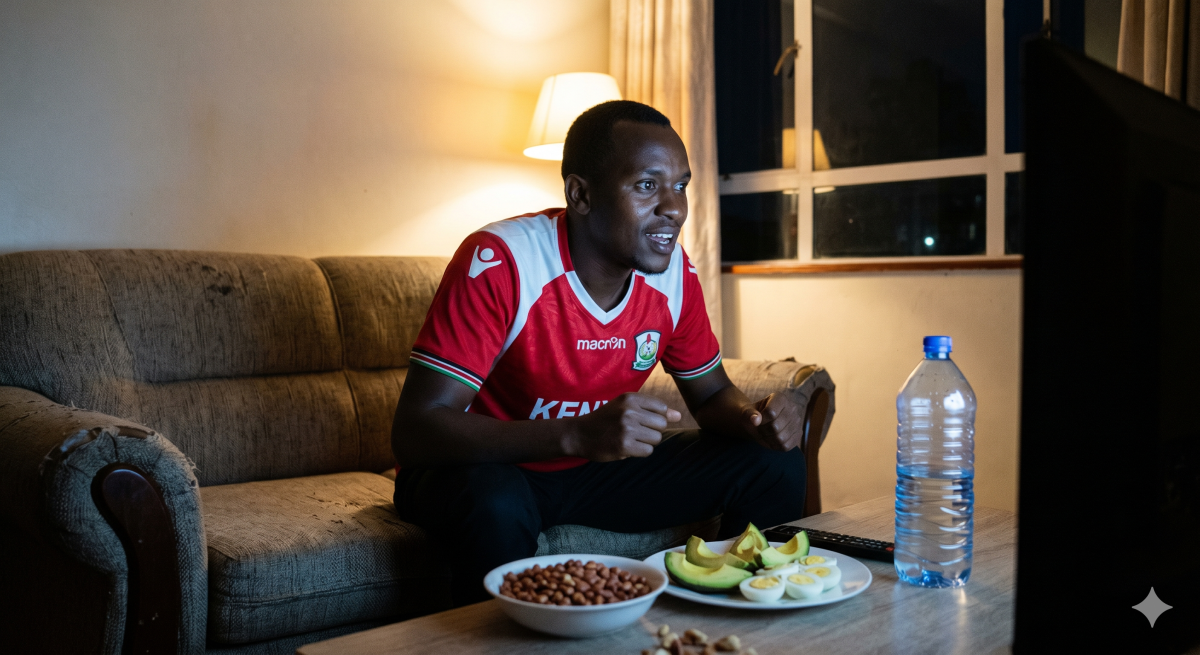
When questions become too many
If interruptions become frequent, it may help to gently redirect the conversation. Experts in communication recommend using calm reminders rather than frustration. Taking short breaks during halftime or between matches can also help explain rules or clarify confusion without affecting live viewing.
It is not the question itself that creates tension, but the timing and frequency of it during shared experiences.
The World Cup is ultimately about enjoyment and shared excitement. With a little understanding, couples can avoid unnecessary interruptions and instead create a relaxed atmosphere where both partners feel included. Respecting timing, managing expectations, and embracing shared reactions can turn football nights into memorable bonding moments rather than stressful ones.