Advertisement
How to watch the World Cup with a partner who hates football
03rd June, 2026 03:57 PM
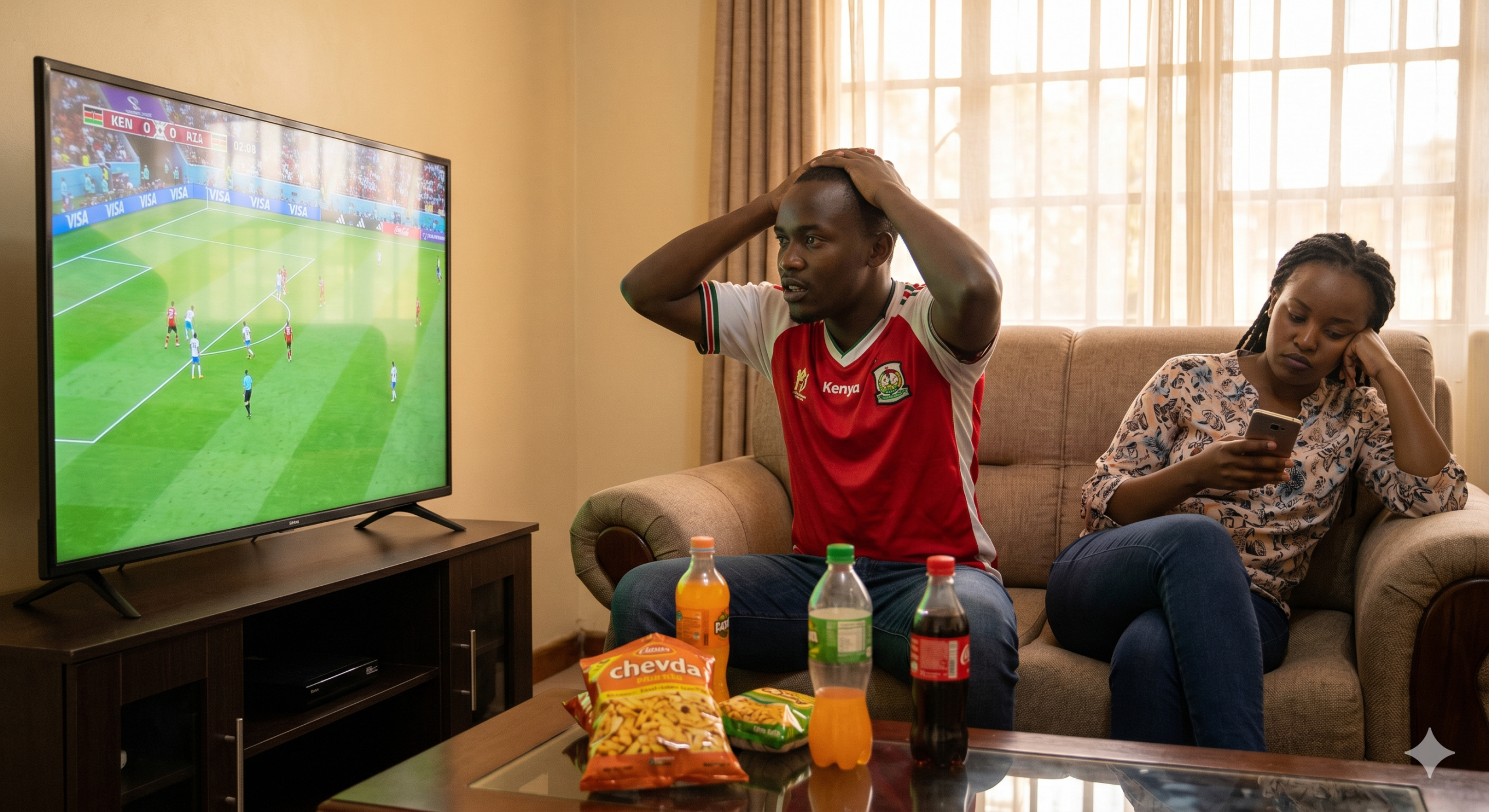
The World Cup is here, and if you are in a relationship with someone who considers a 90-minute match a form of slow torture, you already know what the next few weeks look like.
Tense negotiations over the remote. Strategic sighs from the other end of the sofa. Tactical dinner plans that somehow always land on a knockout game.
This is one of the most stressful domestic situations in football season – and also one of the most fixable, if you know what you are actually dealing with.
It is not about football
Here is what partners of passionate fans usually say when you really ask them: it is rarely the game itself that sucks. It is feeling like an afterthought.
Research published in Frontiers in Psychology found that partners of ardent sports fans often describe fandom as “a devotion that occupies a substantial portion of their lives,” but also noted that when the fan makes room for connection, the same passion “can occasionally become a shared experience.”
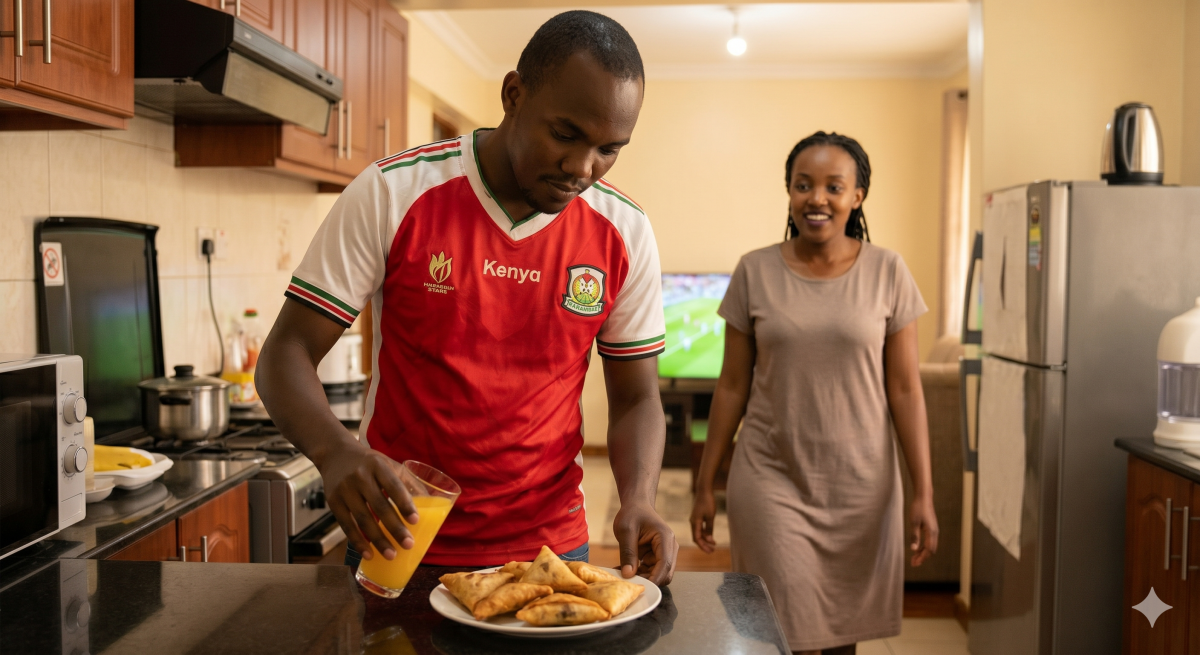
The difference between those two outcomes almost always comes down to small, deliberate gestures.
Acknowledge the imposition before you ask for anything. A simple “I know this is a lot of football. Is there something you want to do before kick-off?” costs you nothing and changes everything. It signals that your partner is a person in your life, not a scheduling obstacle.
Make the environment worth being in. If your partner does not care about the scoreline, give them a reason to sit with you anyway.
Good food, a comfortable setup, running commentary that is entertaining rather than boring, these things matter. You’re not asking them to love football. You’re asking them to love spending time with you, which is a much easier sell.
Compromise that actually works
The frameworks that hold up across a tournament are the ones built on trade rather than tolerance.
Agree upfront on how many matches you are watching per week, which ones are non-negotiable for you, and what you will show up for in return – a meal out, a film they have been waiting to see, an evening with no screens at all.
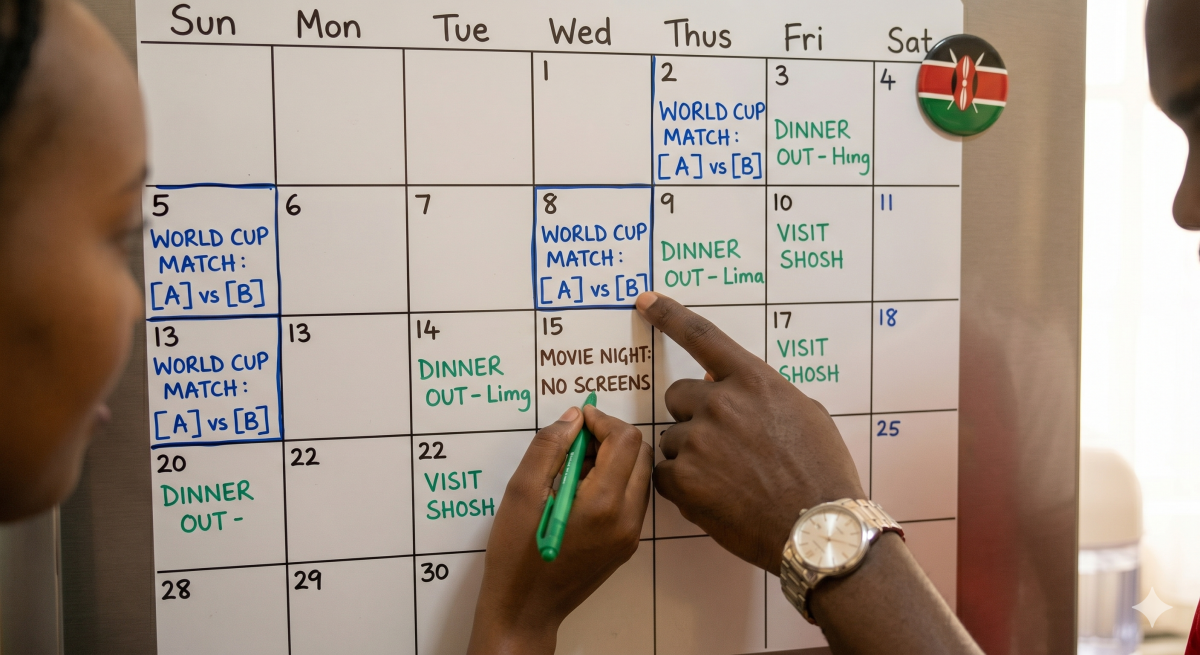
Write it down if you need to. It sounds too formal but it removes the daily negotiation, which is what actually exhausts people.
Avoid the habit of half-watching. If you have agreed to watch a match, watch it. If you have agreed to step away, step away. Lingering with one eye on your phone while technically being present is the worst of both worlds, and your partner will notice.
The World Cup happens every four years. Your relationship, hopefully, does not have an expiry date.
The fans who navigate this season well are the ones who make their partners feel like the real priority, even when the World Cup is on the screen.