Advertisement
Long walks home: Ways commuters should ease body strain amid transport disruptions
19th May, 2026 11:33 AM
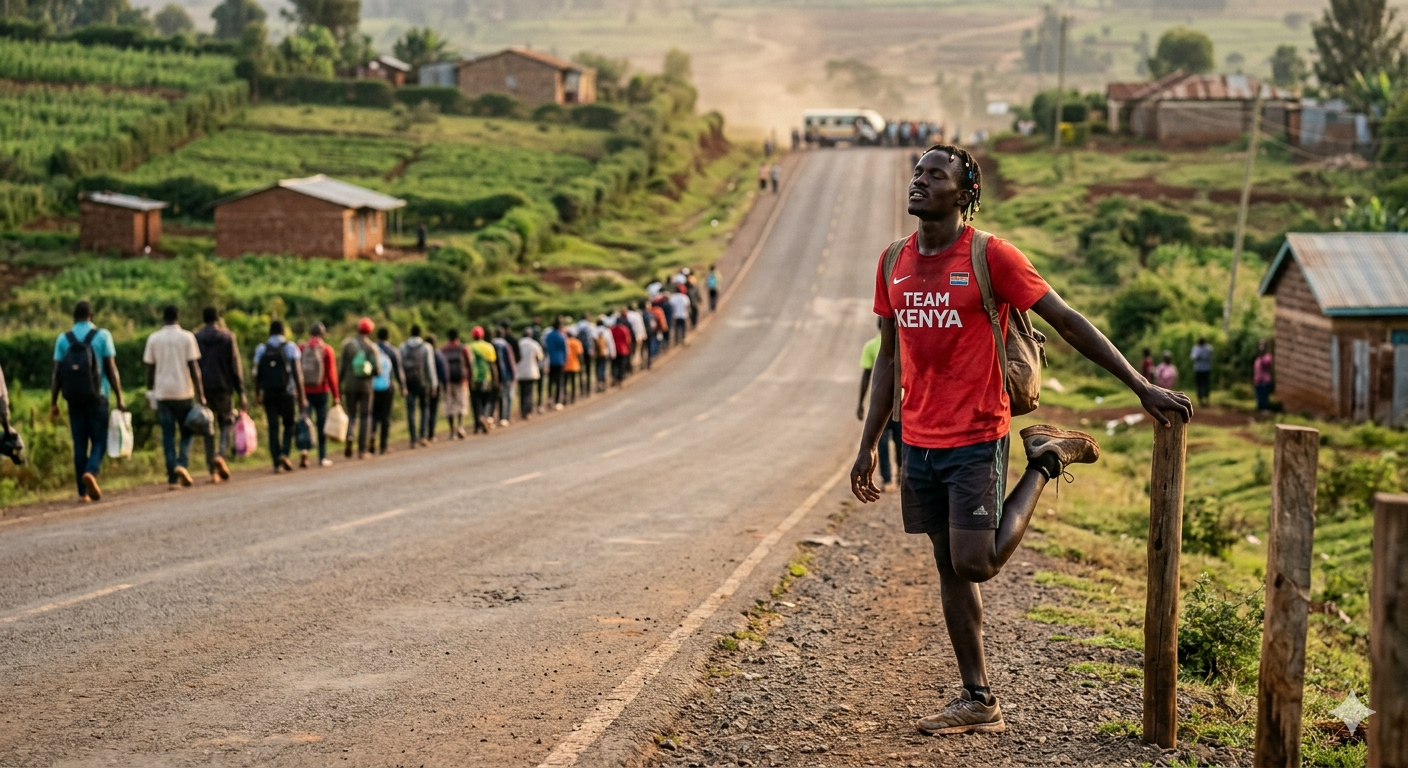
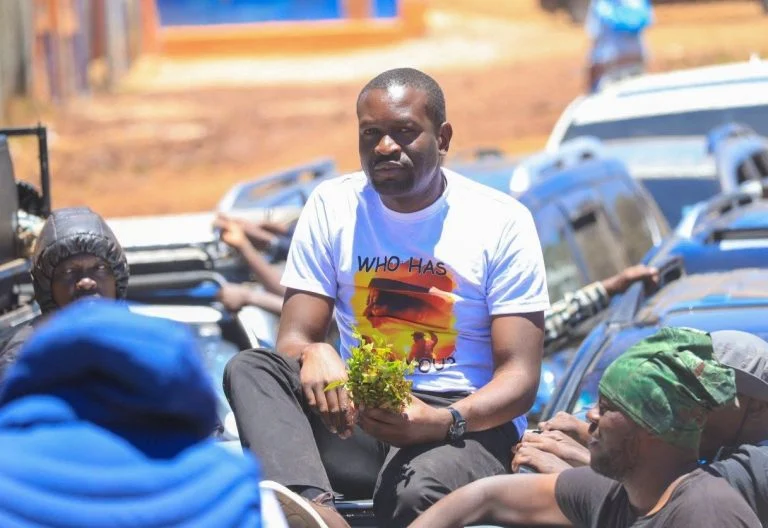
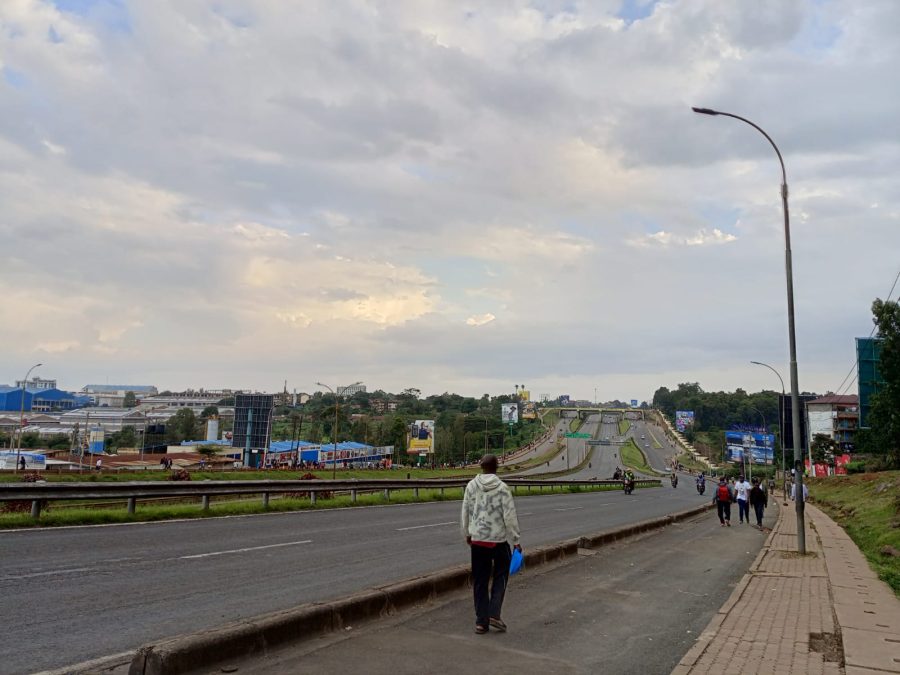
The ongoing transport disruptions in parts of the city have pushed many commuters into an unexpected routine, walking for kilometres between the city and residential areas. With matatus and buses missing from the roads during peak hours, many residents are spending hours on foot just to get home or reach workplaces.
While the walks offer a chance to save fare, they are also leaving many with sore legs, stiff lower backs, and overall body fatigue. Sudden long-distance walking without preparation can strain muscles, especially for people used to sitting most of the day in offices or businesses.
The long walks are taking a toll
For many commuters, the shift from seated travel to extended walking has come as a shock to the body. The lower back and calf muscles tend to absorb most of the pressure during long distances. According to guidance from Kenyan public health specialists, prolonged walking on hard roads can lead to muscle tightness and joint stiffness if recovery is not done properly.
When the body is not conditioned for long walks, the muscles become overworked. Without proper stretching, pain can build up in the lower back, thighs, and feet within a short time.
Simple stretches to ease the strain
Experts recommend a few basic stretches that can be done at home or even along the way after reaching home, which include:
Hamstring stretch: Sitting or standing, gently reach toward the toes to loosen the back of the thighs. Calf stretch: Leaning against a wall while extending one leg helps reduce tightness in the lower legs. Lower back twist: While lying down, gently twist your knees from side to side to relax the spine. Child’s pose stretch: Helps release pressure from the lower back after long walking hours.
According to Kenya’s Ministry of Health physical activity guidelines, regular stretching improves blood circulation and reduces muscle stiffness after extended physical exertion.
Recovering the body after long distances
Recovery is just as important as the walk itself. Drinking enough water, resting the legs on a raised surface, and avoiding immediate heavy lifting can help the body heal faster. Light massage or warm compresses are also recommended for sore muscles.
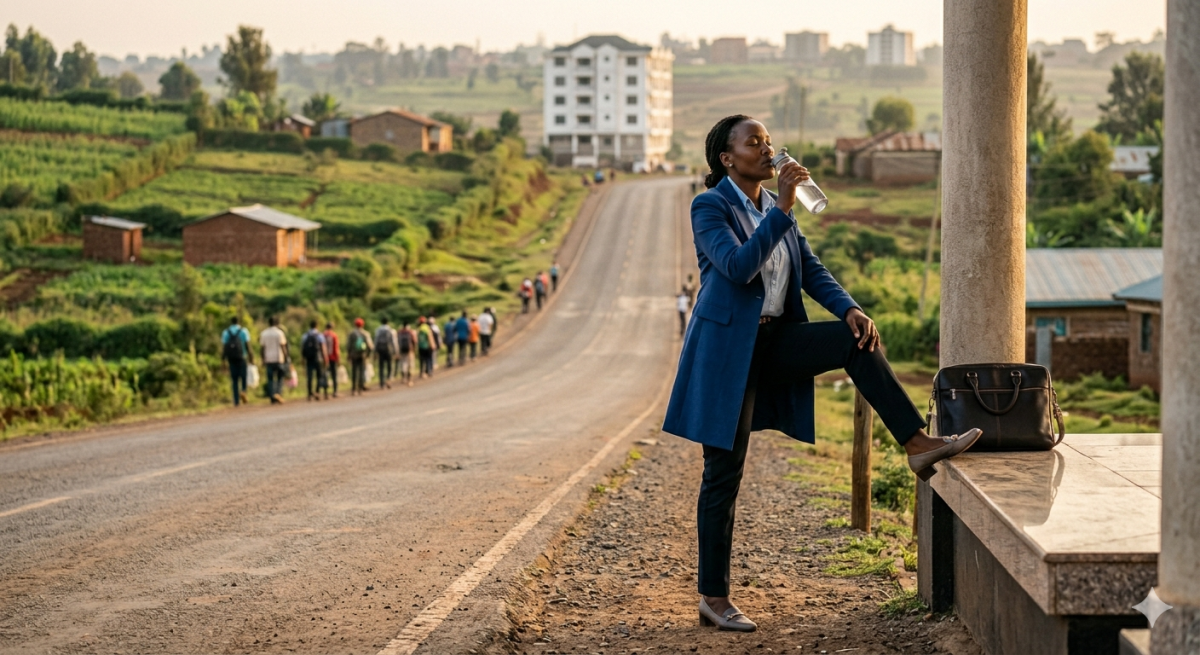
Health professionals also advise wearing comfortable footwear with good cushioning, especially during periods when walking becomes unavoidable. The World Health Organisation noted that consistent stretching and gradual activity build-up help reduce the risk of musculoskeletal injuries.
As commuters adjust to walking long distances due to transport disruptions, the physical impact is becoming more visible in everyday life. While the situation may be temporary, simple stretching routines and proper recovery habits can make a significant difference in reducing pain and preventing long-term strain.