Advertisement
What happens to your body when you start strength training
14th May, 2026 09:44 AM
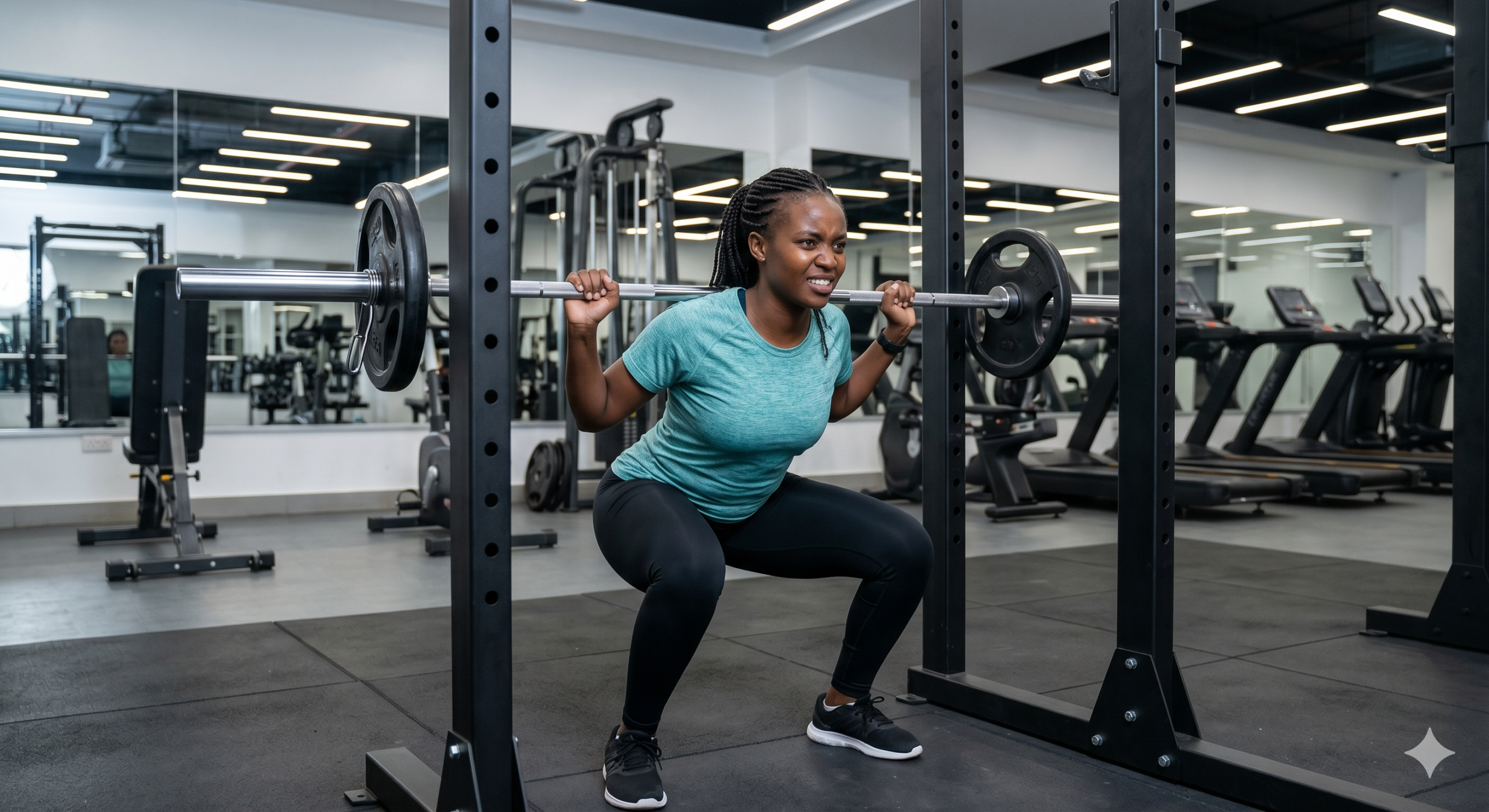
Starting strength training tends to go something like this: day one feels manageable, day two your legs have stopped working, and by day three you are questioning every decision you have ever made.
But what is actually happening inside your body during those first bruising weeks, and why does it feel worse before it gets better?
The answer is that resistance training triggers a cascade of physiological changes that unfold long before there is anything visible to show in the mirror.
They play out beneath the skin, deep in the nervous system and muscle fibres, in a sequence that most beginners never expect.
Why the first weeks feel so hard
The stiffness that settles in 24 to 48 hours after your first session has a name: delayed onset muscle soreness, or DOMS.
It happens because resistance training – particularly the lowering phase of movements like squats or bicep curls, where the muscle lengthens under load, creates microscopic damage to muscle fibres.
The body mounts an inflammatory response to repair that damage, and the resulting tenderness and heaviness can last two to three days.
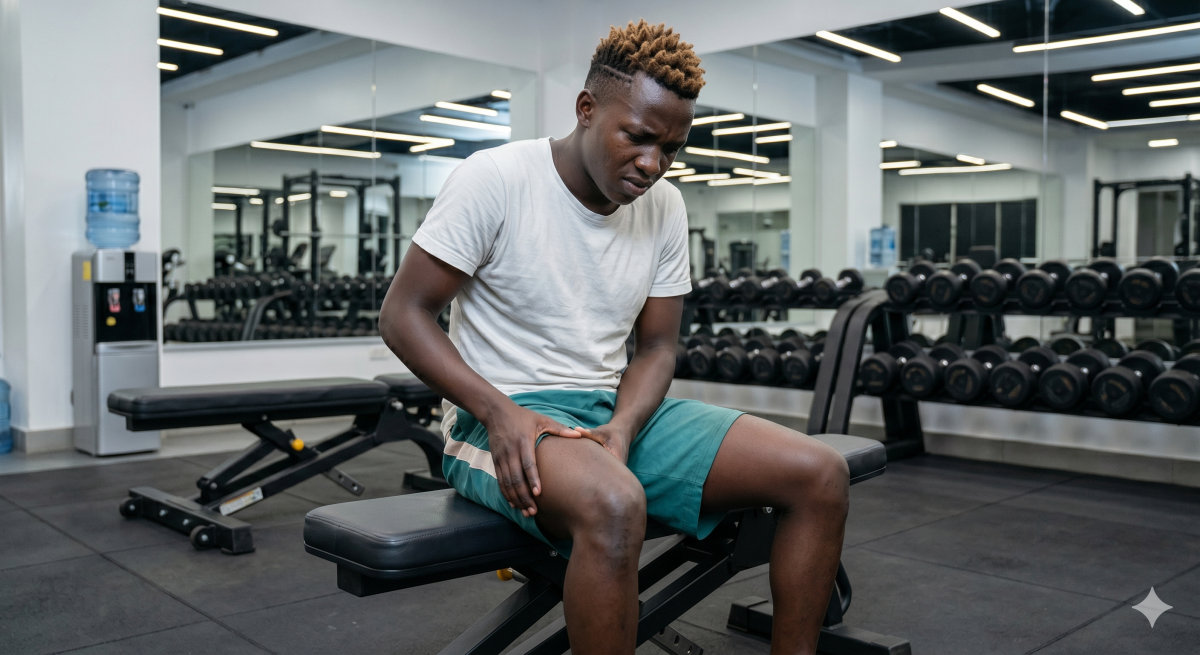
What surprises most people is that early soreness is driven as much by the nervous system as the muscles themselves.
A 2025 study published in the International Journal of Molecular Sciences describes the mechanism as “the initiating transient neural switch in the unfolding of delayed-onset muscle soreness”, meaning the very first thing that goes wrong is not a torn muscle fibre but a disruption in the nerve signals that run between the muscle and the brain.
This is because the brain and muscles are still learning to work together.
In the earliest weeks of training, the brain sends somewhat disorganised signals: activating more motor units than necessary, struggling to coordinate opposing muscle groups, firing in irregular patterns.
All of that inefficiency is exhausting, which is why even moderate weights can leave a beginner completely spent.
A 2025 review published in Frontiers in Physiology offers an encouraging way to frame this: people new to resistance training possess a “larger adaptive reserve,” meaning the body has significant untapped capacity to respond quickly to even basic training stimulus.
The pain and the inefficiency are real, but so is the ceiling. And for beginners, it is high.
When the results you came for actually begin
Around weeks three and four, something begins to shift. The weight that once left you barely walking the next morning starts to feel manageable.
This is not because you have suddenly grown larger muscles. True hypertrophy, the process by which muscle fibres increase in volume, generally takes six to eight weeks of consistent training to become measurable. What is improving is neural efficiency.
A 2023 review in the Journal of Strength and Conditioning Research found that trained individuals demonstrate “greater maximal voluntary activation, while reducing muscle activity in submaximal tasks.” In simple terms, the trained body learns to do more work with less chaos. The nervous system becomes more precise and far less wasteful.
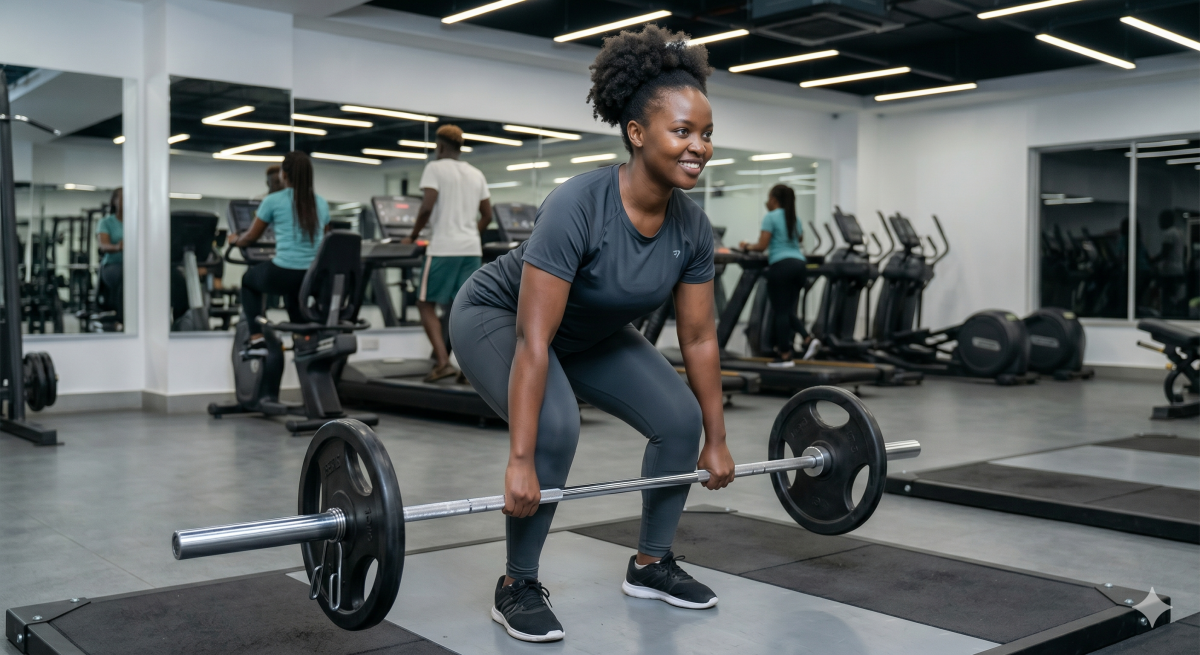
Metabolic changes follow close behind. The body begins improving its ability to shuttle oxygen to working muscles, clear lactic acid more efficiently, and regulate blood sugar in response to exercise.
Your resting metabolic rate edges upward as lean muscle tissue (which burns more calories than fat even at rest) begins to grow.
The compound effect of all these adaptations is the moment most people describe as the training “clicking”: the session that, for the first time, leaves you feeling energised rather than destroyed.
This is the window many beginners never reach, because they quit during the painful first fortnight.
But those early weeks of soreness and confusion are the sound of your body building infrastructure – laying down the neurological wiring and cellular machinery that everything else will later run on.