Advertisement
Educational activities for children during the August school break
27th July, 2026 09:02 PM
School holidays offer children a well-deserved break from early mornings and tight classroom schedules.
However, weeks away from regular study can lead to a slight dip in reading and maths skills.
A peer-reviewed study in the BU Journal of Graduate Studies in Education notes that “summer learning loss is loss of academic knowledge and skill that accumulates over the break from school”.
Parents do not need pricey tuition centres or rigid study hours to stop this drop.
Simple, everyday activities around the home can keep young minds active while keeping holiday fun intact.
Turning household tasks into practical lessons
Learning works best when it fits naturally into daily family life. In the kitchen, cooking meals creates easy chances to practise basic maths.
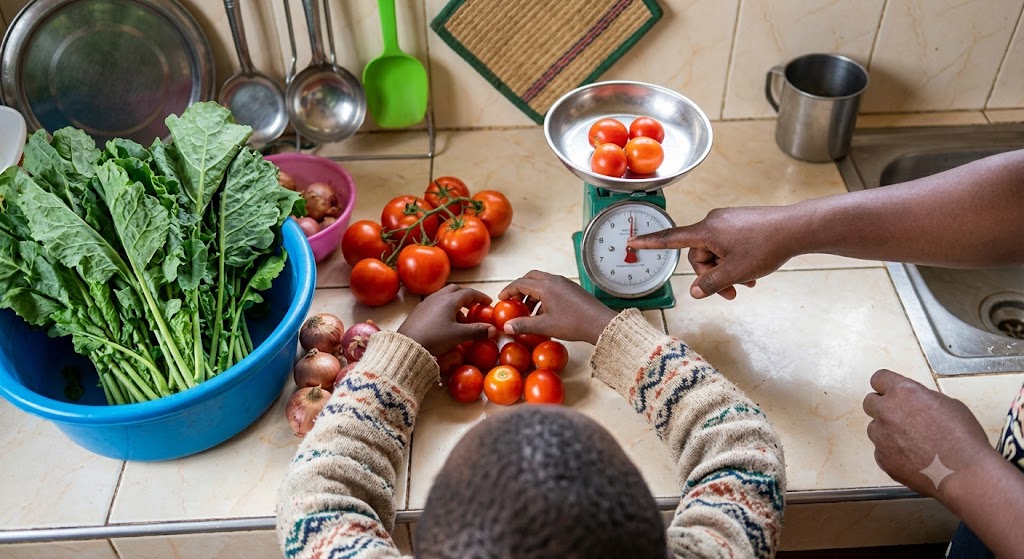
Asking a child to count ingredients, measure water in millilitres, or split food into equal portions connects classroom ideas to real life.
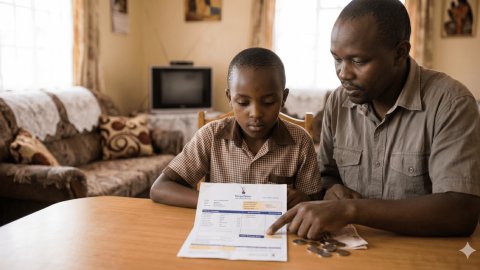
Shopping trips to local markets or neighbourhood shops offer great practical lessons in spending. Giving a child Ksh500 and asking them to pick out items, add up costs, and check the balance builds money habits early.
These simple tasks turn daily errands into interactive learning moments without making children feel like they are sitting through extra classes.
Simple reading and creative ideas for home
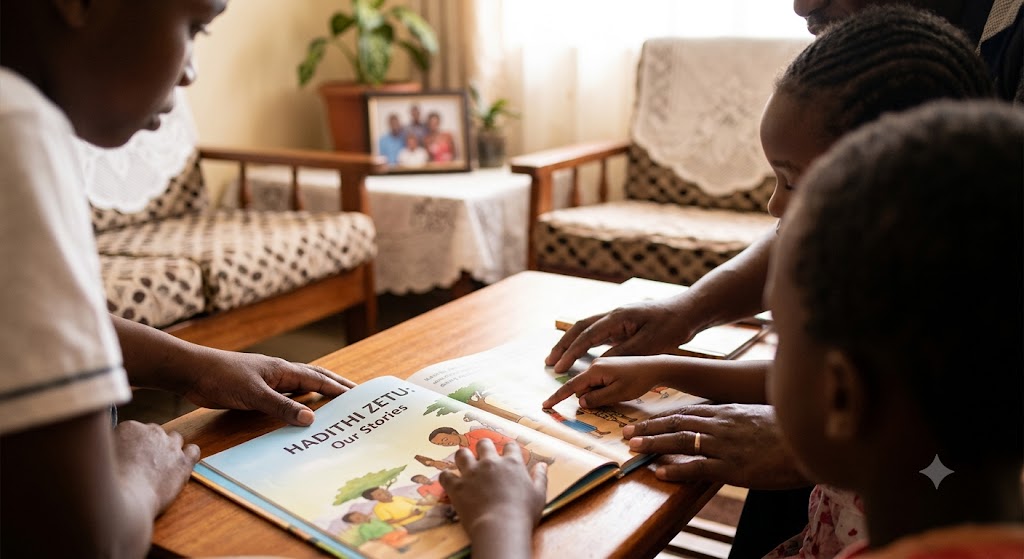
Setting aside 20 to 30 minutes each day for light reading keeps words fresh in a child’s mind. Setting up a comfortable reading spot with storybooks, comics, or local newspapers gives them room to pick what they enjoy.
Parents can also support writing by encouraging kids to keep a short holiday diary or draw pictures based on what they read.
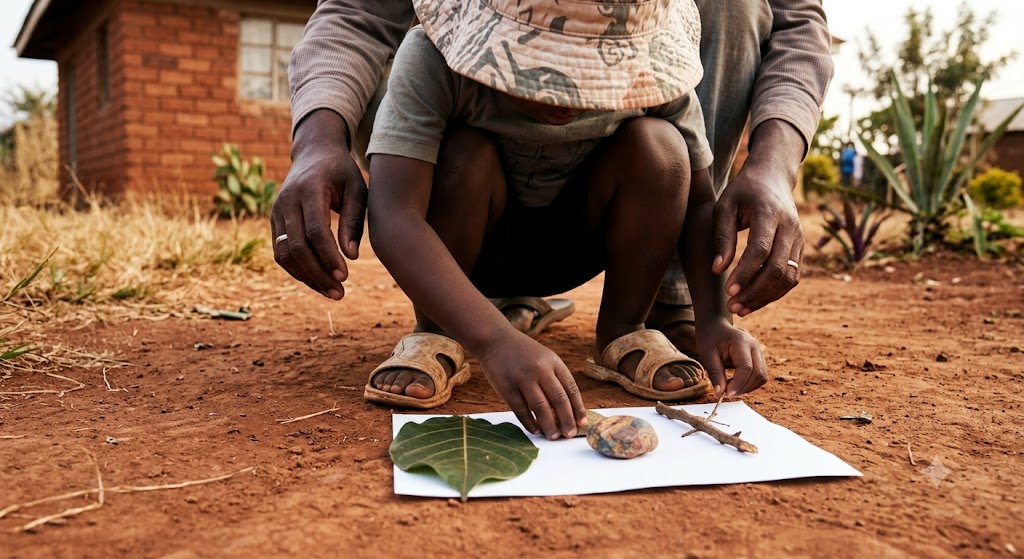
Hands-on craft projects using everyday materials also keep children busy. Building models from card boxes, making simple toys, or drawing helps build fine motor skills and creativity.
Walking outside and exploring nature helps stir up interest in science. Gathering different leaves, naming garden plants, or watching daily weather patterns gives children a simple start in basic science.
Classic board games like bao, chess, or Scrabble also help sharpen thinking and problem-solving skills.
Keeping a soft routine through August helps children step back into the classroom with confidence when schools reopen.
Everyday moments at home offer easy, low-cost ways to keep children sharp, curious, and ready for the next term.