Advertisement
Is forex trading real or a scam?
23rd April, 2026 05:28 PM
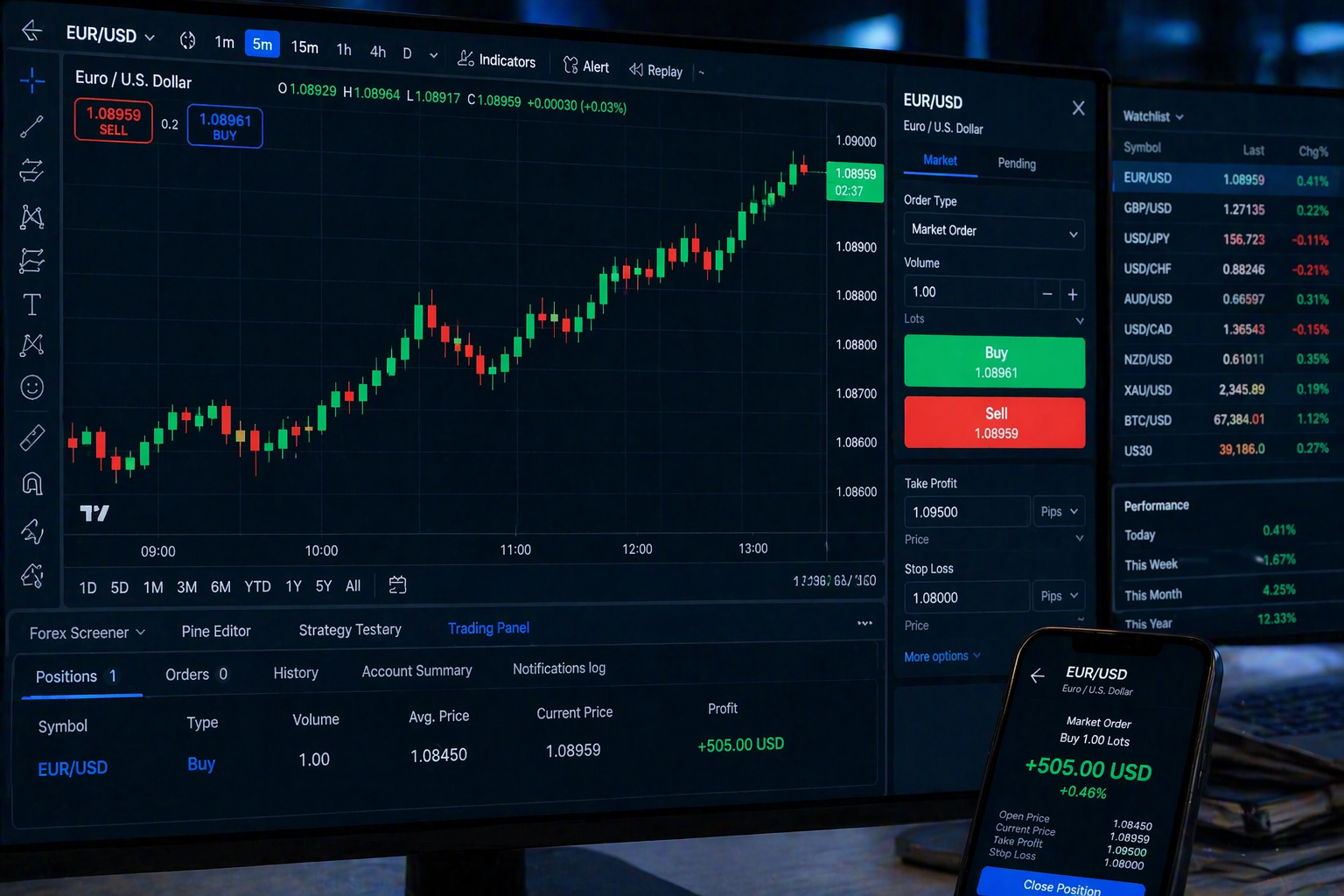
Forex trading is real. It is the global market where currencies are bought and sold, and it is one of the largest financial markets in the world.
Banks, companies, investment funds, governments and individual traders all participate in it every day. So the idea of forex itself is not fake.
Yet many people still ask whether it is a scam, and that question usually comes from what they see around it rather than what forex actually is.
Social media is full of people posing with stacks of cash, rented luxury cars and promises of easy millions from trading. That image can be misleading.
Why Forex is real
At its core, forex means predicting whether one currency will rise or fall against another.
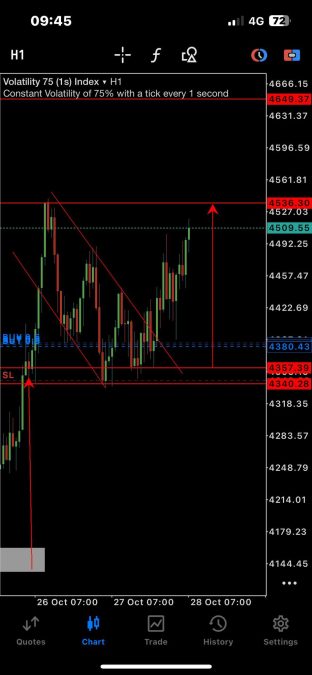
Traders watch economic data, interest rates, inflation, political events and market sentiment. Prices move constantly, creating opportunities to profit or lose.
According to major financial regulators and global exchanges, currency markets are legitimate financial systems used for trade, travel and investment worldwide.
The market exists whether retail traders join or not.
Some people do make money from forex. Skilled traders who manage risk, study markets, and stay disciplined can become consistently profitable over time.
However, that usually takes education, experience and emotional control.
Why does it look like a scam?
The scam label often comes from bad actors around the industry. Fake brokers, signal sellers, account managers and online “mentors” sometimes promise guaranteed profits, luxury lifestyles and fast returns.
That is where many beginners lose money.
A genuine broker should be licensed in a recognised jurisdiction, transparent about fees and clear about risks.
Anyone promising zero risk or guaranteed daily income should raise concern immediately.

Forex is also risky by nature. Even with a legitimate broker, markets can move sharply and wipe out poorly managed trades.
Leverage, which allows traders to control bigger positions with less money, can increase gains but also magnify losses.
The honest truth
Forex is not a get-rich-quick shortcut. It is a high-risk skill-based activity.
Many beginners lose money because they expect instant success, overtrade, ignore risk management or copy flashy online lifestyles.
The better way to view forex is like any serious profession. There is a learning curve, there are losses, and results take time. Some succeed, many struggle, and nobody wins every day.
So, is forex trading real or a scam? Forex is real. Scams exist around it. The difference often lies in who you trust, how you learn and whether you respect the risks involved.