Advertisement
How to spot greenwash in Nairobi’s thrift scene
05th May, 2026 12:51 PM
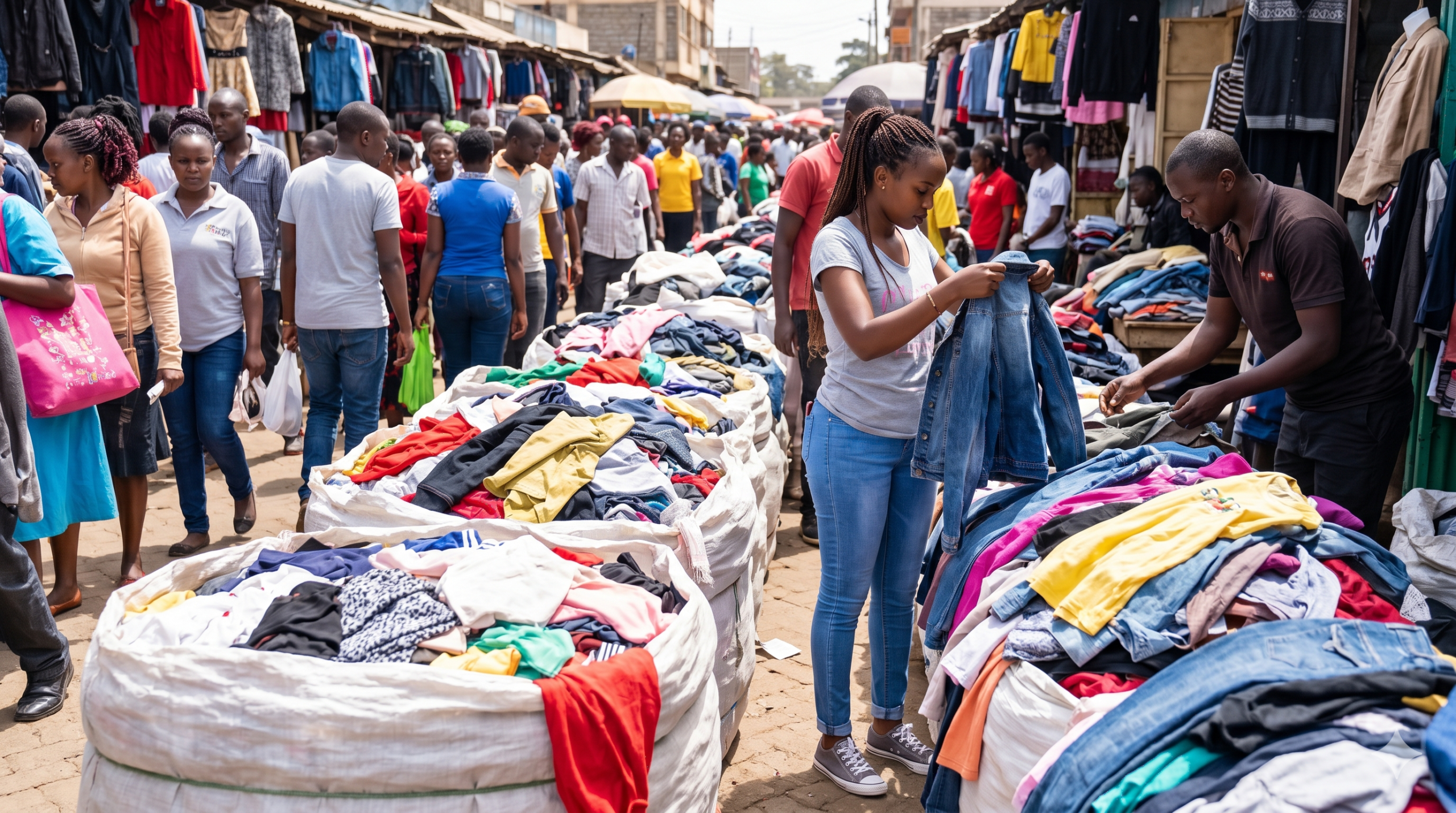
Nairobi’s mitumba (second-hand clothes) trade remains central to how many people dress.
Kenya imported about 230,535 tonnes of second-hand clothes in 2024, according to the 2025 Economic Survey, with the value of imports rising to around Ksh27.8 billion in the year to March 2024.
Demand continues to grow, with millions of Kenyans relying on second-hand clothing. At the same time, curated thrift pages and ‘vintage’ stalls are pushing prices up. In this shift, weak items are often sold with strong claims.
What is greenwashing?
Greenwashing is the use of claims that make a product seem better for the environment than it is.
Global consumer regulators state that such claims must be clear, specific and backed by evidence.
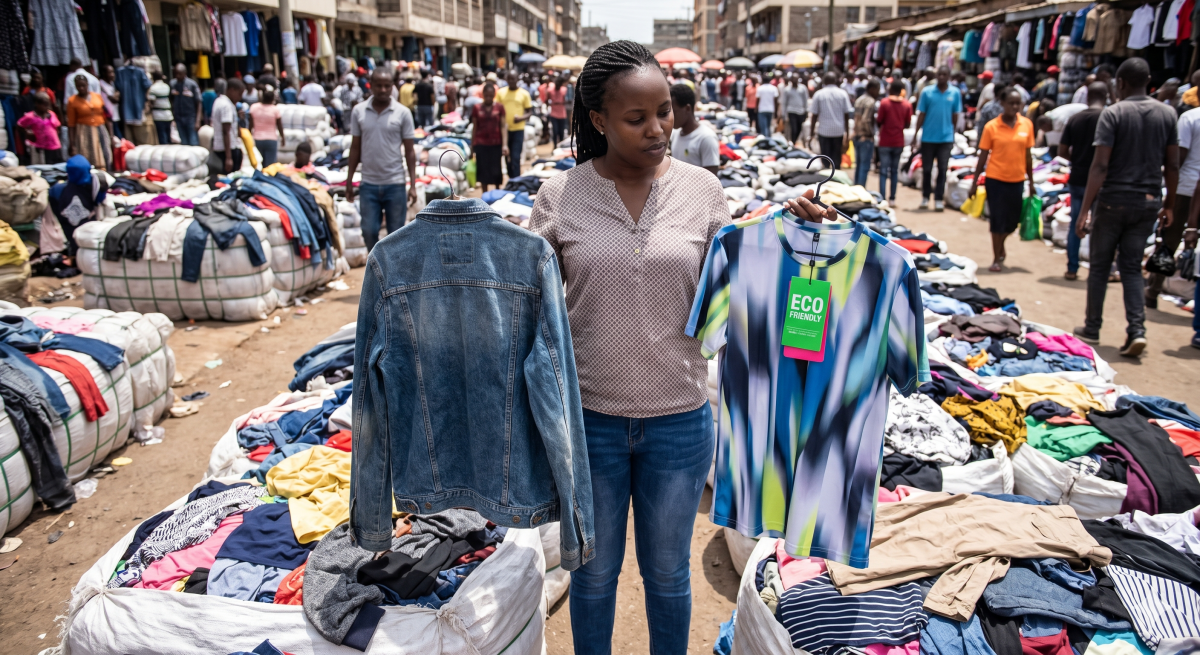
Broad terms such as “eco-friendly” or “green” without detail can mislead.
Check the garment, not the tag
A label does not prove quality. The inside of the garment does. Strong pieces have firm seams, even stitching, finished edges, and hems that can be adjusted.
Loose threads, puckered seams, and rough finishing point to low durability. These signs matter more than any “vintage” or “eco” tag.
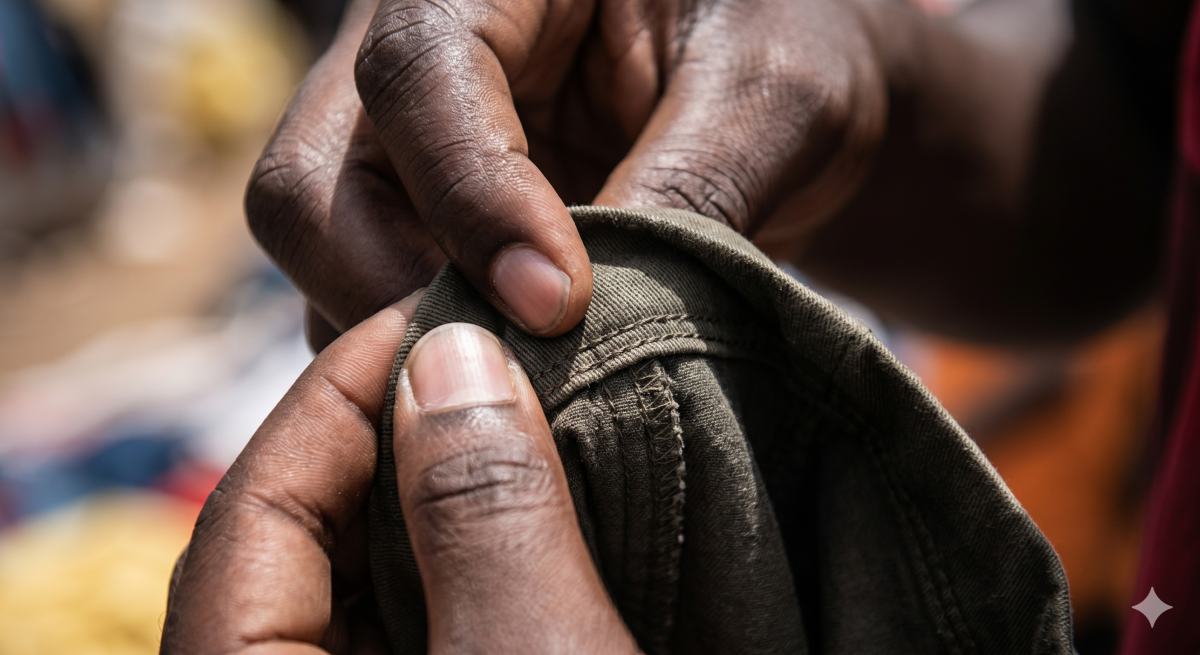
Fabric also gives clear signals. It should feel stable, hold its shape, and sit well at the seams.
If it feels thin or twists easily, it is unlikely to last through regular washing. In thrift buying, price only makes sense when the cloth and construction can handle repeated use.
What is the impact of greenwashing?
In Nairobi’s thrift market, the effects are direct.
Shoppers pay more for items that do not last, raising the cost per wear.
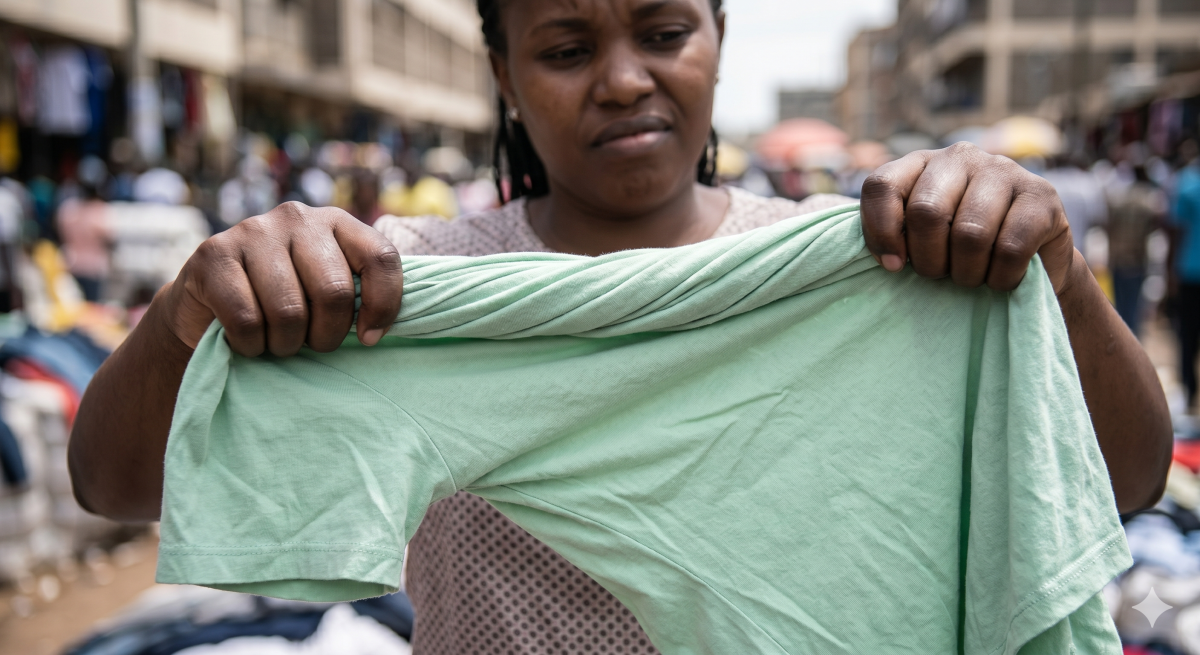
Marketing language shifts focus away from stitching and fabric to ‘eco-friendly’, allowing poor-quality fast fashion to pass as curated thrift.
Trust also drops. When claims are unclear, buyers question all sellers, including those who price based on real quality.
The practice also affects the wider trade.
Kenya receives large volumes of second-hand clothing each year. When low-grade items are presented as premium thrift, the line between reusable clothing and textile waste becomes unclear.
This reduces transparency across the supply chain and weakens accountability, hiking prices in the long run.
For buyers, the test is simple.
Focus on the garment, ask what a claim means, and ask for proof. If the answer is not clear, treat the claim with caution.
In mitumba, value is in the fabric, the cut, and the finish, not the label.