Advertisement
How to keep your child safe in Kenya amid growing safety concerns
14th May, 2026 09:56 AM
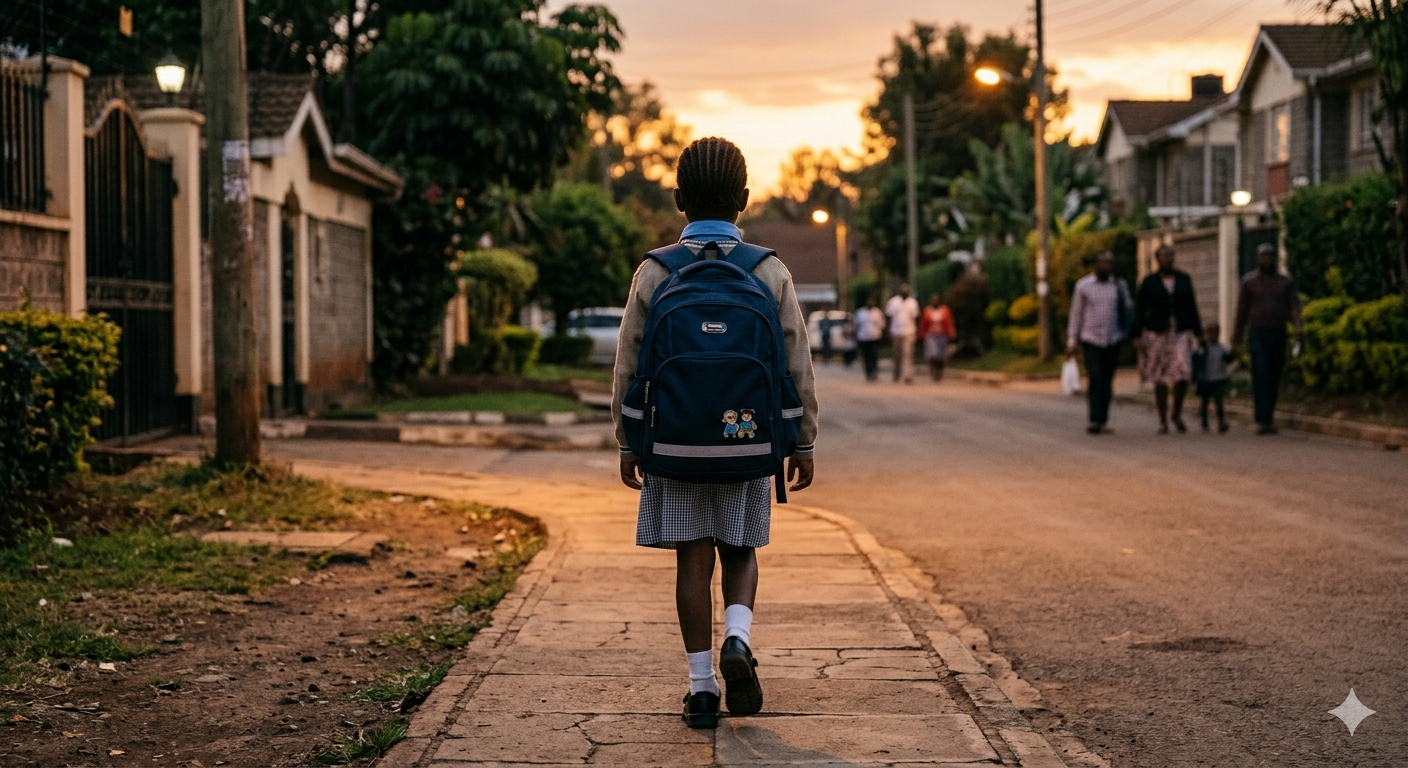
Across many Kenyan homes today, conversations around child safety have become more serious. Reports of missing children and suspected abductions have left many parents anxious, especially as children move between school, tuition classes, playgrounds, and social spaces. While these incidents can create fear, the most effective response is not panic, but preparation.
Child safety begins with awareness. According to guidance from the United Nations Children’s Fund (UNICEF), children should be taught personal safety in calm, practical ways that do not make them fearful of the world around them. One of UNICEF’s child protection recommendations noted that children should know “trusted adults they can turn to” in moments of distress.
That starts at home. Children need to know their full names, a parent or guardian’s phone number, and where they live. This may seem basic, but in moments of confusion or separation, such information can be critical.
It is also important to have regular conversations about strangers, but with balance. Instead of telling children that every unfamiliar person is dangerous, parents can teach them safe boundaries. For example, children should never accept lifts, gifts or invitations without clear permission from a parent or guardian.
Strengthen everyday safety habits
Routine is one of the strongest layers of protection. Children who follow predictable movement patterns and check-in systems are often easier to account for.
The National Centre for Missing & Exploited Children advised families to establish clear safety rules. “Children should always check first before going anywhere with anyone,” they stated.
In practical Kenyan settings, this means knowing exactly how your child gets to and from school, who picks them up and what backup arrangements exist if plans change.
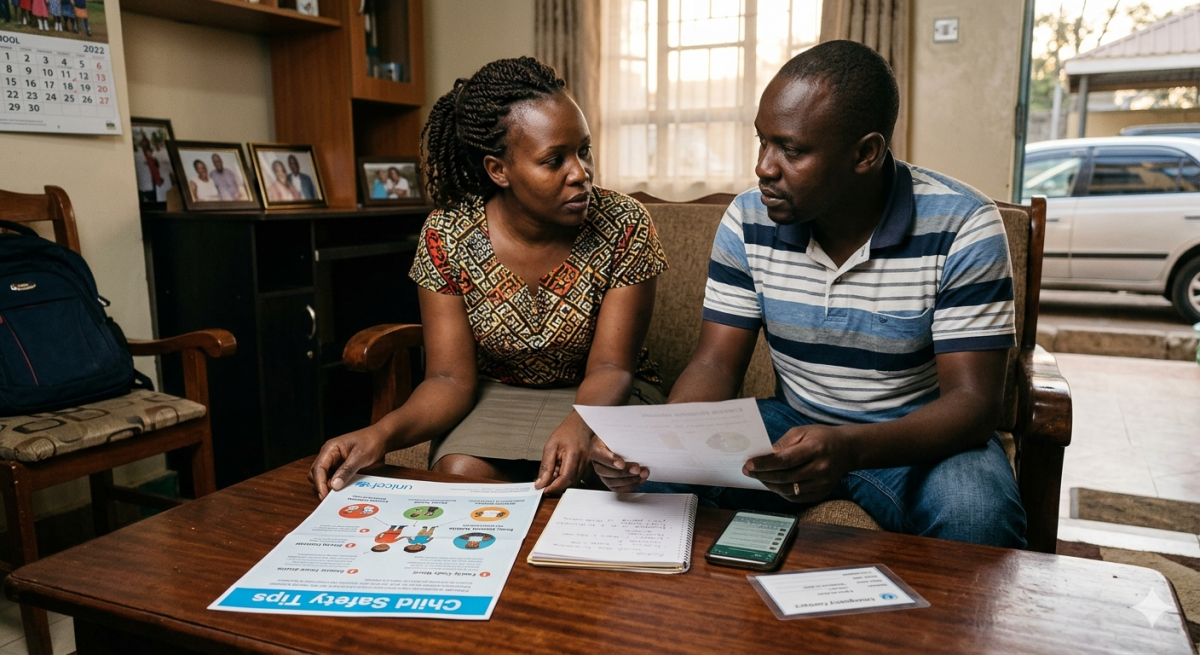
Parents should also encourage a family code word. This is a simple password that only trusted family members know. If someone unfamiliar claims they were sent to pick up a child, the child can ask for the code word before going with them.
Digital safety matters just as much. Many children today are active on social media or messaging apps. Oversharing school locations, routines, or family movements can unintentionally expose personal details. Monitoring online interactions has become part of modern parenting.
Act fast and stay connected
If a child goes missing, the first few hours matter. Early reporting improves the response and coordination to be more effective. Parents should report immediately to the nearest police station, share accurate recent photos, and alert schools, neighbours, and community groups without delay.
Staying connected with teachers, neighbours, bodaboda operators known to the family, and local security teams creates an informal safety web around children. Keeping children safe today requires more than caution. It calls for conversation, preparation and collective responsibility. In uncertain times, informed parenting remains one of the most powerful forms of protection.