Advertisement
Your baby’s first vaccines: The questions every new parent asks, answered
24th June, 2026 12:57 AM
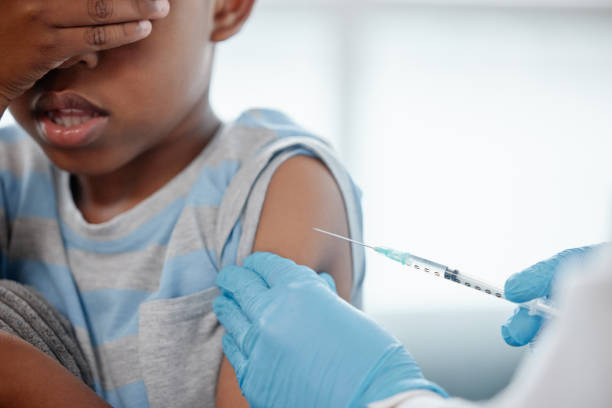
Kenyan babies receive their first vaccines within hours of birth. Experts say knowing why, what to expect afterwards, and how to read your baby’s reactions can make all the difference for new parents navigating their child’s early health.
A newborn’s immune system is encountering the world for the first time. “When a newborn arrives, their body has not yet been introduced to new antigens. Their immune system needs stimulation so that it can learn how to protect itself,” said nurse Philip Wambugu during an educational webinar hosted by Kilimani Children’s Clinic on June 18, 2026.
Although babies receive some protection from maternal antibodies during pregnancy and through breastfeeding, that protection is temporary. Vaccines help the baby’s immune system develop its own defences against potentially life-threatening diseases.
Africa continues to face significant challenges from vaccine-preventable diseases such as tuberculosis and polio, which is why Kenyan newborns receive the Bacillus Calmette-Guérin (BCG) vaccine and an oral polio vaccine shortly after birth, earlier than in many other parts of the world. “The whole essence of vaccinating almost immediately is to give the child maximum protection, given our geographical situation,” Wambugu said.
Globally, immunisation prevents an estimated 4.4 million deaths every year from diseases such as measles, polio, diphtheria, tetanus and whooping cough.
At six weeks, babies receive oral polio, rotavirus and pneumococcal vaccine besides a combination vaccine
Kenya’s routine immunisation schedule begins at birth with BCG and oral polio vaccines and continues through childhood with protection against pneumonia, rotavirus, measles, rubella, malaria and human papillomavirus (HPV).
At six weeks, babies receive oral polio vaccine, rotavirus vaccine, pneumococcal vaccine and a combination vaccine protecting against diphtheria, pertussis, tetanus, hepatitis B and Haemophilus influenzae Type B. The same sequence is repeated at 10 and 14 weeks to strengthen immunity.
Additional vaccines are administered later in infancy and childhood, including measles-rubella vaccines at nine and 18 months, vitamin A supplementation, malaria vaccines in selected high-risk counties and HPV vaccination for girls from age 10.
One of the most common questions parents ask is whether private-sector “baby-friendly” vaccines are better than those provided through the Kenya Expanded Programme on Immunisation (KEPI). Wambugu emphasised that both protect children against the same major diseases. “The programme launched by the government provides the same core vaccines that children receive in private facilities,” he said.
Few things worry parents more than seeing their baby develop a fever after a jab
The difference lies in formulation and additional coverage. Private facilities may offer pneumococcal vaccines covering 13 strains instead of the 10 strains covered in the public programme, and some private combination vaccines include additional protection that reduces the number of separate injections a child receives throughout the schedule.
Wambugu stressed that private vaccines should be viewed as an extra layer of protection rather than a replacement for routine immunisation. “The primary vaccines given through the government schedule are the ones every child should receive,” he said. Kenya has progressively incorporated some previously private-only vaccines into the national programme, reflecting ongoing efforts to strengthen coverage.
Few things worry parents more than seeing their baby develop a fever after a jab. Paediatrician Dr Evaline Baya, who also spoke at the webinar, says fever is usually reassuring rather than dangerous. “Fever is actually a good symptom. It tells us that the vaccine is working and that the body is mounting an immune response,” she explained.
Most post-vaccination fevers are mild and resolve within one or two days. Some babies may also become fussy, experience mild discomfort, or have temporary changes in bowel movements, particularly after oral vaccines such as the rotavirus vaccine. Not all babies react the same way: some may develop a fever after every vaccination visit, while others experience no noticeable symptoms at all.
Significance of rashes depends on appearance, location and accompanying symptoms
For pain management, Wambugu advises against rubbing or massaging the injection site. “Massaging the injection site can actually increase discomfort and irritation,” he said. Where a baby develops a fever or discomfort, paracetamol may be recommended. “The best thing is just give some paracetamol after the jab. That will help calm the baby and also help with the pain and numbness in the injection.”
Parents should seek medical attention if symptoms are severe, prolonged or accompanied by signs of serious illness. Rashes are another common source of anxiety. Dr Baya explained that their significance depends on appearance, location and accompanying symptoms.
Many newborns naturally experience skin peeling in the first few weeks of life, which usually improves with gentle moisturisation. Heat rashes are also common, particularly around the neck and back of the head. Other rashes may result from products applied to the baby’s skin. “Baby skin is delicate,” said Dr Baya. “Some products can cause irritation and trigger eczema or dermatitis.” She cautioned specifically against adding antiseptics such as Dettol to bath water, as they can disrupt the skin’s normal protective bacteria and increase irritation.
Parents should seek medical care promptly if a rash is accompanied by fever, poor feeding or lethargy. A baby who develops a rash and refuses to breastfeed should be assessed urgently, as this may indicate a more serious infection.
The eradication of smallpox and the near-elimination of polio demonstrate what vaccines can achieve when coverage is high. Today, immunisation remains one of the most cost-effective investments in child health, protecting communities from outbreaks and preventing millions of deaths annually.