How to clean your sofa seats effectively
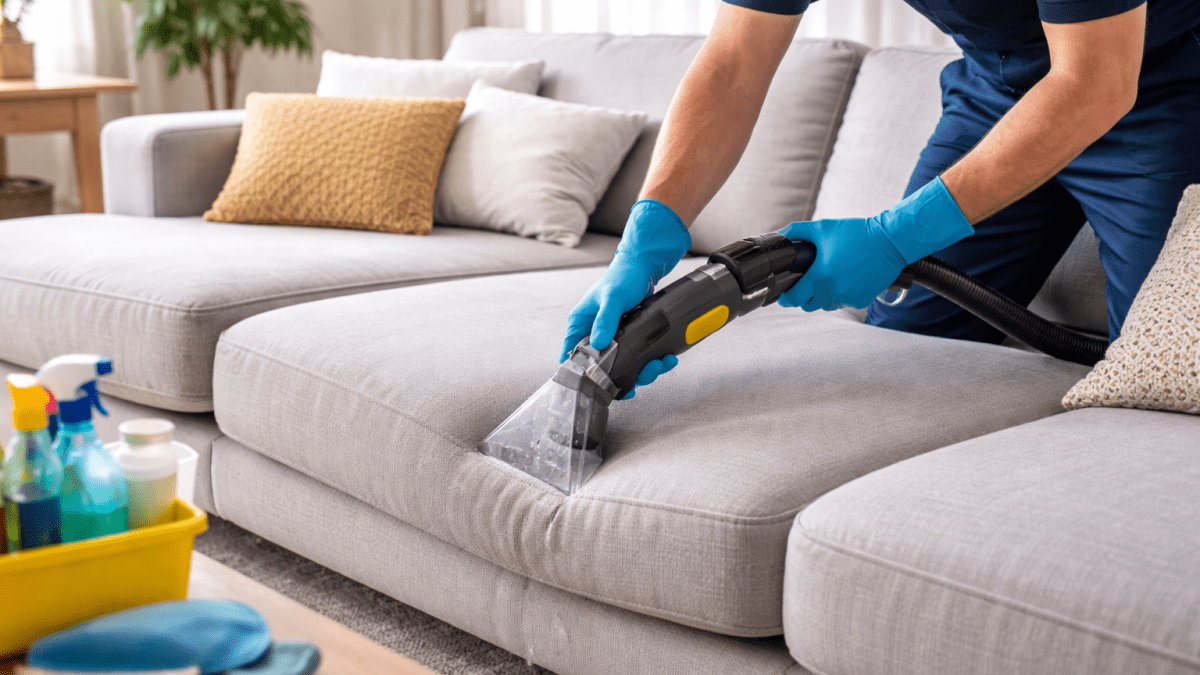
Sofa seats are among the most frequently used furniture items in many homes.
Whether in living rooms, offices or lounges, sofas often collect dust, body oils, food crumbs and stains from everyday use.
You might also like

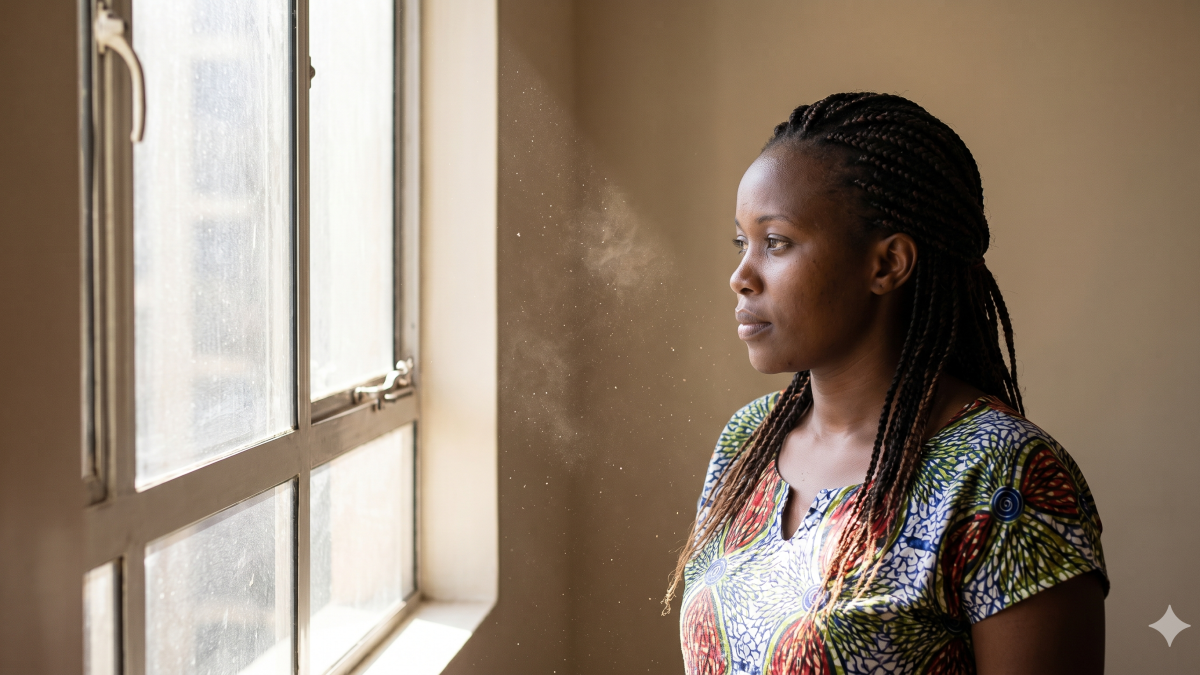

Over time, this buildup can affect both the appearance and hygiene of the furniture.
Cleaning sofa seats regularly not only improves the look of your living space but also helps remove allergens such as dust mites and bacteria that may accumulate within the fabric or cushions.
The good news is that effective sofa cleaning can be done using simple household methods when performed carefully and consistently.
Step 1: Remove loose dust and debris
Before applying any cleaning solution, the first step is to remove loose dirt.
Use a vacuum cleaner with a brush attachment to clean the entire sofa surface. Focus on areas where dust tends to accumulate such as between cushions, along seams and around armrests.
Vacuuming helps remove crumbs, hair and fine dust particles that can become embedded in the fabric if wet cleaning is done first.
Step 2: Check the sofa material
Different sofas are made from different materials such as fabric, leather, microfiber or synthetic upholstery.
Before cleaning, it is important to check the manufacturer’s label or cleaning code usually found underneath the sofa cushions. These codes indicate which type of cleaning method is safe for the material.
Step 3: Prepare a mild cleaning solution
For most fabric sofas, a simple cleaning solution can be prepared using warm water and a small amount of mild liquid soap or dish detergent.
Mix the solution gently until it forms light foam. Avoid using strong chemicals because they may damage the fabric or fade the colour.
If the sofa has stubborn stains, adding a small amount of white vinegar to the mixture can help break down oils and odours.
Step 4: Clean the surface gently
Dip a clean soft cloth or sponge into the solution and squeeze out excess water. The cloth should be damp rather than soaked.
Gently wipe the sofa surface in circular motions, focusing on stained areas. Cleaning slowly allows the solution to lift dirt from the fibres without spreading the stain.
Avoid over-wetting the sofa because too much moisture can seep into the cushions and cause mould or unpleasant smells.
Step 5: Remove excess moisture
After cleaning, wipe the sofa again using a clean cloth dampened with plain water. This helps remove leftover soap residue.
Then use a dry towel to blot the surface and absorb excess moisture. Proper drying is important to prevent water stains from forming on the upholstery.
Step 6: Allow the sofa to air dry
Open windows or increase airflow in the room to help the sofa dry naturally.
Placing the cushions upright allows air to circulate around them more easily. In warm environments, sofas may dry within a few hours.
Avoid sitting on the sofa until it is completely dry to prevent the fabric from absorbing new dirt.
Step 7: Maintain regular cleaning
Routine maintenance can help keep sofa seats clean for longer periods.
Simple habits such as vacuuming weekly, avoiding eating on the sofa and quickly cleaning spills can prevent stains from becoming permanent.
Using removable sofa covers or throws also helps protect upholstery from everyday wear.
Keeping your sofa fresh
Regular cleaning not only improves the appearance of a sofa but also contributes to a healthier indoor environment.
Dust, allergens and bacteria can accumulate in soft furniture, especially when used daily.
By following simple cleaning steps and maintaining good habits, homeowners can extend the lifespan of their sofa seats while keeping their living spaces comfortable and hygienic.