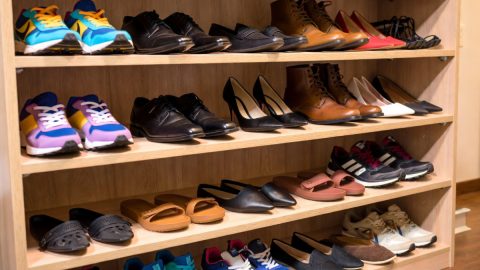
Advertisement
How to choose the right shoes to prevent foot and knee pains
18th May, 2026 12:39 PM
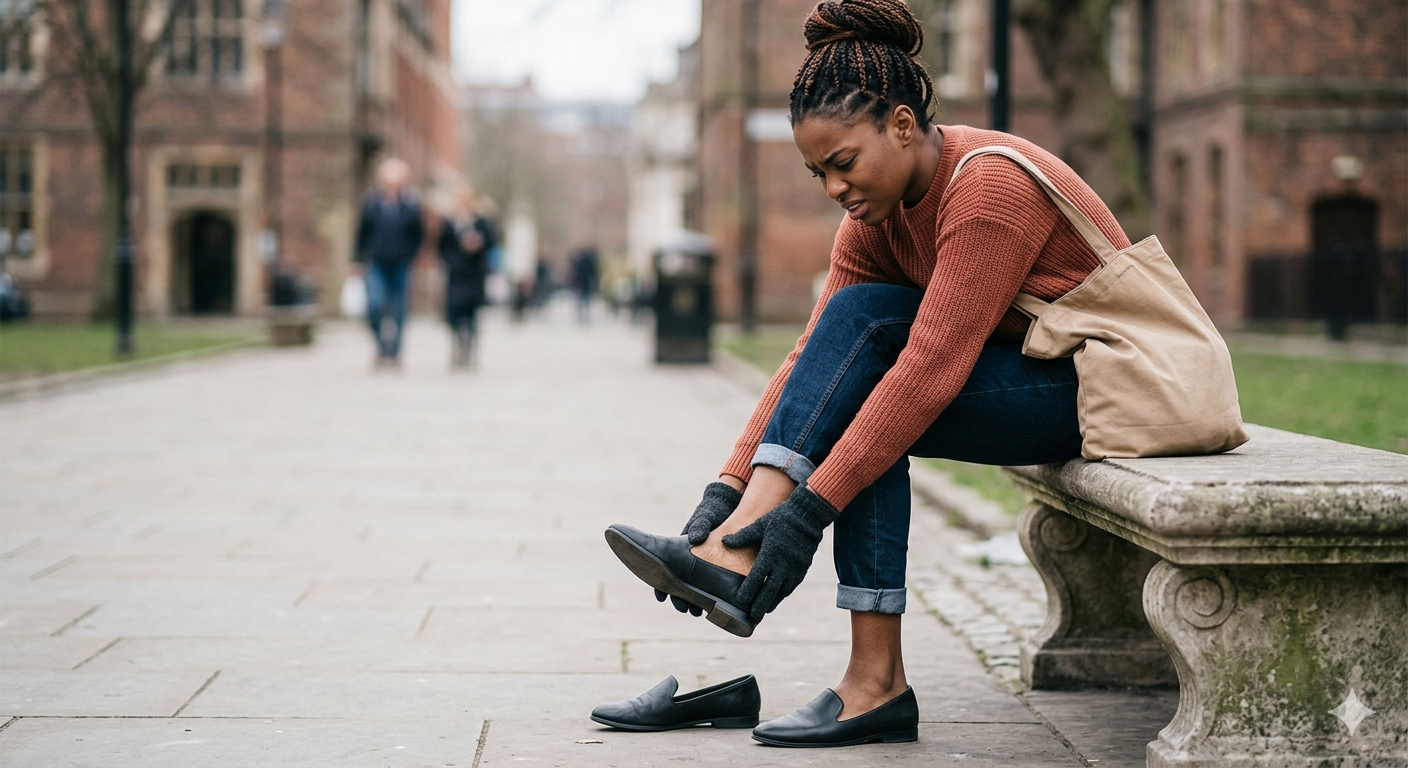
For many people, foot and knee pain often starts quietly. It may begin as slight discomfort after a long day, an ache after walking to work, or soreness after standing for hours. While many blame age, fatigue, or long hours, experts say one overlooked cause is poor footwear.
The shoes people wear every day do more than complete an outfit. They provide support, absorb shock, and help the body maintain proper alignment. When the wrong pair is worn repeatedly, pressure builds on the feet and travels upward to the knees, affecting posture and movement.
Choosing the right shoes can reduce strain on joints and help prevent common issues such as heel pain, arch discomfort, and knee stress. Good footwear supports the body from the ground up.
Check for proper fit and support
One of the biggest mistakes many people make is buying shoes based on style or size labels alone. Footwear should fit the actual shape of the foot, leaving enough room for the toes while providing firm support around the heel.
Health guidance from wellness experts recommended trying on shoes later in the day when feet are slightly swollen, as this gives a more realistic fit. Shoes that pinch the toes or feel too loose can force the foot into unnatural positions, leading to pain over time.
Arch support is equally important. Flat shoes with little cushioning may increase strain on the knees, while overly soft soles may fail to stabilise movement. A good shoe should provide balanced cushioning that supports natural walking patterns.
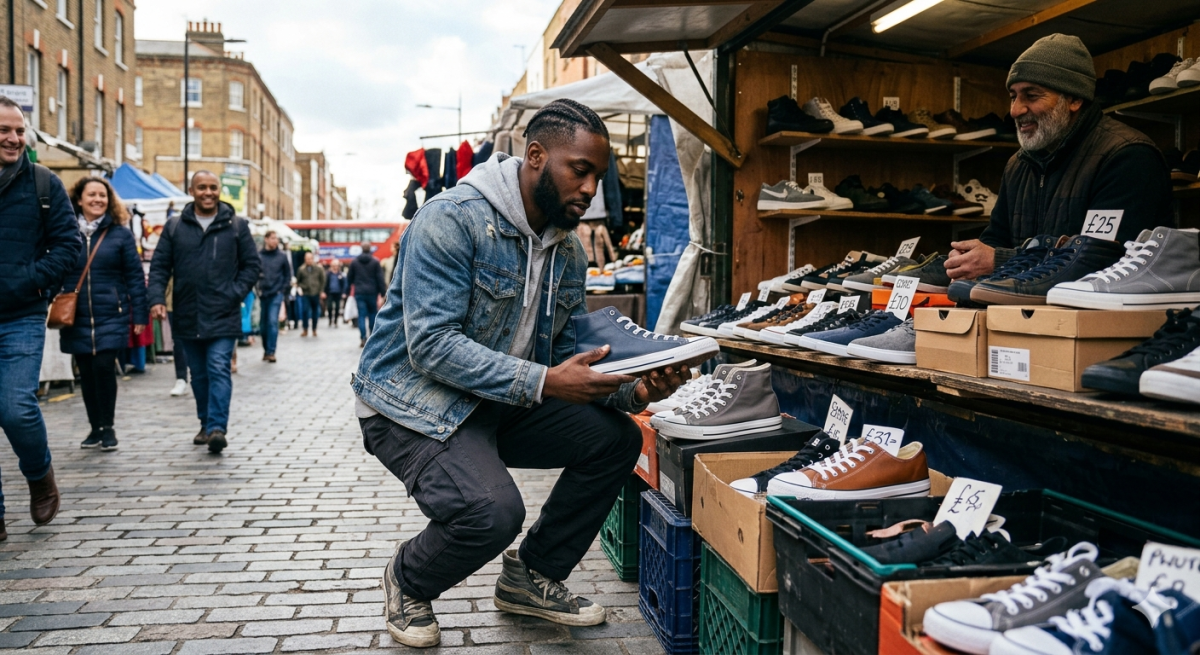
Match shoes to your daily activity
Not every shoe is designed for every task. Running shoes are built for forward motion and shock absorption, while walking shoes offer flexibility and stability for long periods on foot.
For people who spend hours standing, such as teachers, retail workers, media crews, and office workers moving around regularly, supportive footwear can make a major difference.
Kenyan physiotherapy experts have repeatedly advised that footwear should suit a person’s routine. Someone walking on uneven roads, for example, may need a stronger sole grip compared to someone mostly indoors. This practical approach reduces unnecessary pressure on the knees and ankles.
Replace worn-out shoes on time
Even quality shoes lose their ability to support the body after extended use. Worn-out soles, uneven tread, and flattened cushioning reduce shock absorption and can change walking posture.
A useful rule is to inspect shoes regularly. If the soles are visibly worn or the shoe tilts to one side when placed on a flat surface, it may be time for replacement.