Advertisement
How presidential election results move from polling stations to Bomas
01st May, 2026 09:26 AM
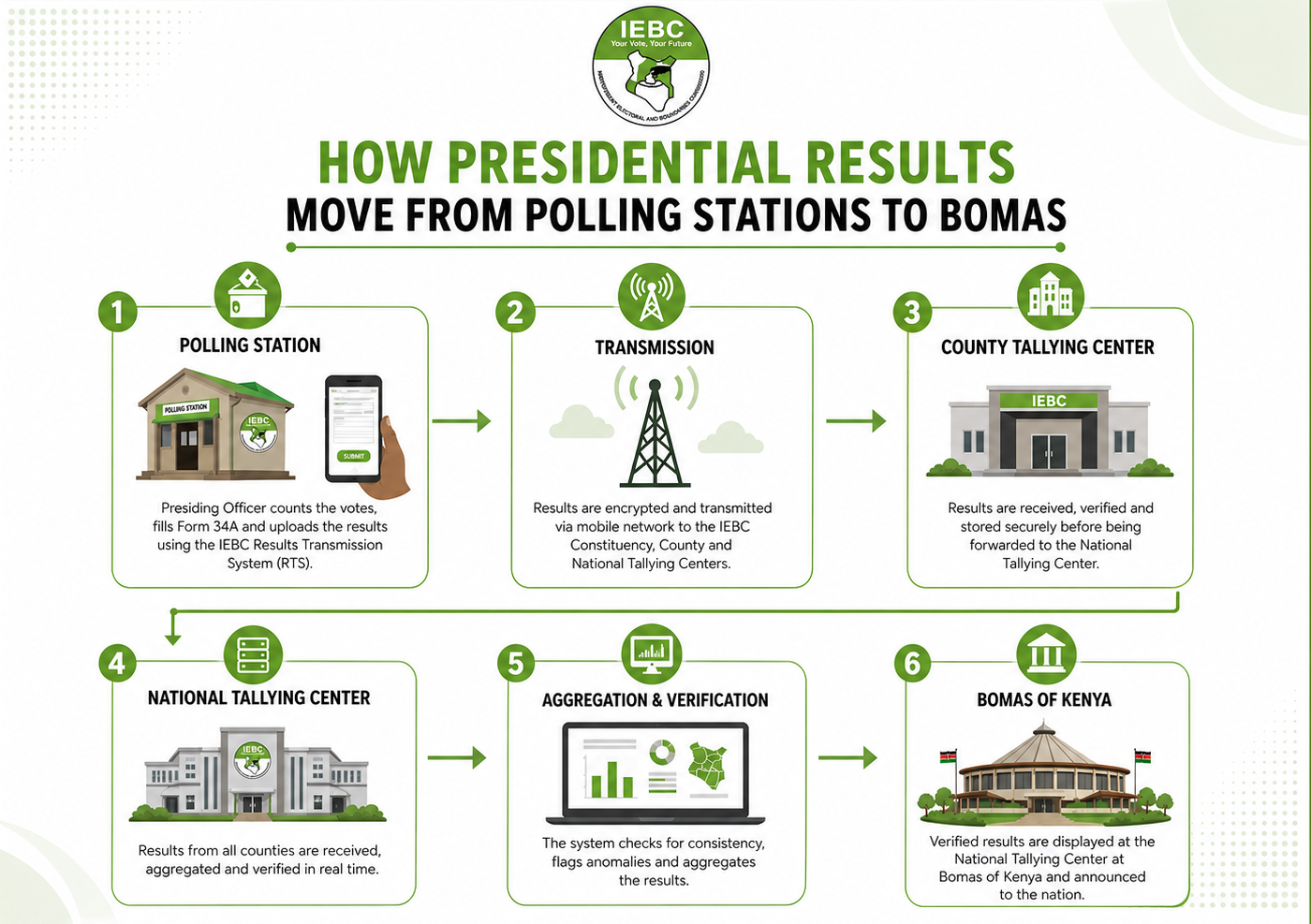
Every election season in Kenya, one question always comes up: how exactly do results move from the polling station all the way to the National Tallying Centre?
It may look complex from the outside, but the process is structured, layered and guided by law.
The Independent Electoral and Boundaries Commission (IEBC) has, over time, explained how results are counted, transmitted and verified to ensure credibility and transparency.
Here is a simple breakdown of how the system works, step by step.
Step one: Counting and announcing the results
Everything starts at the polling station.
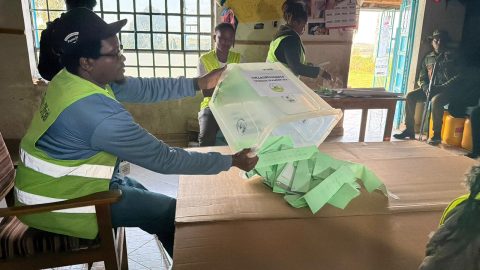
After voting ends, the Presiding Officer oversees the counting process in the presence of agents, observers and authorised officials. Ballots are sorted, counted and verified.
Once complete, results are recorded in official forms:
- Form 34A for presidential results
- Form 35 for other elective positions
These results are then announced publicly at the polling station. This is important because, by law, results declared at the polling station are the primary and final record at that level.
Agents present the signed forms to confirm what has been counted.
Step two: Feeding results into the system
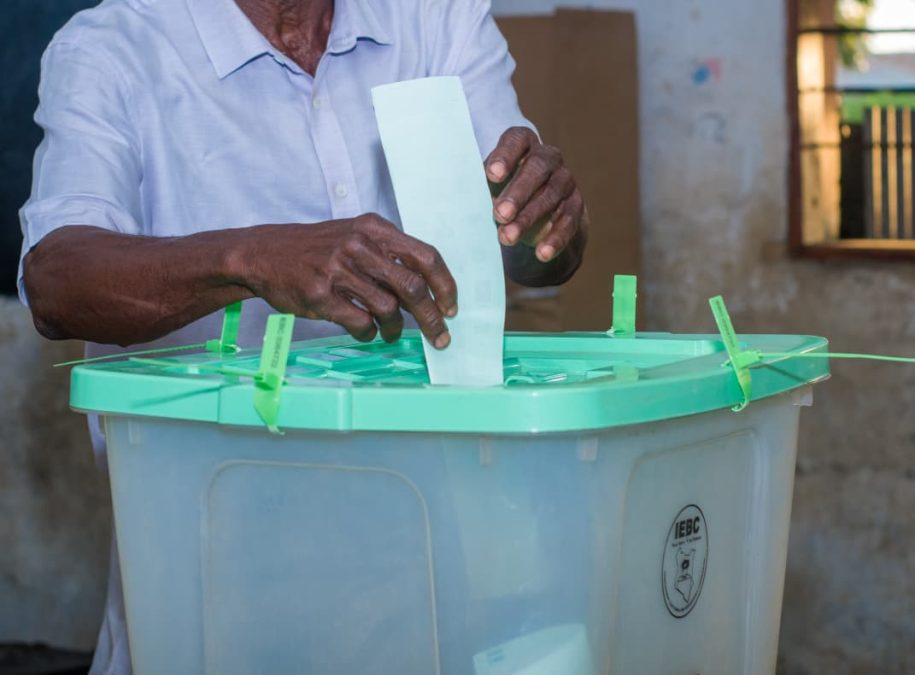
After announcing results, the Presiding Officer enters the same results into a secure electronic device, usually a specially configured phone.
The data entered matches exactly what is on the signed physical forms. This reduces the risk of altering figures during transmission.
The results are then sent through the Results Transmission System (RTS).
Step three: Electronic transmission to multiple centres
Once transmitted, the results are sent simultaneously to three levels:
- Constituency tallying centre
- County tallying centre
- National tallying centre
This simultaneous transmission is deliberate. It ensures that the same data is available across multiple levels at the same time, reducing the chances of interference.
The system uses secure mobile data networks and back-end servers to receive and process the information.
IEBC has previously explained that this back-end system acts like a relay, similar to how a message passes through a network before reaching the final recipient.

Step four: Manual delivery as backup
Even with electronic transmission, the physical forms remain critical.
The Presiding Officer physically delivers the signed result forms and ballot materials to the Constituency Returning Officer. These original documents act as the official record.
This dual system, electronic and manual, is meant to strengthen verification and reduce disputes.
Step five: Tallying at the constituency and county level
At the constituency level, results from all polling stations are compiled into Form 34B for presidential results and equivalent forms for other seats.
The Returning Officer verifies entries, checks for errors and aggregates the totals.
For positions like MP and MCA, results are declared at this level.
For county positions like Governor and Senator, results move to the county tallying centre, where they are collated and declared.
Step six: Final tally at the National Tallying Centre
For presidential results, all constituency totals are forwarded to the National Tallying Centre, often held at Bomas of Kenya.
Here, results are compiled into:
- Form 34C for national tally
- Form 34D for final declaration
The Commission verifies the results, checks for consistency and addresses any discrepancies in the presence of agents.
Once satisfied, the Chairperson announces the final presidential results.
How the system protects against interference
A major concern in elections is the “man in the middle”, where data could be intercepted or altered.
The IEBC system addresses this in several ways.
First, results originate from the polling station and are publicly announced before transmission.
This creates an immediate reference point that agents and observers can verify.
Second, transmission is secured using encrypted networks and controlled devices.
This means data sent from the polling station is protected while in transit.
Third, the use of multiple layers, polling station, constituency, county and national, creates an audit trail. Each level can verify what was received against physical forms.
There has also been discussion around advanced technologies such as blockchain in election systems globally.
While IEBC primarily relies on secure servers and audit trails, the idea behind such technologies is similar: creating records that cannot be altered without detection.
Why transparency is central
The entire system is built around a few key principles: transparency, accuracy, verifiability and integrity.
Results are:
- Announced publicly at the polling station
- Shared with agents and observers
- Transmitted electronically in real time
- Backed by physical forms
This combination allows multiple stakeholders, including the public, media and political agents, to follow and verify the process.
Final understanding
The IEBC results transmission system is not just about technology. It is a combination of law, process and checks at every level.
From the moment votes are counted at the polling station to the final announcement at the national centre, the system is designed to minimise errors, prevent interference and build trust.
Understanding these steps helps demystify the process and shows that what appears complex is, in fact, a structured chain where every stage matters.