Advertisement
How hustlers and mama mboga are beating high cost of living in Kenya
17th May, 2026 10:15 AM
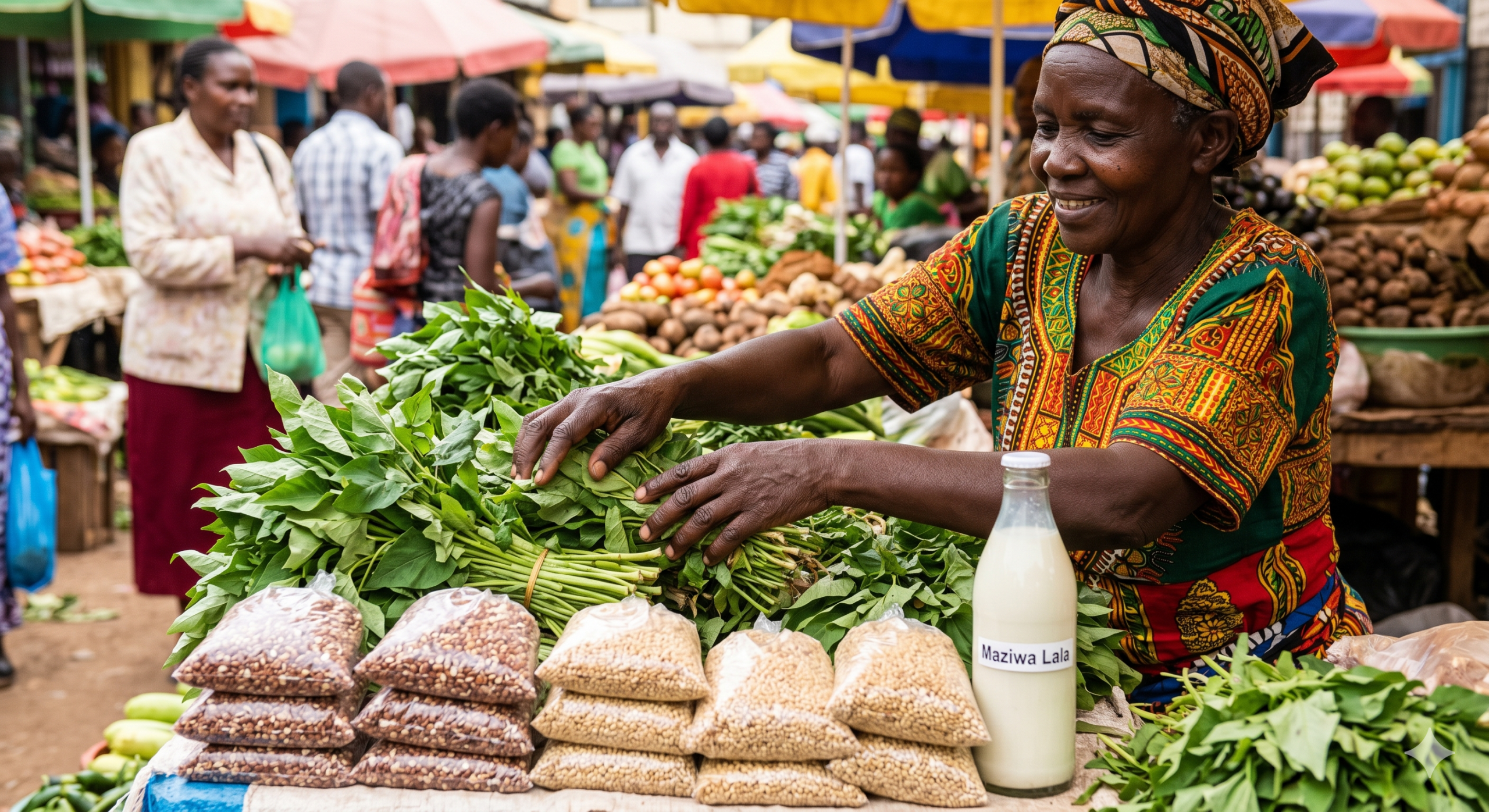
Across towns and cities in Kenya, from Nairobi estates to rural trading centres, the rising cost of living has become part of daily conversation. Prices of basic goods keep shifting, transport costs are high, and household budgets are stretched thinner than ever.
But even in these tough times, Kenya’s hustlers and Mama Mboga are not backing down. Instead, they are adapting, adjusting, and finding creative ways to stay afloat.
For many small traders and informal workers, survival now depends on flexibility and smart decision-making.
Rising fuel prices
One of the biggest pressures driving the high cost of living is fuel.
In its latest monthly fuel review released Thursday, May 14, 2026, the Energy and Petroleum Regulatory Authority (EPRA) announced that the prices of Super Petrol and Diesel would rise by Ksh16.65 and Ksh46.29 per litre respectively, while Kerosene prices would remain unchanged for the pricing cycle running from May 15 to June 14, 2026.
When fuel prices go up, everything else follows.

Transport becomes expensive, and that cost is eventually transferred to the market. This means basic commodities such as unga, cooking oil, sugar, vegetables, and even milk often become more expensive within a short time.
Survival tactics
Here are some of the creative ways most Kenyans are using to survive the high cost of living.
- Operational change
To cope, many hustlers and Mama Mboga are changing how they operate.
Some are reducing stock to avoid losses when prices fluctuate. Others are buying directly from farmers or wholesale markets like Marikiti early in the morning when prices are slightly lower.
Hustlers in transport and delivery services are also adjusting routes and fares to match rising fuel costs, even though customers are often struggling themselves.
It has become a delicate balance, staying affordable while still making a profit.
- Side hustles
In many Kenyan households, one source of income is no longer enough.
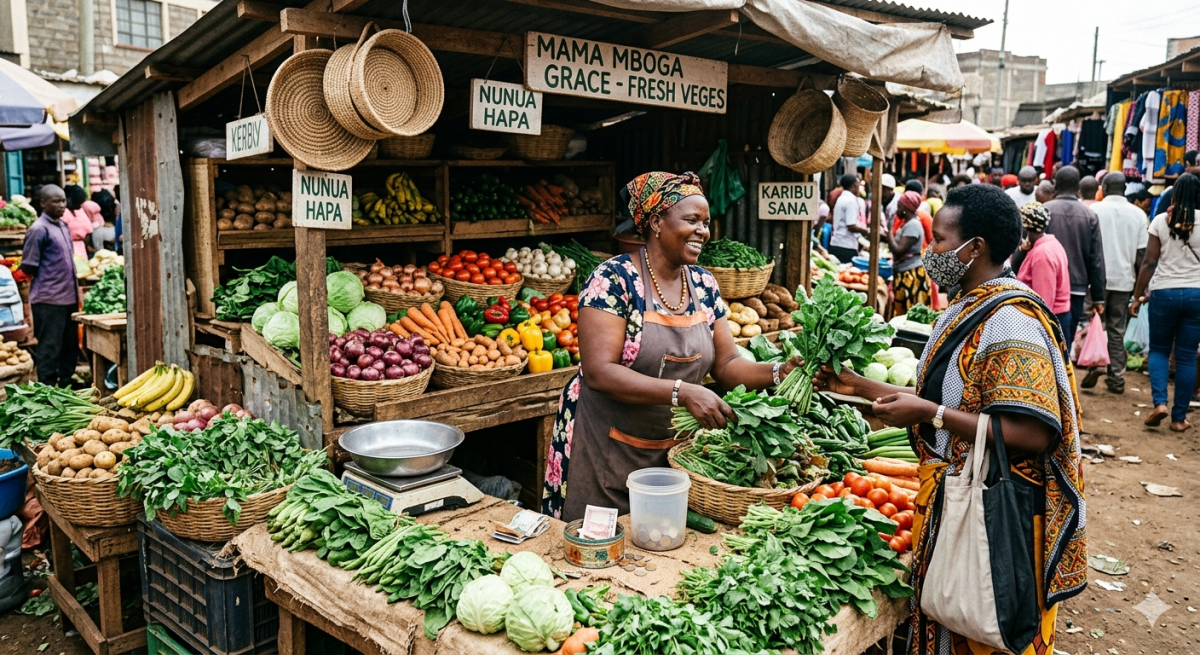
Mama Mbogas are expanding their businesses by adding small extras like boiled eggs, fruits, charcoal, or mobile money services. Hustlers are juggling multiple gigs, from boda boda riding to online work and small retail businesses.
The idea is simple: if one hustle slows down, another keeps the household running.
- Changing buying habits
Many hustlers are now more cautious. Instead of buying in bulk, many households purchase in small quantities, a cup of cooking oil, a few pieces of vegetables, or just enough sugar for a few days.
This has forced traders to rethink packaging and pricing strategies, with some even selling in affordable portions rather than standard weights.
Despite the pressure, what stands out is resilience. Mama Mboga open their stalls early and close late, often with thin profit margins. Hustlers continue pushing through uncertainty, relying on creativity and persistence to survive.
Even as fuel prices continue to influence the cost of basic commodities, many say they have no choice but to keep adjusting and moving forward.
In Kenya’s tough economy, survival is no longer just about working hard, it is about working smart, adapting quickly, and never standing still.