How to inspect second-hand wooden furniture before you buy
By Dan Kauna, August 23, 2026A tight budget drives many to open-air furniture yards and online second-hand markets. A refurbished four-seater dining set in Nairobi markets costs around Ksh18,000, while a new showroom set exceeds Ksh60,000.
Pre-owned timber offers a chance for savings, but a missed check turns a cheap bargain into a costly mistake. A five-minute inspection before payment protects buyers from weak frames and hidden pest infestations.
Check joint stability and material quality
Frame strength depends on structural joinery rather than top polish. Solid timber chairs and tables use interlocking mortise-and-tenon joints to handle daily weight and movement.
Hold the top rail of a chair or a table leg and apply firm sideways pressure. Any wobble, creak, or shift points to weak glue or cracked tenons inside the joint.
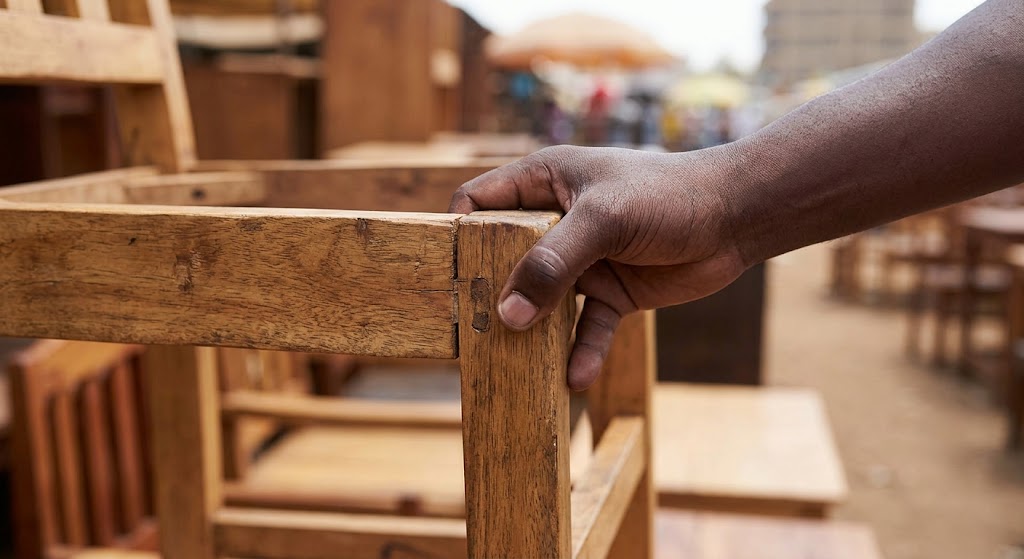
Peer-reviewed research published in Wood Material Science & Engineering notes that “properly constructed mortise-and-tenon joints were among the strongest tested, showcasing their traditional reliability in furniture-making.”
In contrast, cheap particle-board pieces rely on synthetic resin, staple pins, or thin plastic clips. Pressed boards lose structural strength quickly in high humidity or during a home move, and loose joints rarely fix well.
Check the underside, table corners, and raw edges carefully. This quick look reveals if a piece features real timber like cypress or mahogany, or compressed wood chips under a thin laminate veneer.
Detect hidden insect damage
Wood-boring pests pose another real financial risk in pre-owned items. Powderpost beetles and common furniture borers tunnel through dry wood, destroy internal strength, and leave small signs on the surface.
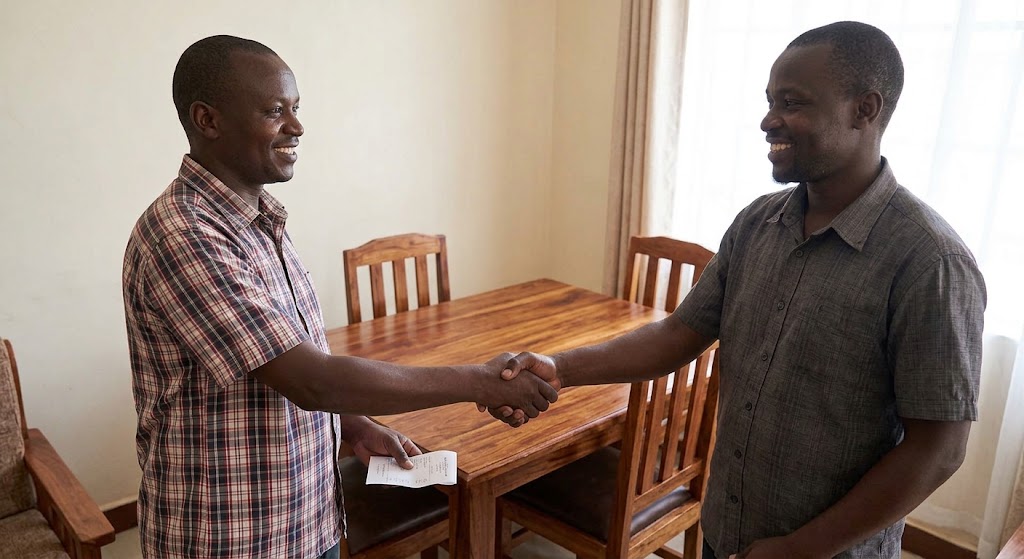
Inspect legs, support rails, and lower panels with a phone torch light. Tiny round exit holes measuring one to two millimetres wide show adult beetles chewed through the surface to escape.
Tap the wood around these holes to check for active pests inside. Light taps push out frass, which is fine wood dust left behind by larvae.
Fresh, light-coloured dust under an exit hole confirms live insects inside the frame. An infested table spreads pests to other wooden structures in the home, which creates expensive extermination and replacement costs.