Advertisement
The rise of upcycled furniture in Kenyan homes
05th May, 2026 12:07 PM
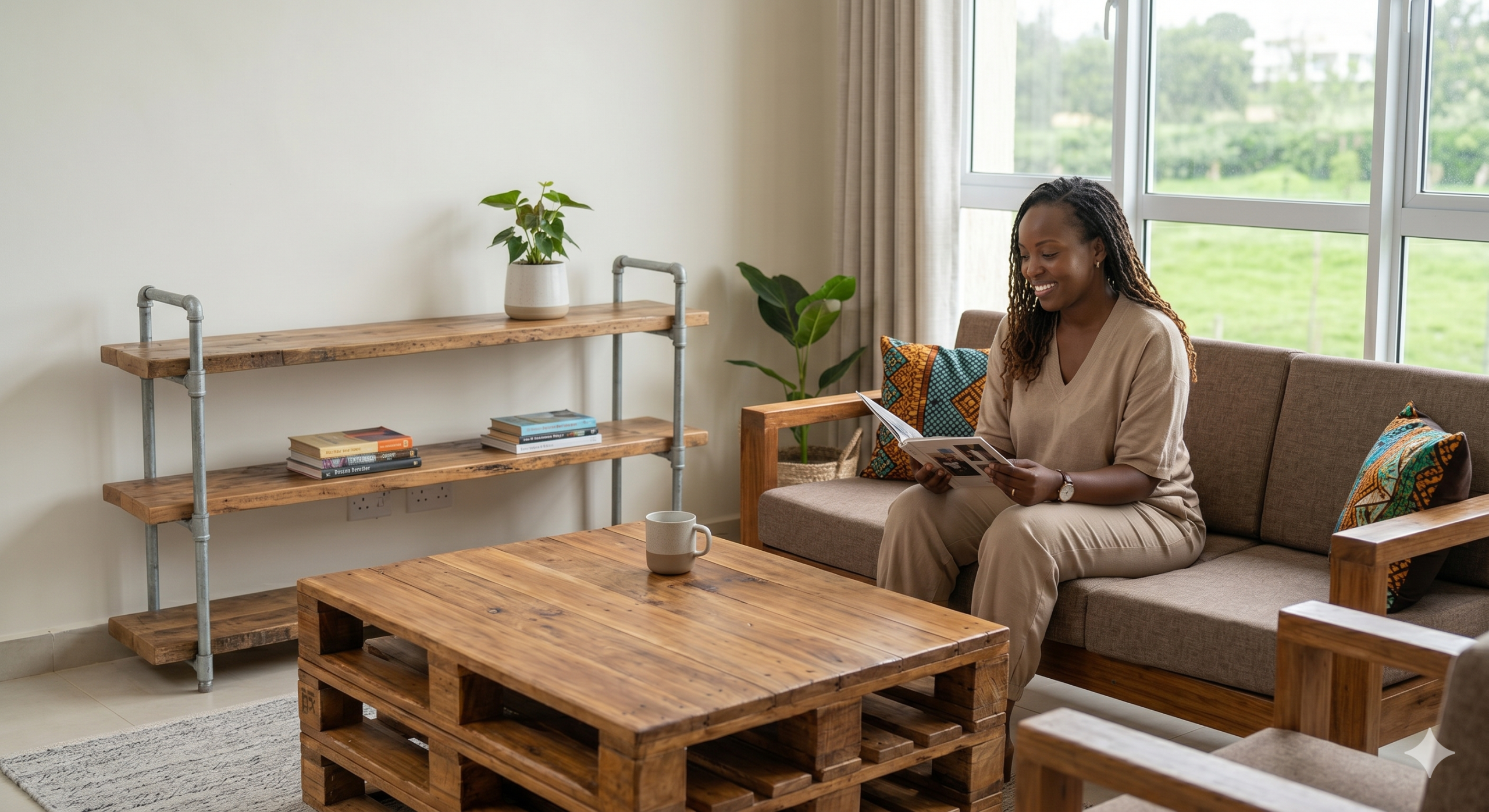
Kenyan homeowners are changing how they furnish their spaces, moving away from imported flat-pack pieces and towards furniture made from reclaimed wood, metal, and other reused materials.
What was once seen as a budget alternative is now finding space in middle and upper-income homes, where buyers are paying attention to how items are made and what they represent.
According to the National Environment Management Authority (NEMA), upcycling involves turning waste materials into new products of higher value or quality.
That thinking is now visible in Kenyan living rooms, where coffee tables made from old timber, shelves from industrial scrap, beds made of wooden palettes, and repurposed décor pieces are replacing standard MDF (Medium Density Fiberboard) furniture.
A move towards character and durability
Part of the appeal lies in the uniqueness of each piece.
Unlike factory-made furniture, upcycled items often carry visible marks of their previous life, from grain patterns in reclaimed wood to slight imperfections that signal handcraft rather than mass production.
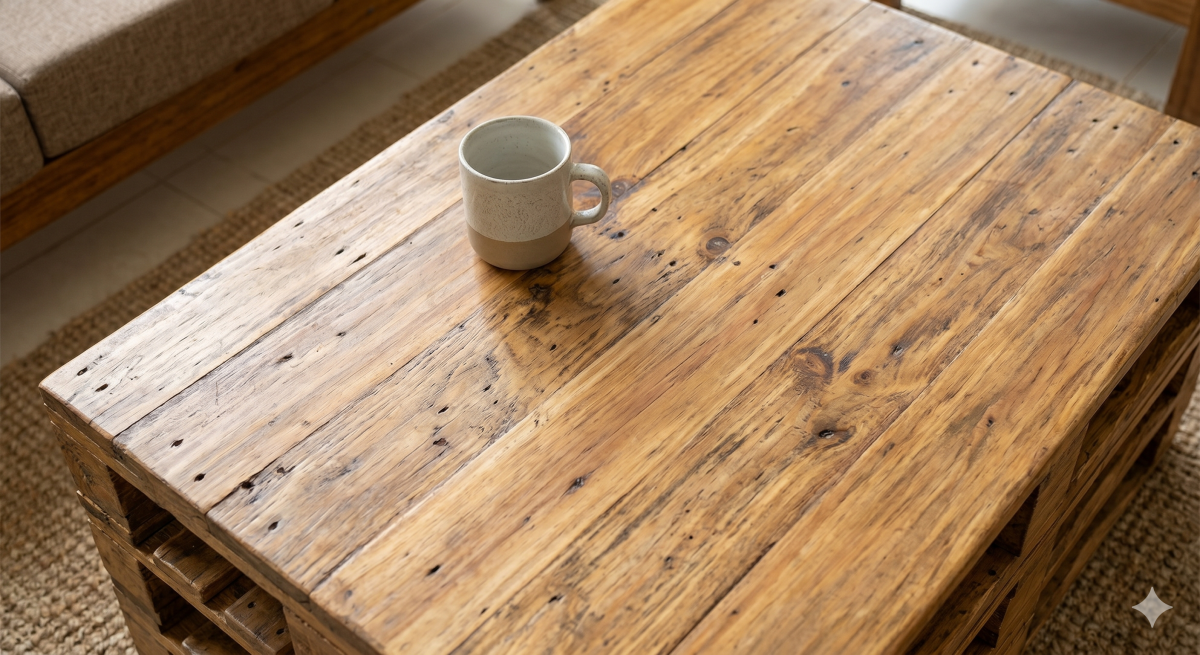
Research supports this preference.
A peer-reviewed study published in the journal Sustainability found that consumer perceptions of value play a key role in the decision to buy upcycled products, particularly when it comes to how the product looks and functions.
Aesthetic and functional quality are among the most important factors for buyers. The research states that “aesthetic and functional quality are highly valued,” pointing to a shift from purely price-driven decisions to more considered purchases.
In practical terms, this means buyers are not just looking for something affordable or convenient. They are instead choosing pieces that feel distinct and long-lasting, even if that means spending more upfront.
Sustainability shapes buying choices
Environmental awareness is also influencing the trend. Kenya’s waste management policies increasingly emphasise reducing landfill use and promoting the reuse of materials. NEMA has been encouraging the adoption of circular economy practices across industries, including furniture and design.
Globally, studies have shown that upcycling reduces the need for raw materials and lowers energy use in production. This adds another layer of value for buyers who are becoming more conscious of how their consumption affects the environment.
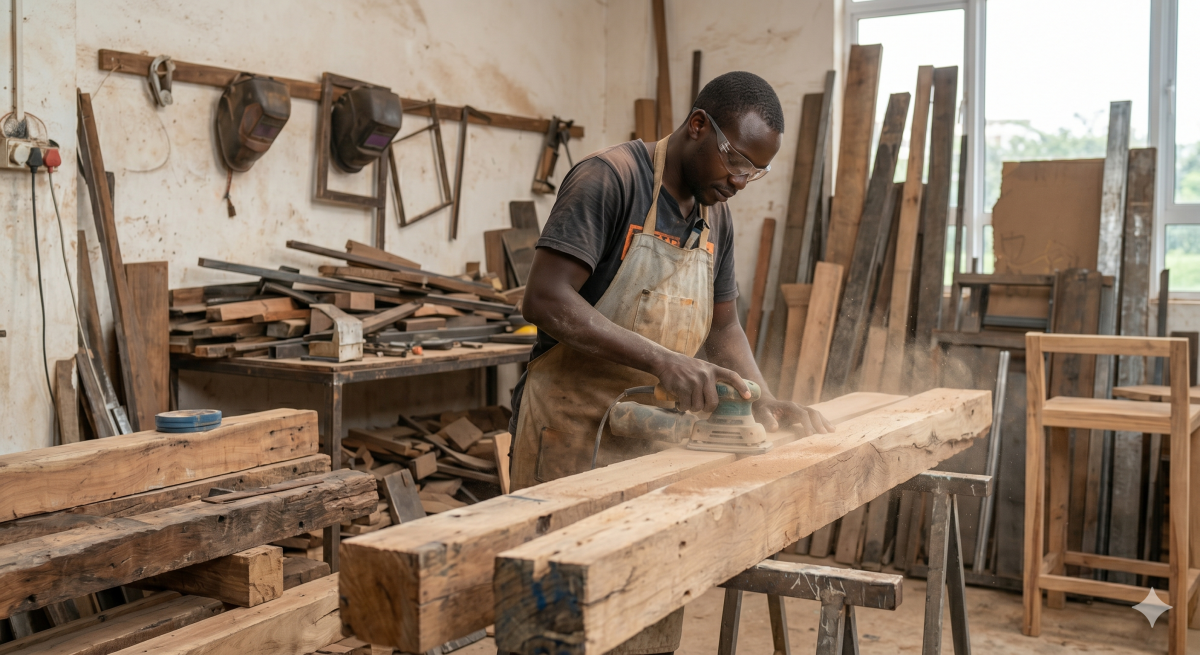
In Kenya, where the furniture industry has traditionally relied on wood and imports, this shift also supports local artisans and small-scale manufacturers. It creates demand for craftsmanship and skills that might otherwise be overlooked in a market dominated by ready-made imports.
As more homeowners look to personalise their spaces, upcycled furniture is becoming less about necessity and more about choice. It offers a balance between function, waste reduction and identity, giving buyers a way to furnish their homes while reflecting changing values.