Advertisement
Health signals hidden behind cracked heels and how to prevent them
15th May, 2026 12:30 PM
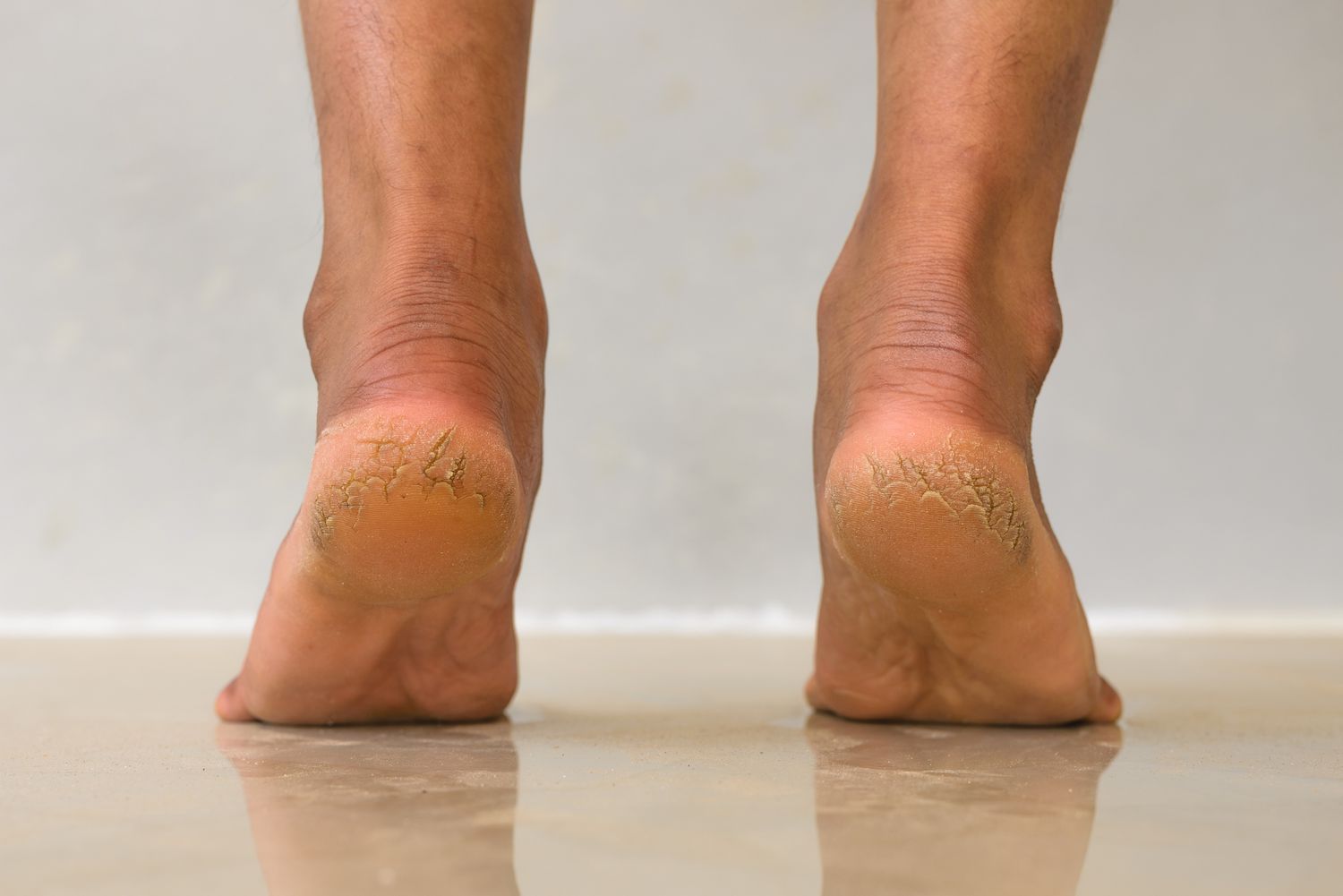
Cracked heels are often treated as a minor inconvenience, something to fix with a bit of lotion, or ignored until they become painful. But in many cases, they can quietly point to deeper issues in the body, from hydration levels to nutritional gaps and even underlying health conditions.
According to the Mayo Clinic, persistent dry skin on the feet is not always just a weather problem, but can be linked to lifestyle habits and overall skin health
What your cracked heels may be telling you
The skin on the heels carries a lot of body weight and pressure every day. When it loses moisture, it becomes stiff and eventually starts to crack. One of the most common reasons is dehydration. When the body does not get enough water, skin becomes less elastic and slower to repair itself.
The World Health Organization noted that proper hydration is essential in maintaining healthy skin function and preventing dryness-related complications.
In other cases, cracked heels may be linked to nutritional deficiencies. Low levels of vitamins A, C, and E, as well as zinc, can weaken the skin’s ability to repair and renew itself. Conditions such as diabetes or thyroid imbalance may also contribute to persistent dryness due to reduced circulation and slower healing processes.
Everyday habits that make it worse
Small daily habits can make cracked heels worse without being noticed. Long hot showers may feel relaxing, but they strip the skin of natural oils, leaving it dry and vulnerable. Harsh soaps and skipping moisturiser after bathing also reduce the skin’s ability to retain moisture.

Standing for long hours or wearing open-backed shoes can also increase pressure on the heel. Over time, this constant strain thickens the skin, making it less flexible and more likely to split. Repeated pressure combined with dryness is one of the leading causes of deep heel cracks.
What to eat and how to heal from within
Healing cracked heels is not only about what is applied on the surface but also what is eaten. Healthy fats from foods like avocados, nuts, seeds, and oily fish help maintain skin elasticity and moisture balance.
Fruits and vegetables rich in vitamins A and C, such as carrots, mangoes, oranges, and spinach, support collagen production, which is essential for skin repair. Zinc-rich foods like beans, lentils, and whole grains also help the body heal damaged skin faster. The Mayo Clinic also emphasizes the role of nutrition in skin recovery, especially when dryness is linked to deficiencies or poor diet patterns.

Drinking enough water throughout the day remains one of the simplest ways to support skin health from within. When combined with regular moisturising using thick creams or petroleum jelly, the skin barrier can gradually recover.