Advertisement
Why you should never put ice or toothpaste on a fresh burn
01st August, 2026 09:24 AM
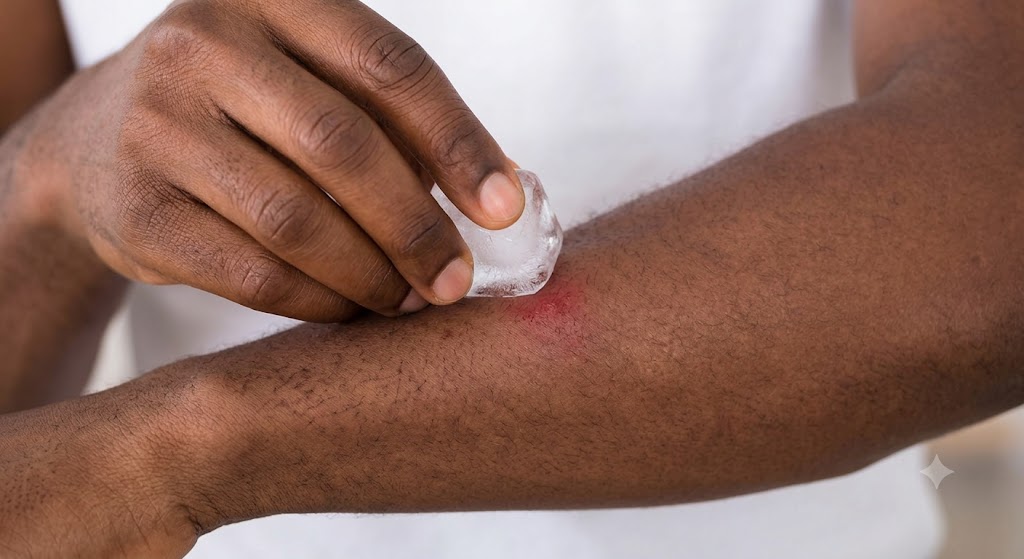
Kitchen burns happen in a flash, whether it is hot oil spitting from a frying pan or boiling tea spilling from a cup. In that moment of sharp pain, grabbing an ice cube or smearing any cool substance on the spot feels like instant common-sense relief.
However, emergency medical evidence shows that these popular quick fixes actually do the opposite of healing, turning minor skin injuries into deeper, far more serious wounds.
Why ice never works
Placing ice directly on a fresh burn is one of the most damaging mistakes in first aid. Extreme heat injures skin tissue, but extreme cold does not fix that damage.
Ice causes blood vessels to clamp shut instantly, shutting down normal blood circulation and cutting off oxygen to cells that are already struggling.
Medical experts explicitly warn against this. According to research published in Military Medical Research, “ice cubes, which have a lower temperature, can cause vasoconstriction of the wound blood vessels, leading to ischaemic necrosis… thus, they are not recommended for cooling burn wounds.”
In short, applying ice to a fresh burn kills skin tissue that could otherwise heal.
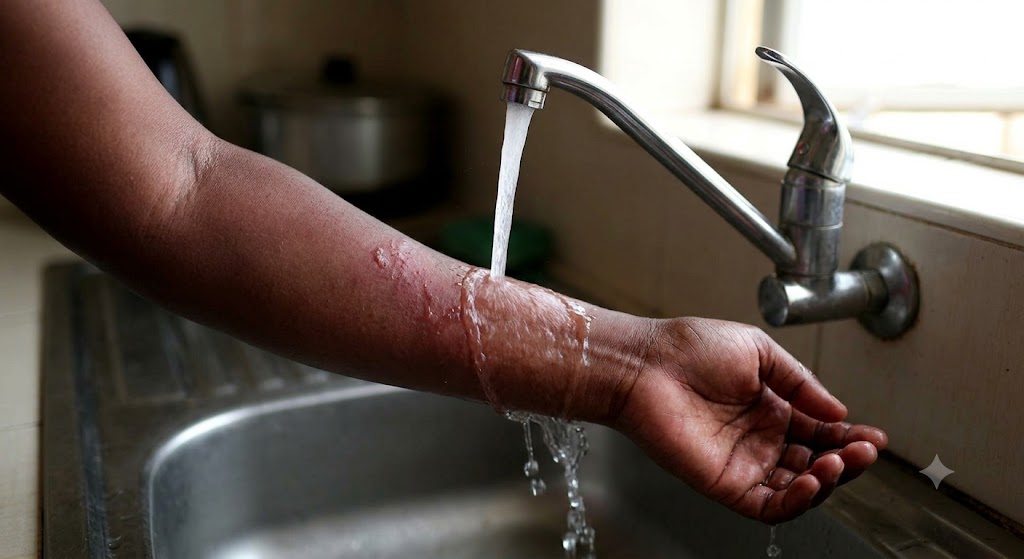
Instead of freezing the skin, the only proven remedy is simple running tap water. Letting cool water run over the burn for 20 minutes safely draws out trapped heat, calms the injury, and stops further tissue destruction.
Other common remedies that do more harm than good
Toothpaste is another household product that causes serious damage when applied to fresh burns. Mint paste acts like a tight seal over injured skin.
When smeared across a burn, it locks heat inside the tissue instead of letting it escape. That trapped heat pushes deeper into healthy skin, turning a minor surface burn into a serious deep-tissue injury.
Beyond trapping heat, toothpaste is not sterile. Smearing non-sterile pastes over broken skin introduces bacteria directly into open wounds.
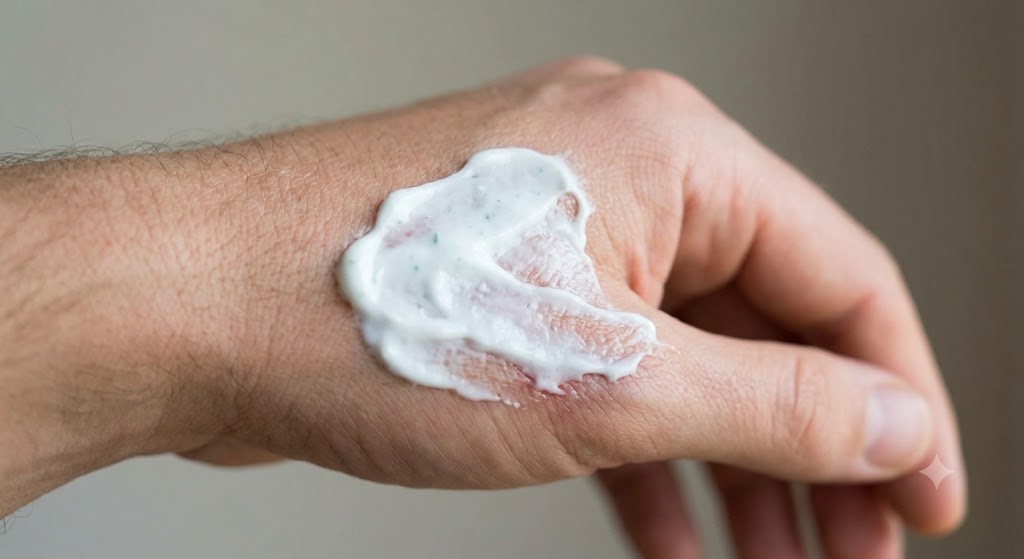
Research published in BMC Public Health highlights that using “toothpaste, mud, and other traditional remedies that are harmful, certainly aggravating the injury and creating a more favorable environment for infection, and at best, these remedies are of no benefit.”
When patients arrive at hospital casualty wards with dried paste on their skin, medical staff must scrub off the crusty layer before giving proper treatment. This scrubbing process causes intense pain and increases the risk of severe infection.
For safe first aid, avoid ice, toothpaste, butter, and oils. Place the burn under cool running tap water for 20 minutes, cover it loosely with a clean cloth, and visit the nearest health facility for medical care.