Advertisement
Fire first aid: How to safely treat burn victims after rescue
28th May, 2026 05:25 PM
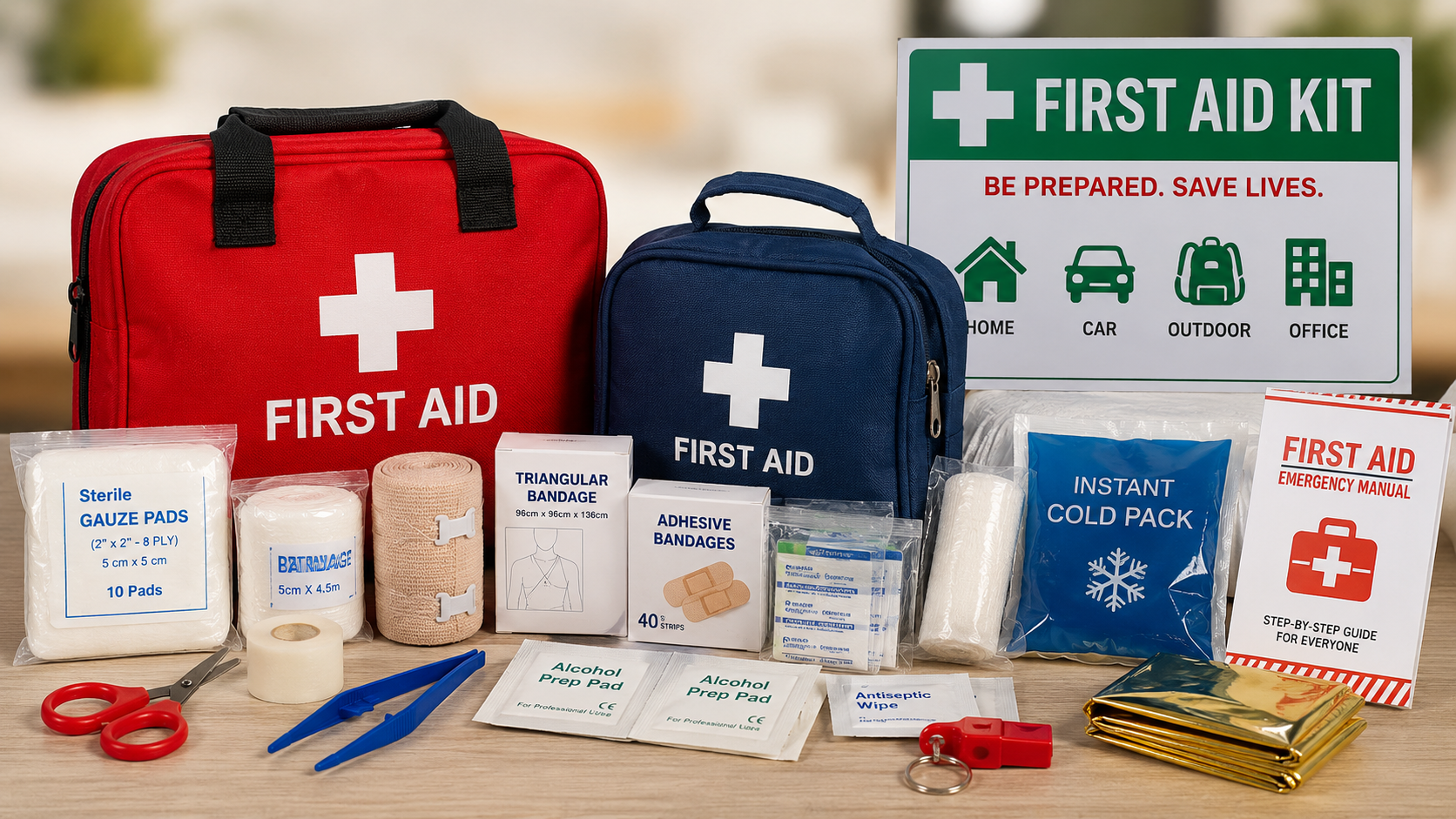
Fire first aid is the immediate emergency response given to victims after a fire accident and it plays a critical role in reducing deaths and long term disability.
Medical evidence from emergency burn care guidelines shows that the first minutes after rescue determine whether a victim survives complications such as airway blockage, severe burns, shock and smoke inhalation injury.
Correct action taken immediately can stabilise a patient before hospital treatment and significantly improve recovery outcomes.
This guide explains fire first aid steps after rescuing victims from a fire scene, focusing on burn treatment, smoke inhalation care and emergency response procedures based on recognised emergency medical standards, including Red Cross and global burn care protocols.

Fire scene safety
Before approaching any fire victim, ensure safety at the scene to avoid secondary injuries to rescuers.
A fire may still be active, structures may be unstable and electrical hazards may still be present.
Once it is safe to approach, the victim should be checked for responsiveness and breathing.
If the person is unconscious but breathing, they should be carefully positioned in a recovery position to keep the airway open while monitoring continues.
If breathing has stopped and the rescuer is trained, cardiopulmonary resuscitation should begin immediately while emergency help is contacted.
Smoke inhalation symptoms
Smoke inhalation is one of the leading causes of death in fire incidents and can occur even when burns appear minor.
It affects the lungs and airway and can rapidly become fatal.
Warning signs include difficulty breathing, coughing, soot around the mouth or nostrils, and a hoarse or weak voice.
In such cases, the victim should be moved immediately to fresh air, and tight clothing around the neck or chest should be loosened to ease breathing.
Food or drink should not be given if the victim is drowsy or unconscious because it increases the risk of choking.
If breathing worsens or stops, emergency resuscitation and urgent medical attention are required.
How to cool burns correctly
Burn treatment begins immediately after rescue, and the most effective method is cooling the affected area to stop further tissue damage.
Clean running cool water should be used on burns for about twenty minutes, where possible.
Ice, oils, toothpaste or butter should never be applied because they worsen skin damage and increase infection risk.
Any jewellery or tight items near the burned area should be removed early, before swelling begins.
If clothing is stuck to the skin, it should not be forcefully removed.
After cooling, the burn should be covered loosely with a clean cloth or sterile dressing to protect it from contamination.
Signs of shock in fire victims
Shock is a life-threatening condition that commonly follows severe burns due to fluid loss, trauma and intense pain.
A victim in shock may show pale or cold skin, confusion, dizziness, weak pulse and rapid breathing.
The victim should be laid flat in a safe position and kept warm using available clothing or blankets.
Eating and drinking should be avoided as they may complicate medical treatment.
Continuous observation is necessary until professional medical care is available because shock can worsen quickly and lead to organ failure if not managed early.
Hidden injuries and infection risks
Fire victims may sustain injuries that are not immediately visible, making thorough observation important after rescue.
These may include fractures from falls during escape, head injuries caused by collapsing structures and internal injuries linked to smoke poisoning.
Electrical burns may also occur when exposed wiring is involved. Even when burns appear small, underlying complications may be serious.
Infection remains a major risk in burn injuries and can delay healing or lead to severe complications.
Burns should be kept clean, covered with non-adhesive material, and blisters should not be intentionally broken.