Advertisement
Why mosquitoes bite some people more than others
10th July, 2026 02:14 PM

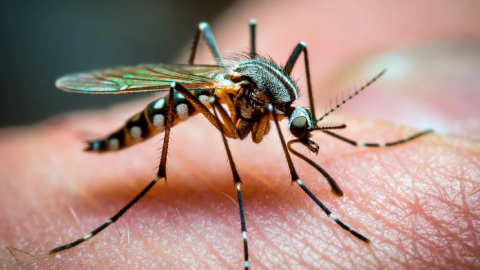
Only female mosquitoes bite humans.
They’re drawn to our blood for the protein it provides for their egg development. They use visual and olfactory cues (sight and smell) to identify their targets from around 10 metres (33ft). Among these are the plumes of carbon dioxide (CO2) that we expel in our breath and skin.
Human breath sends out a CO2 signal to mosquitoes, which activates “host-seeking behaviour” in their olfactory organs. Adult humans are thus more alluring than children as they produce more CO2.
But it means mosquitoes are drawn to non-human CO2 sources too, making dry ice and bottled CO2 useful tools for mosquito traps.
Body heat turns up the attraction
Studies show that mosquitoes are also drawn to heat and moisture (and that CO2 enhances this attraction to warmth).
Pregnant women are therefore twice as attractive to mosquitoes compared to non-pregnant women. This is because pregnancy increases metabolic demand and breathing volume, which results in greater heat and CO2 being exhaled.
“You’ve got a little furnace inside you; you’re hotter,” says Steve Lindsay, a professor of public health entomology at Durham University in the UK.
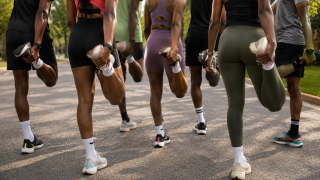
People who are exercising may be temporarily more attractive to mosquitoes, especially during and just after exertion, due to the increased metabolic demand, which increases CO2 production and leaves them warmer and sweatier. Larger-bodied people, who typically produce more heat and exhale more CO2, may also attract mosquitoes.
Skin gives off a smell of success
As mosquitoes close in (and are less than 10m or 33ft away), they identify victims via a cascade of cues, including skin and breath odours.
“It’s smell, essentially,” says Lindsay, that determines who a mosquito bites. “Small, highly volatile chemicals make the difference. Mosquitoes live in a chemical world.”
Together with other scientists, Lindsay has debunked the myth that people with “sweet blood” are more prone to being bitten and found instead that mosquitoes are drawn to our unique “skin scent”. The skin microbiome can break down carbohydrates, fatty acids, and peptides on the skin into volatile organic compounds (VOCs), which easily evaporate into the air and mosquitoes can differentiate. There are over 500 VOCs in our skin.
Mosquitoes are already attracted to ammonia and lactic acid on our skin, and the presence of the carboxylic acids makes this attraction even stronger.
Researchers at the Rockefeller University in the US analysed the skin odour of 64 people who wore nylon sleeves for six hours. The mosquitoes could choose between the nylon samples – which acted like a “scent collection device” – and revealed a clear preference for the scent of individuals with higher carboxylic acids.
The researchers computed an attractiveness score for each person and found that the highest score was 100 times higher than the lowest. These differences remained consistent for years, regardless of lifestyle changes. “Your relative attractiveness (to mosquitoes) is largely fixed,” says Lindsay.
Not all bites are equal
People can react in very different ways to mosquito bites. A genome-wide association study found a strong genetic link between our immune system’s genes and their influence on how our bodies react to mosquito bites. Interestingly, those genetic regions also overlapped with those associated with allergies.
Additionally, a predisposition to bigger, more intense reactions to bites (size and itchiness) may drive your perception of being a mosquito magnet. “Some people think they’re bitten more because they react more,” Ferguson says. “Some people may get bitten often but barely react.”
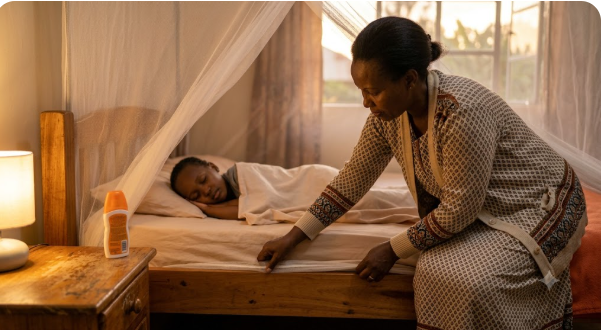
And while some of us may be a biologically easier target, no one is entirely safe from a mosquito’s radar. As Ferguson says: “Even if you believe you don’t get bitten, you should still protect yourself.”