Advertisement
Why cuts on your tongue heal much faster than skin wounds
25th July, 2026 01:19 PM
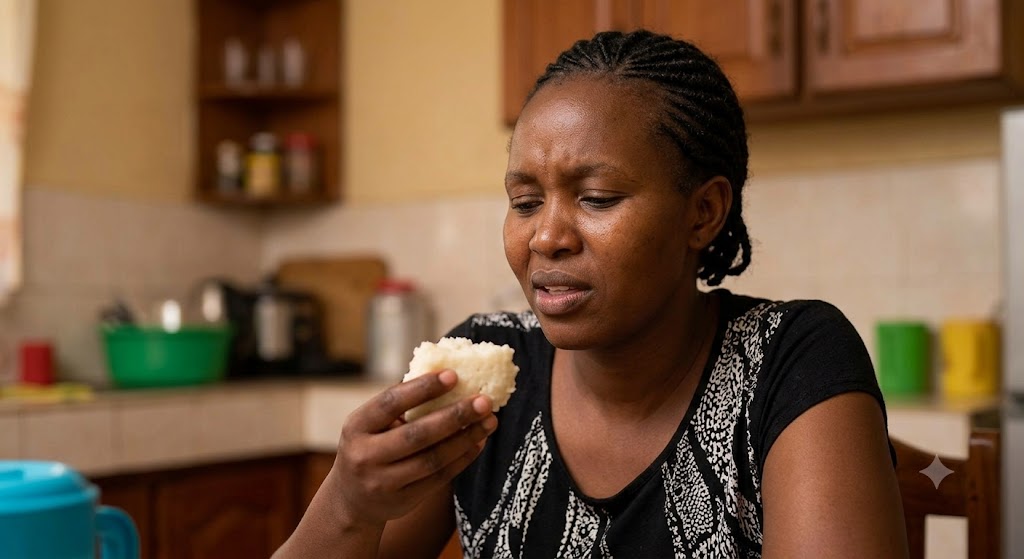
Everyone has accidentally bitten their tongue while enjoying a meal. It hurts instantly, but within two or three days, the pain is gone, and the cut has completely vanished.
On the other hand, a small scratch on your hand can easily take a week or more to clear up. The human mouth is built to fix itself at high speed.
This quick recovery comes down to high blood flow, constant moisture, and special healing proteins in your spit.
Blood flow and the power of saliva
Unlike your outer skin, which dries out and forms a hard scab, oral tissues stay wet all the time. Moisture keeps new cells healthy so they can move across the injury and seal it without delay.
Saliva is also much more than just a liquid for chewing food. It carries histatins, which are specialised proteins that tell cells to rebuild damaged tissue fast. It also contains growth factors that protect the wound and encourage new cell growth.
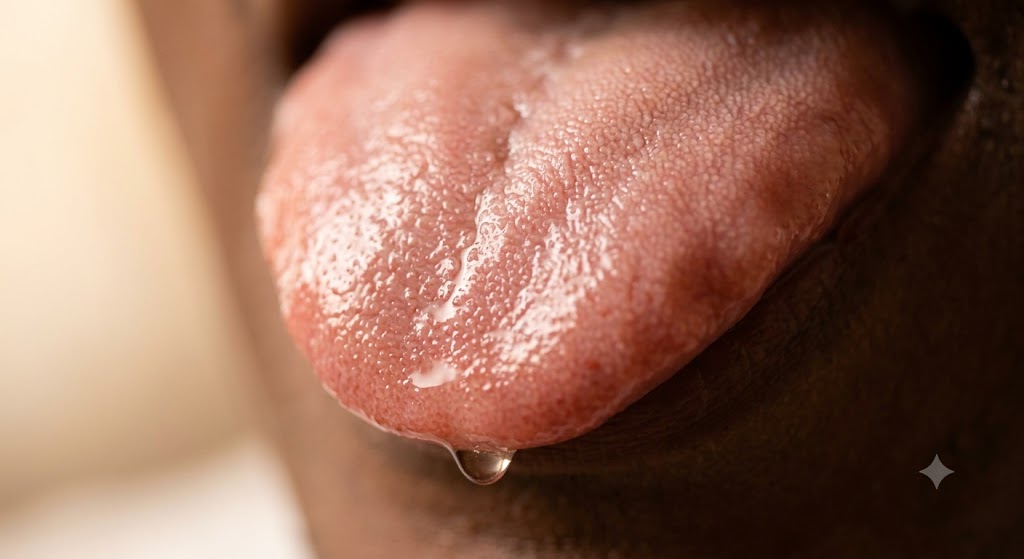
The tongue and inner cheeks also have a dense network of tiny blood vessels. Blood carries oxygen, white blood cells, and nutrients straight to the damaged spot instantly.
Because of this non-stop delivery system, surface cells in the mouth divide and cover wounds far quicker than skin cells on your arm or leg.
Less swelling and better cell repair
Scientists studying body tissue repair have confirmed that the inside of the mouth heals much faster than normal skin.
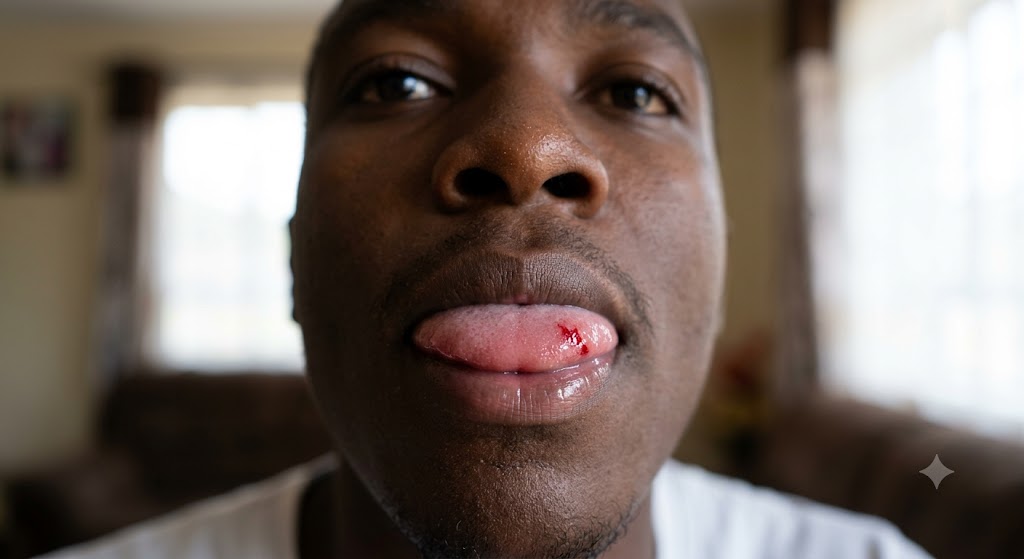
A study published in the journal Biomolecules notes that “faster wound closure, the presence of saliva, a more rapid immune response, and increased extracellular matrix remodeling all contribute to the superior wound healing and reduced scar formation in oral mucosa, compared to skin.”
How the mouth handles swelling makes a big difference too. When skin gets cut, long-lasting inflammation creates a stiff scab and often leaves a mark.
Mouth tissue calms down inflammation much quicker. Cells rebuild smooth tissue without forming thick scars. While deep cuts or painful ulcers that refuse to heal still need a doctor’s attention, a standard tongue bite clears up rapidly thanks to these built-in body defences.