Advertisement
What happens to your body when you stop taking sugar?
08th September, 2026 05:29 PM
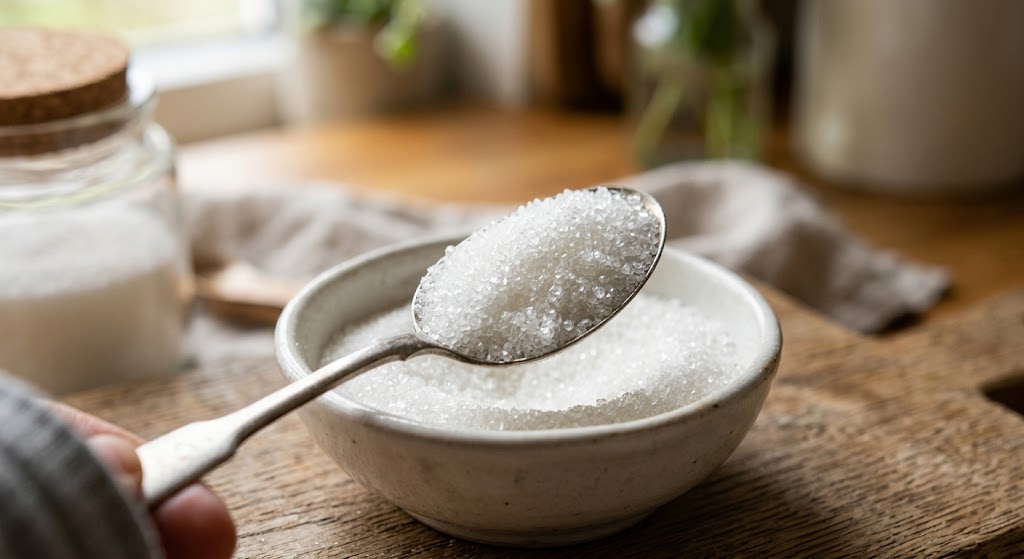
Sugar is found in many of the foods and drinks people consume every day, from tea and coffee to soft drinks, biscuits, sweets, cakes and flavoured yoghurt.
While the body needs glucose for energy, eating too much added or free sugar can contribute to excessive calorie intake, weight gain and tooth decay.
Health experts therefore recommend limiting the amount of free sugar in the diet.
But what happens when you significantly reduce your sugar intake?
- You may experience fewer sugar cravings
When you regularly consume sugary foods and drinks, you may become accustomed to their sweet taste. Cutting back can initially make you crave them more, particularly if they have been a regular part of your diet.
Over time, however, reducing sugary foods and drinks can make it easier to choose less-sweet options.
This does not mean you need to completely eliminate sugar from your diet. Naturally occurring sugars in whole fruits, vegetables and milk are not considered free sugars and do not need to be avoided.

- Your calorie intake may fall
Many foods and drinks high in added sugar can provide a lot of calories without keeping you full for long. Examples include sugary soft drinks, sweets, cakes and biscuits.
Reducing these foods can therefore lower your overall calorie intake, particularly if you replace them with nutritious foods rather than simply switching to another high-calorie option. Eating too much sugar can contribute to weight gain because of the additional calories it provides.
- Your blood sugar may be easier to manage
Cutting back on sugary drinks and foods can reduce large amounts of rapidly absorbed sugar entering the diet. This can be particularly important for people who need to manage their blood glucose levels.
However, reducing sugar is not a treatment for diabetes. Anyone with diabetes or concerns about their blood sugar should follow advice from a healthcare professional.
- Your teeth may benefit
One of the clearest benefits of reducing free sugar is better dental health.
Frequent consumption of sugary foods and drinks increases the risk of tooth decay. Cutting down, particularly on sugary snacks and drinks between meals, can help reduce this risk.
- You may notice changes in your weight
If reducing sugar also reduces your overall calorie intake, you may lose weight over time. However, simply removing sugar does not automatically lead to weight loss.
What replaces the sugary foods matters. A person who stops drinking soda but replaces it with other high-calorie foods may not see much change in their weight.
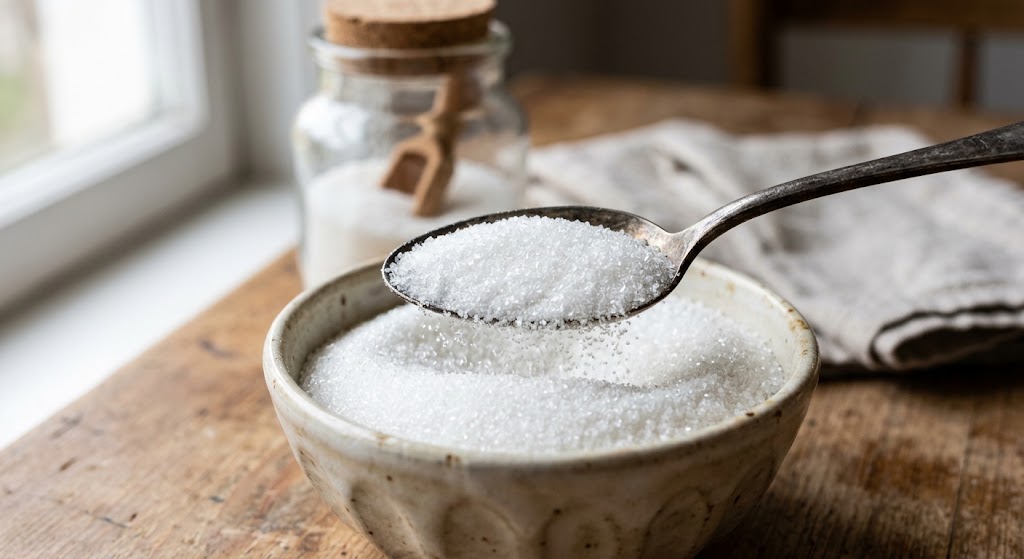
How much sugar is too much?
The World Health Organization recommends keeping free sugars below 10 per cent of total daily energy intake, with further reduction to five per cent or less providing additional health benefits.
For a healthier diet, start by reducing sugary drinks, limiting sweets and cakes, and checking food labels for added sugars.
You do not need to eliminate whole fruits or plain milk simply because they contain naturally occurring sugar.