Advertisement
What happens to your body when you sit cross-legged for too long
09th August, 2026 01:30 PM

Sitting cross-legged may feel natural and comfortable, especially when working, watching television, studying, or relaxing. For many people, it is simply a preferred sitting position. However, staying in the same position for a long time can affect the way the body moves and how pressure is distributed across the legs, hips, and lower back.
While briefly sitting cross-legged is generally not a cause for concern, remaining in the position for extended periods may leave the body feeling stiff, numb, or uncomfortable.
It can make your legs go numb
One of the most noticeable effects of sitting cross-legged for too long is the familiar pins-and-needles sensation.
When one leg rests over the other, pressure can be placed on nerves around the knee and lower leg. At the same time, keeping the joints bent in one position for a long period can temporarily affect normal nerve signalling and blood flow.
This is why a leg may feel heavy, tingly, or slightly numb when you finally uncross it. In most cases, the sensation disappears after moving the leg and allowing normal circulation and nerve function to return.
However, persistent or repeated numbness should not simply be blamed on sitting position and may require medical assessment.
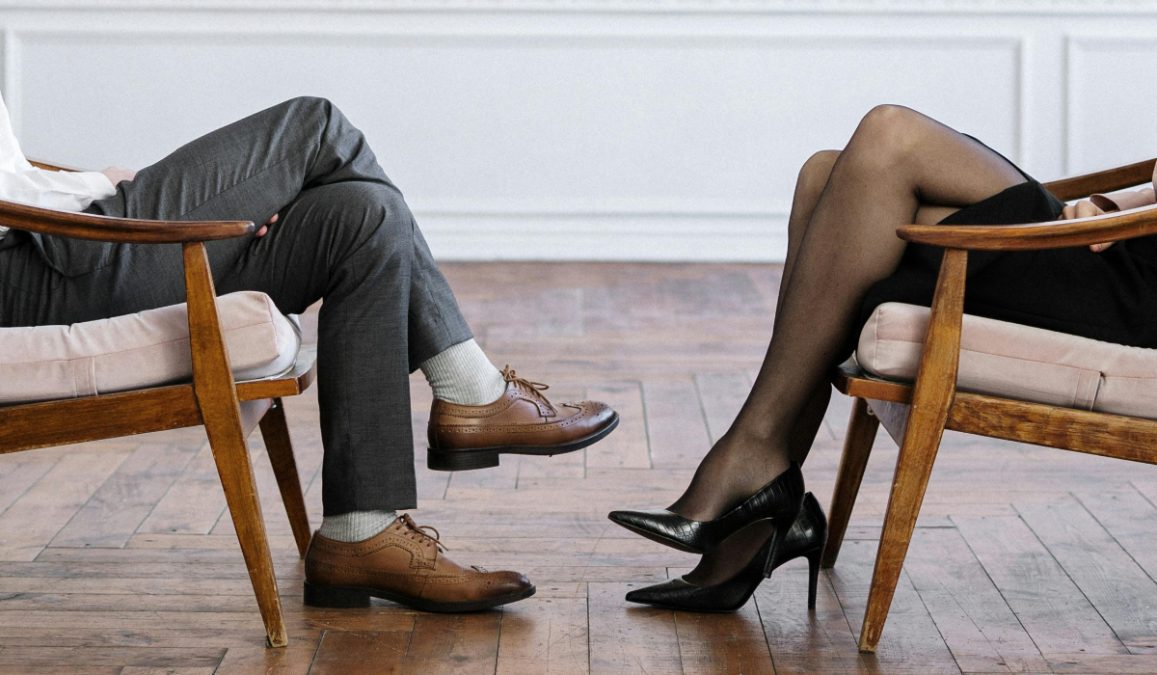
Your posture can also suffer
Crossing the legs often causes the pelvis and hips to sit unevenly. If the position is maintained for a long time, a person may begin leaning to one side without realising it.
This can place additional strain on muscles around the hips, pelvis and lower back. The result may be stiffness or discomfort, particularly after getting up.
According to the World Health Organization (WHO), musculoskeletal conditions are a major cause of pain and disability worldwide, with lower back pain being one of the leading causes of disability. While sitting cross-legged does not directly cause these conditions, remaining in poor or uncomfortable positions for long periods can contribute to muscle and joint discomfort.
Blood flow may be temporarily affected
Keeping the legs crossed for a prolonged period can put pressure on blood vessels around the knee and thigh. This may contribute to the temporary tingling or heaviness some people experience when they change position.
The bigger concern, however, is not simply crossing the legs but spending too much of the day sitting without moving.
According to WHO, sedentary behaviour includes prolonged periods of sitting, reclining or lying down while awake. Higher amounts of sedentary behaviour are associated with increased risks of several health problems, including cardiovascular disease and type 2 diabetes.
The problem is often staying still
For someone who spends several hours at a desk, the bigger issue may be remaining seated for too long rather than crossing the legs itself.
The body is designed to move. Standing up, walking around and changing position regularly can help prevent stiffness and reduce the strain associated with remaining in one posture.
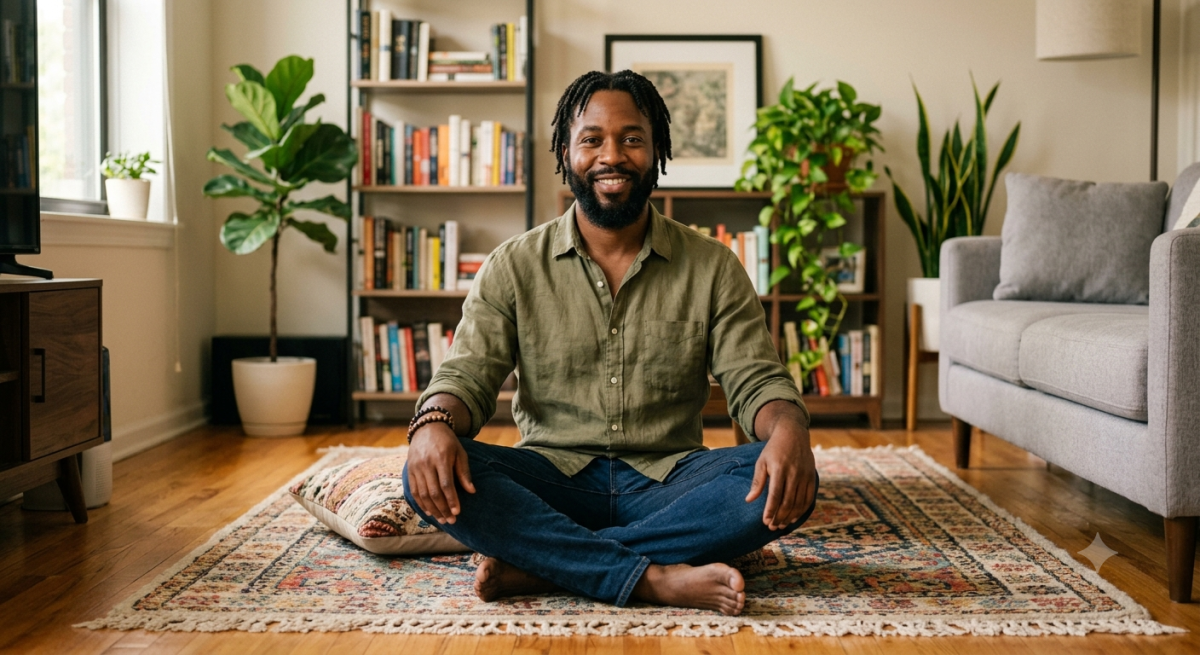
WHO recommends that adults get at least 150 minutes of moderate-intensity physical activity each week, while also limiting sedentary time where possible.
This does not mean a person must completely stop sitting cross-legged. Instead, it is better to avoid remaining in the same position for hours.
Changing position can make a difference
A simple way to reduce discomfort is to change sitting positions regularly. Both feet can be placed on the floor for some time before switching to another comfortable position.
Standing up to stretch, walking briefly or moving the legs can also help after a long period of sitting.
People who regularly experience severe pain, persistent numbness, weakness, swelling or changes in sensation should seek medical attention rather than assuming the symptoms are caused by sitting cross-legged.
Ultimately, crossing the legs is not automatically harmful. The concern comes when a comfortable position becomes a fixed position for too long. Giving the body opportunities to move throughout the day is a simple habit that can help keep the muscles, joints and circulation working normally.